
Lessons from the great fortresses of Europe — Part 10 — Stirling Castle: Sovereignty, signal, and the summit of power
TL; DR
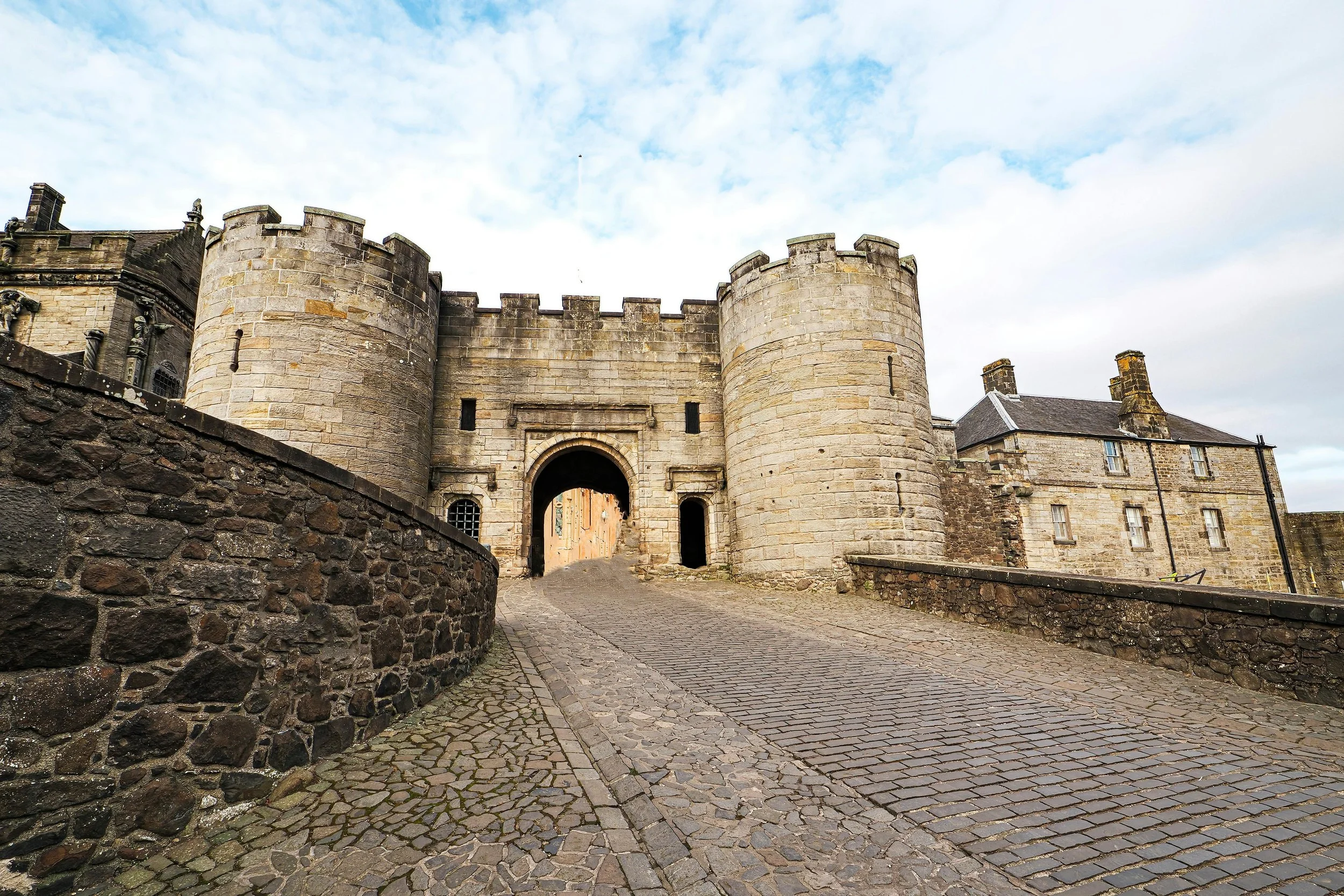
Rising from a volcanic crag at the geographic heart of Scotland, Stirling Castle commands the landscape with a presence few other fortresses can match.
Unlike regular castles built purely for defence, Stirling operates on multiple levels at once. It’s a military stronghold, a royal residence, an administrative centre, and a symbol of national legitimacy.
And across many muddy and hard-fought centuries, it has embodied location, adaptability, weapons scalability, perspective, predictability, and control as well as strategic choice, and above all, independence.
But Stirling is not simply a castle. It’s a fortified platform. In many ways, it synthesises everything we have explored so far across this ten-part journey through Europe’s great fortresses, standing as a living testament to integrated power, much like Apple does.
In innovation-business terms, it possesses the right “signals” tuned to the right frequencies that professional investors listen to. And in that way, it’s the ideal investment fortress to aspire to.
So, without further fanfare and screams of Freedooooooooooom — let’s dig in.
Origin — Stirling’s foundations and first use
Perched high above the River Forth, Stirling Castle’s earliest fortifications likely date to the late 11th or early 12th century, during the reign of Alexander I of Scotland or his successor David I of Scotland.
The volcanic rock itself had long held strategic value, and most likely served as a fortified site even before the medieval stone structures we recognise today. And that’s because taking the high ground has always been a compelling first move.
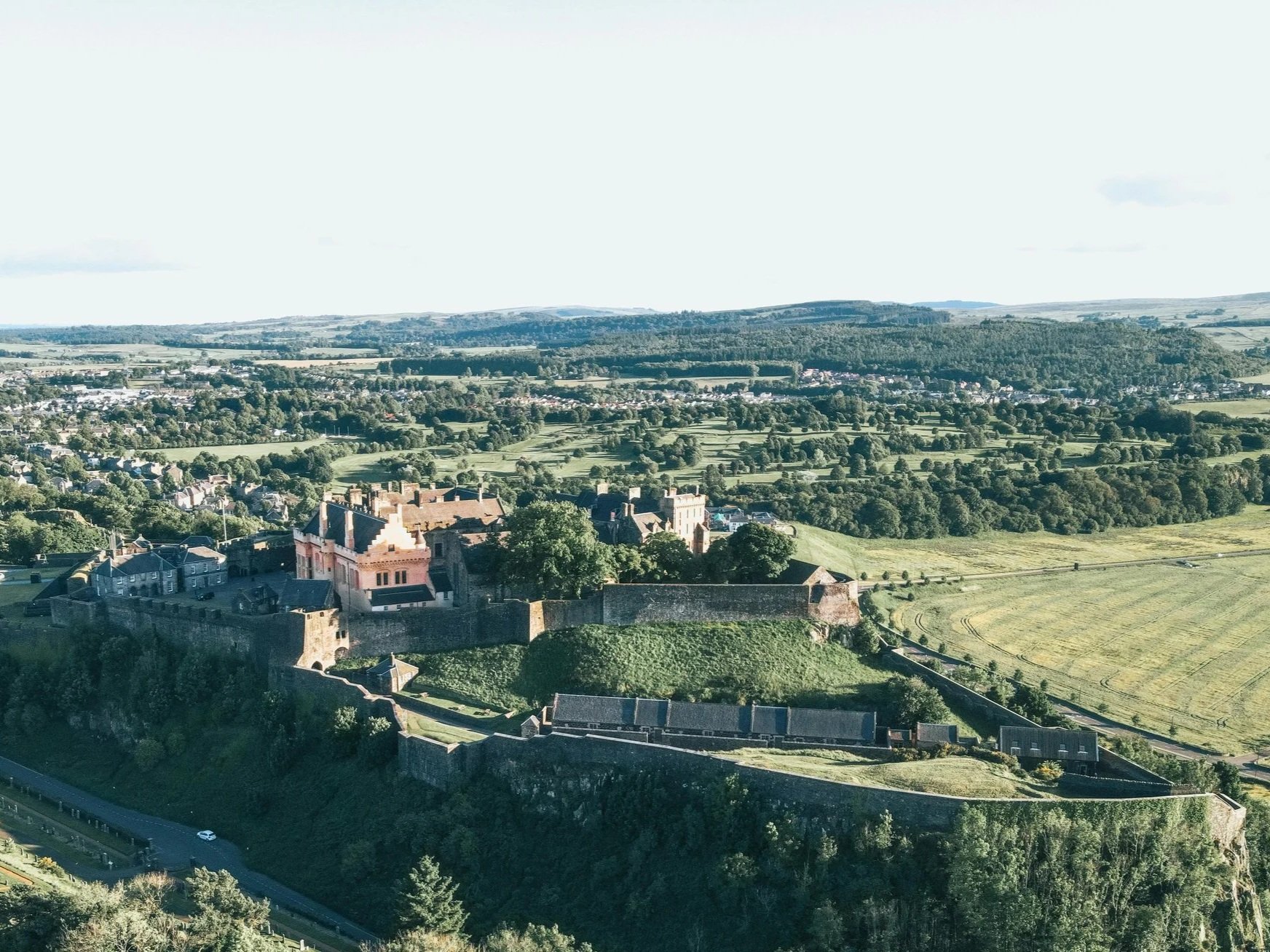
Like a battleship rising.
Stirling’s initial mandate was precise. It was to secure the lowest crossing point of the River Forth and control the narrow land corridor between the Scottish Highlands and Lowlands.
Much like Ehrenbreitstein Fortress that presides over the converging Rhine and Moselle rivers in Koblenz, and which we explored in Part 1 of this series, this was strategic infrastructure before the term existed.
It was the perfect position from which the crown in possession of it, English or Scottish, could monitor movement, enforce authority, and stabilise contested territory.
In some ways, Stirling can be seen as a merger of the Palais des Papes, explored in Part 7 of this series, and Fort Saint-André, which we visited in Part 8 — combining sovereign authority with elevated defensive oversight in a single structure.
From its inception, Stirling functioned as an instrument of statecraft: designed to command geography, deter resistance, and anchor whichever monarchy controlled it at Scotland’s decisive junction.
The hinge of a nation
For centuries, Stirling controlled the narrow land bridge between Highlands and Lowlands.
Armies moved through it. Trade routes flowed through it. Authority itself passed through it.
During the Wars of Scottish Independence, leaders like William Wallace and Robert the Bruce fought in its shadow, underscoring the fortress’s strategic significance.

View to the Wallace Monument. © pitchhawk, 2026. All rights reserved.
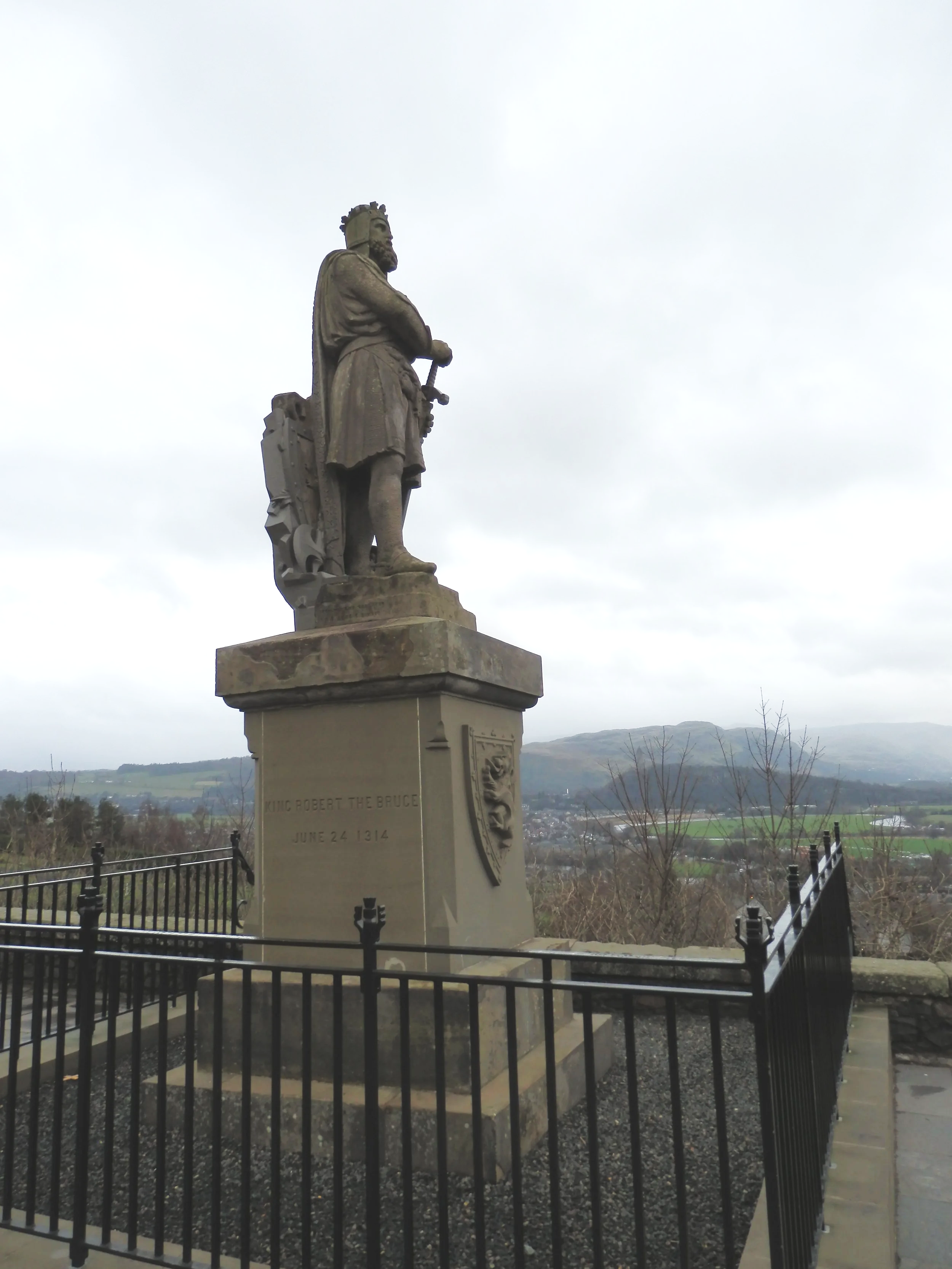
Robert the Bruce, Stirling Castle, Stirling, Scotland. © pitchhawk, 2026. All rights reserved.
To hold Stirling was to hold Scotland’s hinge point — leverage over logistics, taxation, troop movement, victory over the English, political legitimacy and sovereignty —freedom.
Its strategic importance was proven during the Wars of Scottish Independence.
The victory at Battle of Stirling Bridge in 1297, where William Wallace and Andrew Moray defeated a larger English force, demonstrated Stirling’s decisive strategic role. Control of the crossing over the River Forth, the main gateway between north and south, proved more important than raw numbers.
The battle confirmed that whoever controlled Stirling controlled movement, supply, and military momentum across Scotland.
By 1314, however, Stirling Castle was again in English hands. Its garrison, commanded by Philip de Mowbray, was under siege by Robert the Bruce. An agreement had been struck. If the castle was not relieved by midsummer, it would surrender to the Scots. That deadline forced the issue.
The resulting confrontation — the Battle of Bannockburn which occurred on 24 June 1314 — was not fought on the castle grounds themselves, but roughly two miles away.
There, the English army under Edward II advanced north to relieve the garrison. Bruce chose ground that neutralised English cavalry superiority and channelled the larger force into constrained terrain near the Bannock Burn.
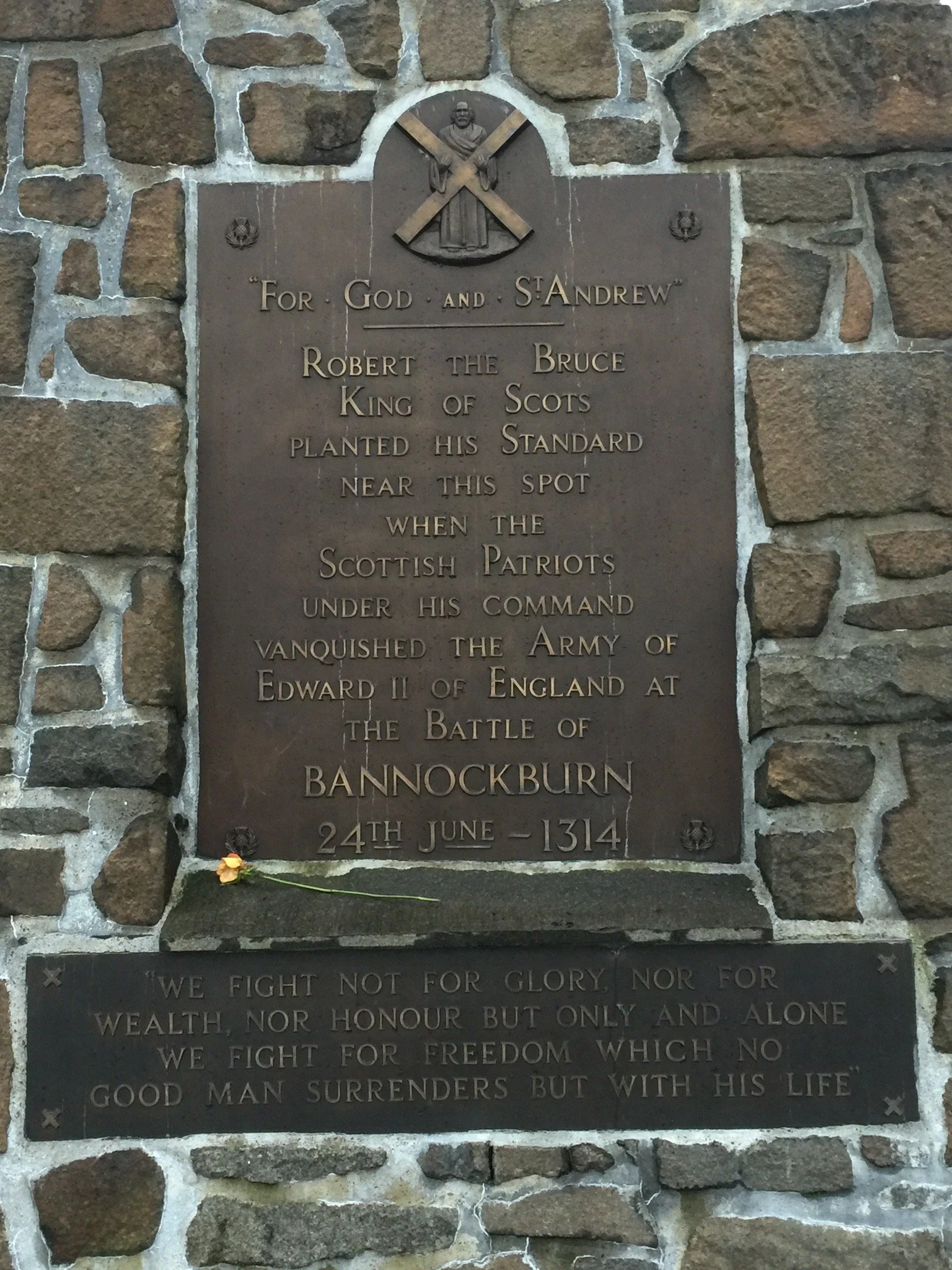
The Battle of Bannockburn. © pitchhawk, 2026. All rights reserved.
The Battle of Bannockburn spelled a decisive defeat for the English army. The failure to relieve Stirling meant the castle fell soon after, removing England’s principal military foothold in central Scotland.
Bruce’s subsequent control of Stirling consolidated Scottish resistance and strengthened his political legitimacy.
The long conflict ultimately culminated in the Treaty of Edinburgh-Northampton, which formally recognised Scotland’s sovereignty in 1328.
Unlike later fortress systems that relied on outlying satellites for early warning, Stirling’s advantage was inherent. From its summit, defenders could see in every direction. The terrain itself became the sensor, providing intelligence that guided decisions.
You see — to command the fortified high ground in the centre of the narrow land bridge between the Highlands and Lowlands, through which armies and trade routes flows, was to shape the course of a nation. And that is how powerful Stirling Castle was and why location and positioning are so important when you’re architecting your innovation business.
Then, as the centuries passed, Stirling adapted.
Medieval curtain walls were strengthened. Gun loops and artillery platforms were added.
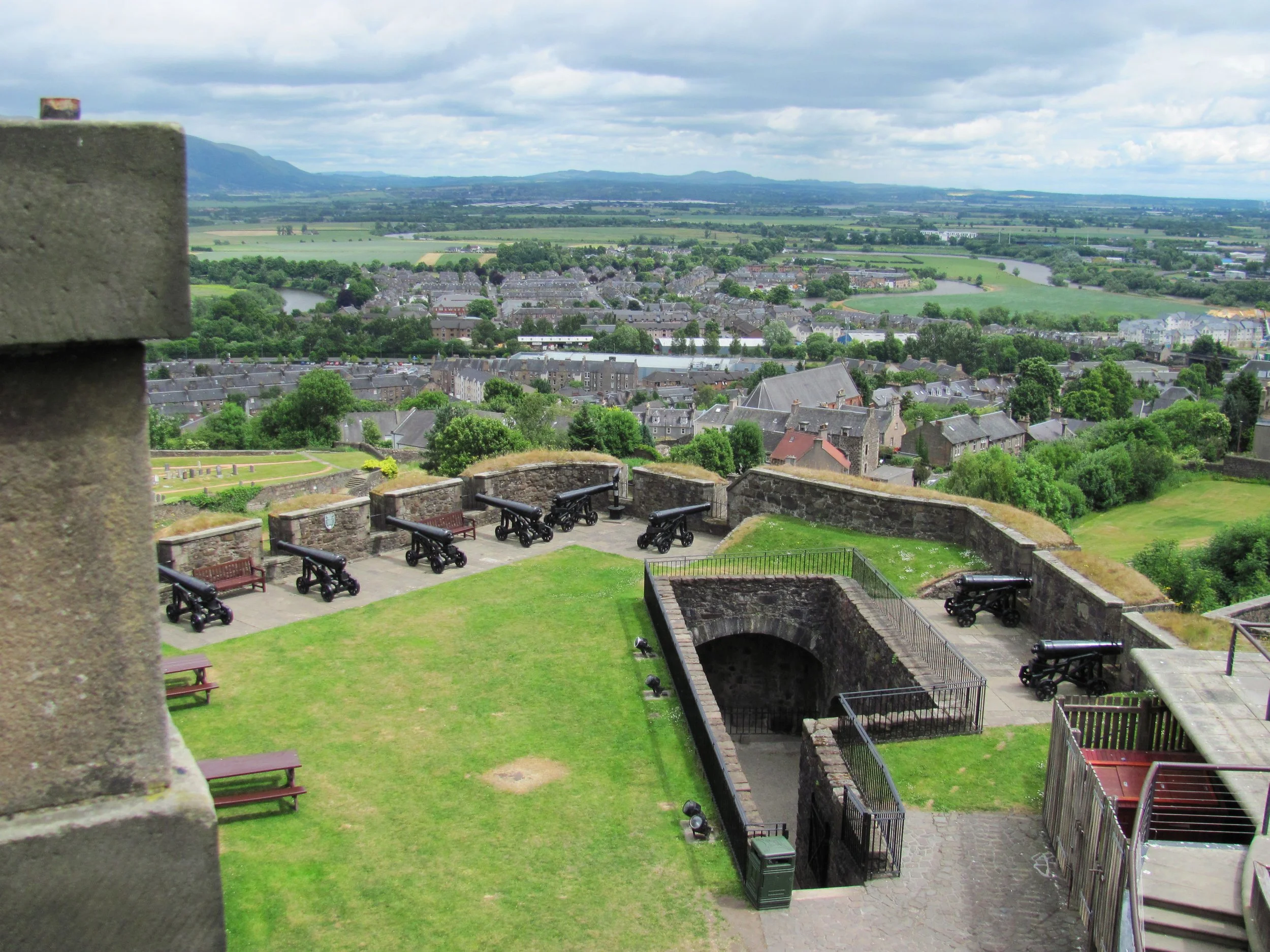
Steady! © pitchhawk, 2026. All rights reserved.
And even later, royal apartments expanded to reflect Renaissance ambition.
Yet, the castle did not resist change. It absorbed it, remaining relevant across eras of warfare and governance.
Authority made visible
Stirling’s influence extended beyond military function. It was a royal residence, a coronation site, and a stage on which sovereignty was performed.
Like the Palais des Papes in Avignon, it projected governance, power, and legitimacy, signalling who ruled rather than merely defending against challengers.
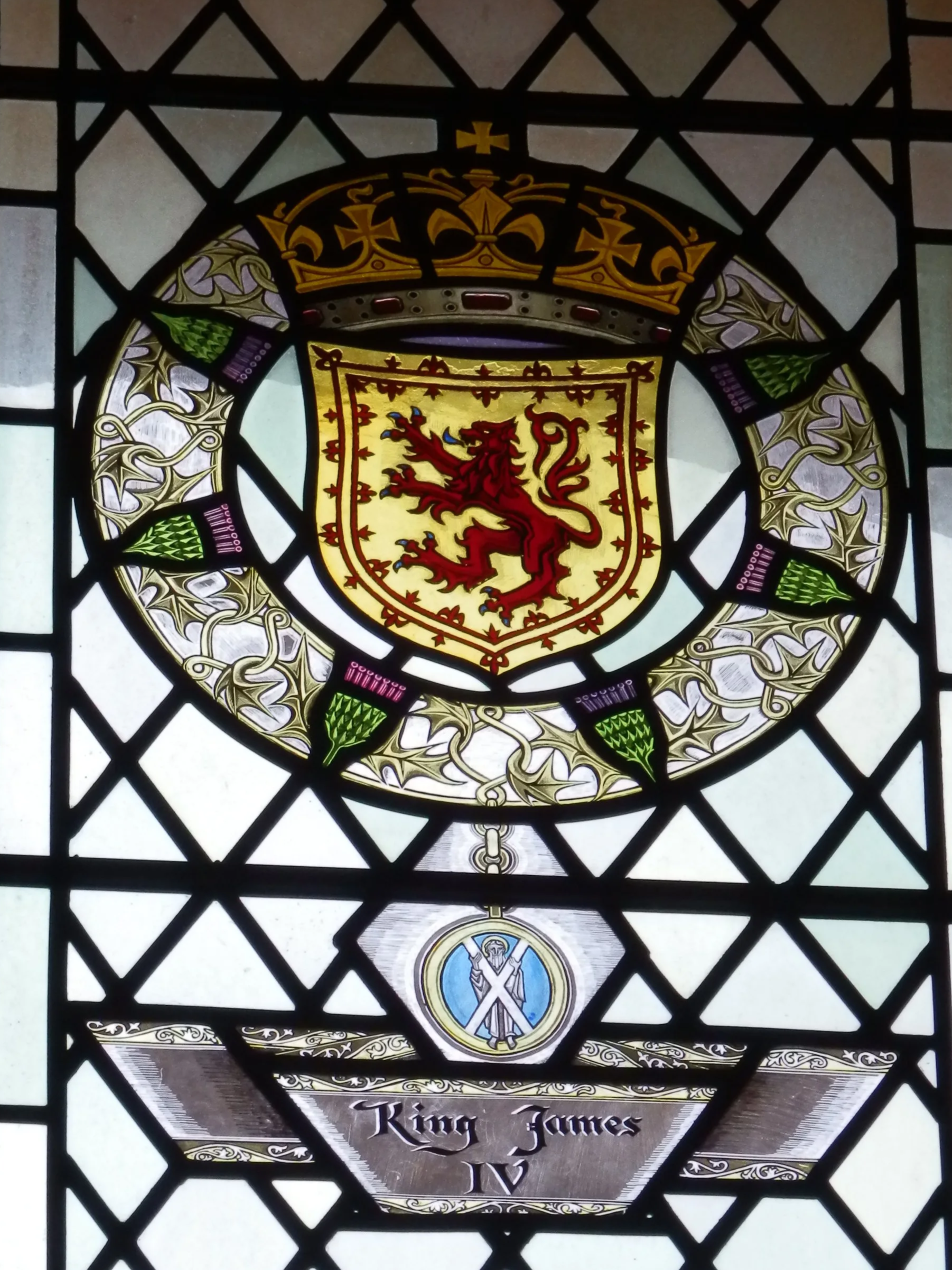
Commemorating Renaissance King James IV, 1488–1513. © pitchhawk, 2026. All rights reserved.
At the same time, it shares strategic DNA with Ehrenbreitstein Fortress — commanding elevation, overseeing movement corridors, and later adapting to artillery realities.
Yet Stirling predates modern fortress engineering. Its power rested in the fusion of terrain and governance: a natural stronghold enhanced by authority that shifted between the English and Scottish.
This integration distinguishes Stirling Castle from nearly every other European fortress.
Camelot?
Beyond its military and administrative role, Stirling carries a romantic and mystical resonance.
Its Great Hall, part of the Renaissance royal complex, was originally finished in golden-hued limewash. In certain light, the façade shimmered across the plains below, appearing almost luminous, a radiant crown atop the hill.
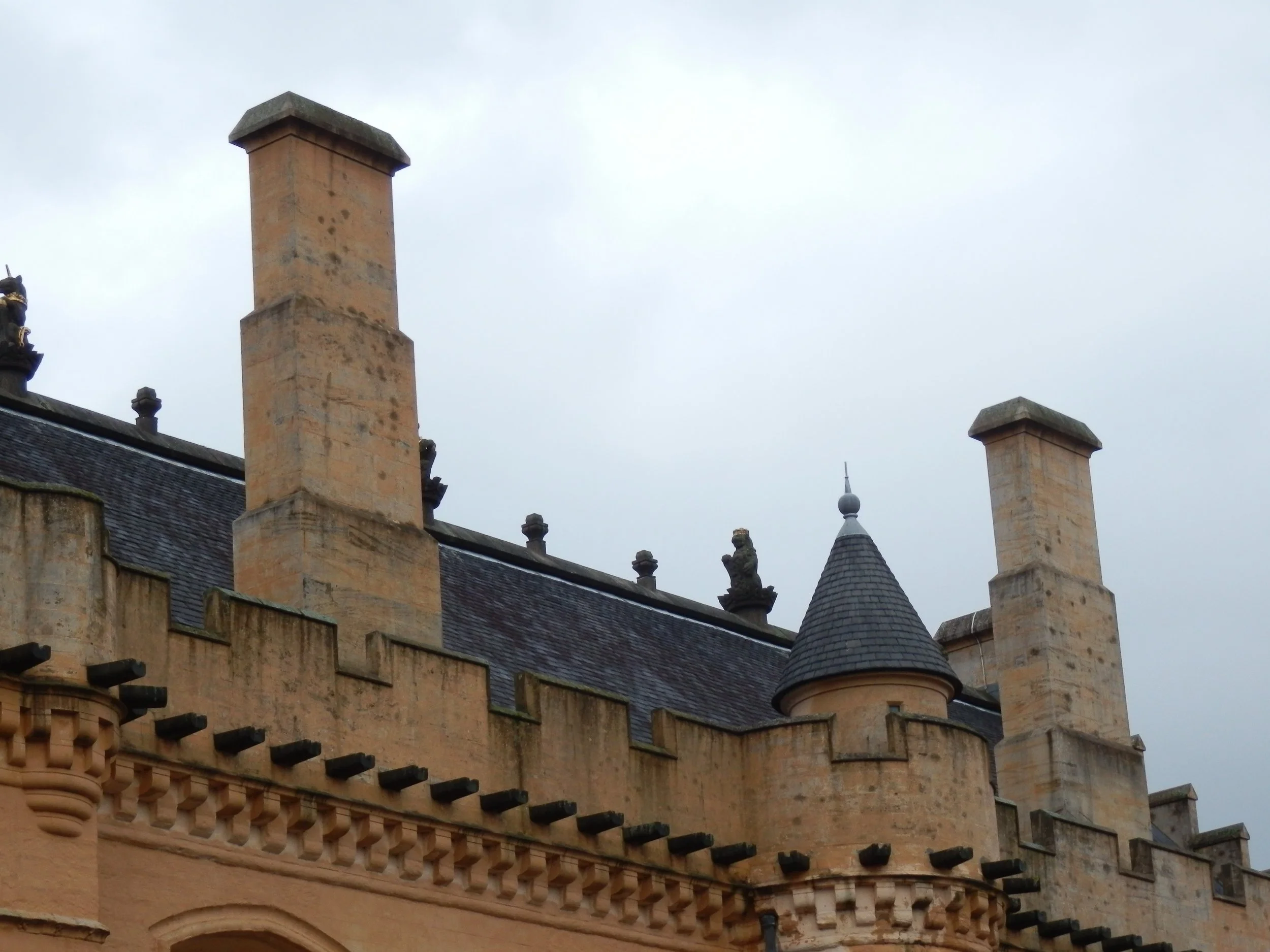
Camelot and the Arthur Legend. © pitchhawk, 2026. All rights reserved.
Legend suggests that in the right glow, Stirling resembled Camelot, the legendary court of King Arthur — a golden stronghold representing unity, authority, and higher purpose.
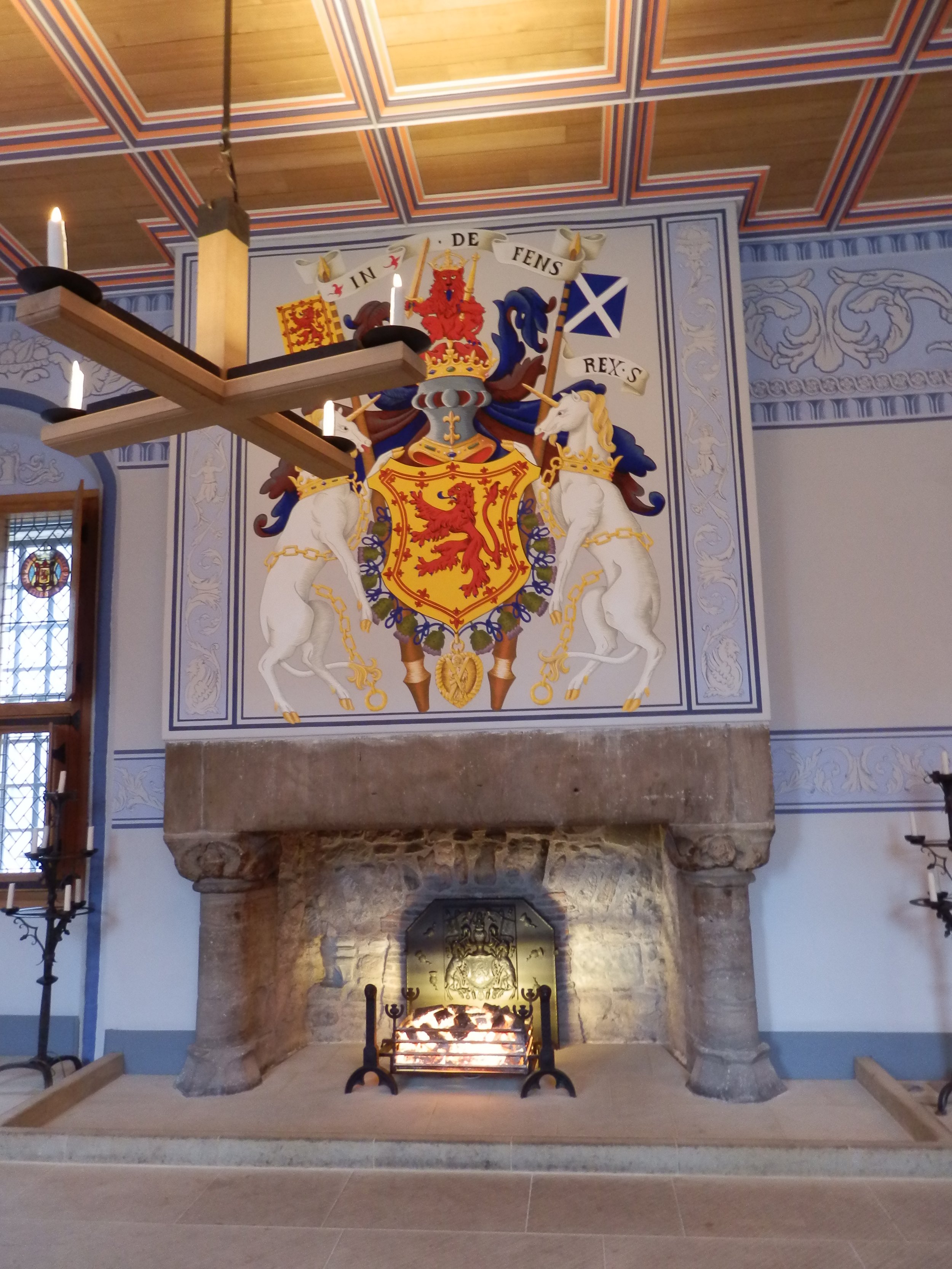
Inside the Great Hall. © pitchhawk, 2026. All rights reserved.
Whether myth or metaphor, the effect was deliberate.
Stirling communicated ambition and permanence. It not only defended, it inspired legend.
The architecture of powerful innovation — a Great fortresses of Europe synthesis
Across this series, Europe’s great fortresses reveal timeless and distinct approaches to domain and market dominance. And at the end of our travels, when considered together, the blueprints for what makes a “fortified innovation business” investable and attractive have magically materialised:
Dominance and scalability (Part 1 — Ehrenbreitstein Fortress, the Amazon of the Rhine) – designed for sustained protection of supply lines, enduring infrastructure, cannon warfare with layered ramparts and overlapping defensive fields.
Defensibility (Part 2 — Marksburg, Maus, Reichenstein, and Stahleck castles) each a Middle Rhine stronghold proving that intelligent positioning and layered design often beats brute force.
Commercial viability and attractive revenue model (Part 3 — Pfalzgrafenstein, Ehrenfels, and Mouse Tower) – dominance over waterways translating into leverage over commerce and movement.
Adaptability (Rheinfels and Katz, the Scylla and Charybdis of the Middle Rhine in Part 4 and Sterrenberg and Liebenstein, the Not so Hostile Brothers in Part 5) – each illustrating anchors of lineage, continuity, and institutional durability.
Location and strategy (Castles Marksburg, Maus, Gutenfels, Katz, Sooneck, Klopp, Schönburg, Rheinstein, Heimburg, Stolzenfels explored in Part 6) — each showing us that the higher ground with visibility in prominent locations on hills or cliffs above river bends and urban nodes, with multiple raised barriers, win.
Governance (Part 7 — Palais des Papes) – integrating authority, administration and defence within fortified city walls.
Predictability (Part 8 — Fort Saint-André) – monitoring approaches, safeguarding arteries.
Competency, identity and ecosystem (Part 9 — Castle Gordes, the Nvidia of the Luberon) — beautifully extending what Fort Saint-André was built for into regional influence, experience and an unassailable identity.
While most fortresses specialised, Stirling Castle synthesises all of these qualities.
Elevation, commerciality, integrated solutions, clear solution fit and channels, scalability, adaptability, long-range predictability, C&C, governance, sovereign authority, and symbolic power are all combined.
Stirling’s integrated approach or “tuned array of signals”, rather than relying on any one specific “signal”— is what allowed it to endure and hinge a kingdom.
In short, Stirling has it all. It truly is the ideal fortress and worthy of emulating in business.
Lessons from Stirling, the Apple of Europe
Visibility is power. Stirling’s panoramic vantage gave defenders early awareness and decision time. For founders, this translates to structured market intelligence. Understanding competitors, capital flows, regulatory shifts, and customer behaviour allows action before pressure escalates. Strategic awareness buys time, and time compounds advantage.
Sovereignty creates optionality. As both royal seat and fortress, Stirling enabled decision-making from a position of control. Founders should seek similar sovereignty, e.g., ownership of core IP, distribution channels, and customer relationships. Control expands choices whereas dependency narrows them.
Adaptability wins. Stirling endured because it evolved from medieval ramparts to artillery-ready defences and Renaissance residences. Markets changed as warfare changed. The lesson is not simply to innovate, but to integrate change into the structure of the organisation itself. With agentic AI, this becomes more achievable, reducing the need to reskill entire teams while integrating change into the organisation’s structure.
Signal strength matters. The golden Great Hall projected confidence, permanence and a healthy level of informed magic, much like Steve Jobs was able to achieve for Apple. Brand, culture, and strategic clarity perform the same function in business in the sense that they attract capital, talent, and partners before competitors even notice.
Integrated defensibility is key. Stirling’s durability came from layering: terrain, fortification, governance, and adaptation working together. In business, defensibility emerges from product depth, operational discipline, customer loyalty, and strategic alliances reinforcing one another.
Synthesis over specialisation. Other fortresses mastered single dimensions, for example: artillery, river control, urban governance. Stirling combined them all. Companies like Apple (AAPL) succeed not by dominating one category, but by integrating hardware, software, ecosystem, and brand into a unified system competitors struggle to replicate.
The strongest business is not the one with the highest walls, the loudest marketing, or the most advanced technology. It’s the one that understands its terrain, controls its vantage point and markets, evolves with changing conditions, and integrates its strengths into a cohesive whole, uniting under one flag.
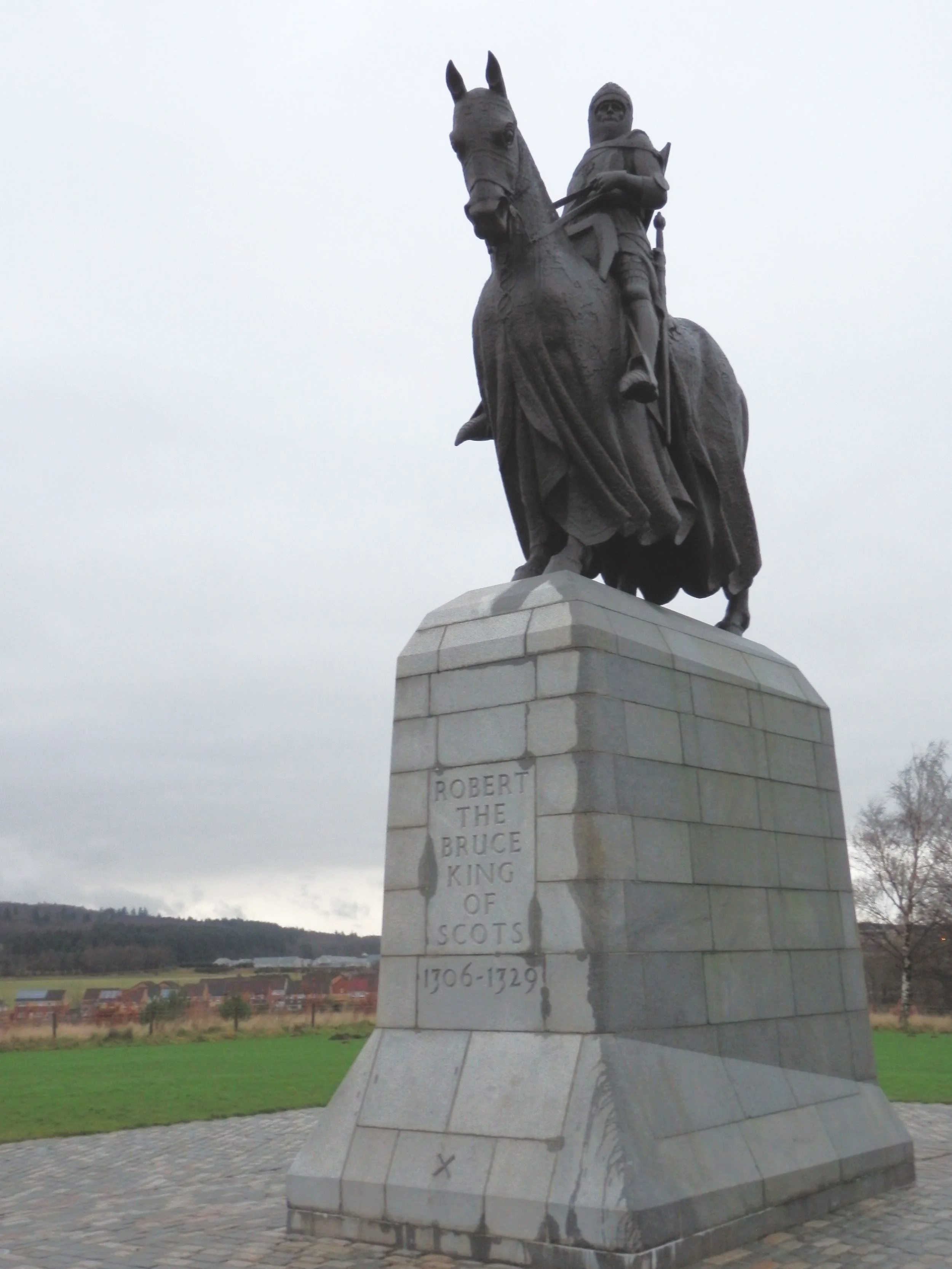
Commemorating Robert the Bruce, King of Scots. Bannock Burn. Scotland. © pitchhawk, 2026. All rights reserved.
Closing shots, how to build your very own Stirling
Stirling Castle stands where geography, commerce, and authority converge.
It was built to secure a nation’s hinge point, adapted as warfare evolved, and projected legitimacy while defending territory. And its symbolic power inspired as much as its cliff faces, cannons, walls and soldiers deterred.
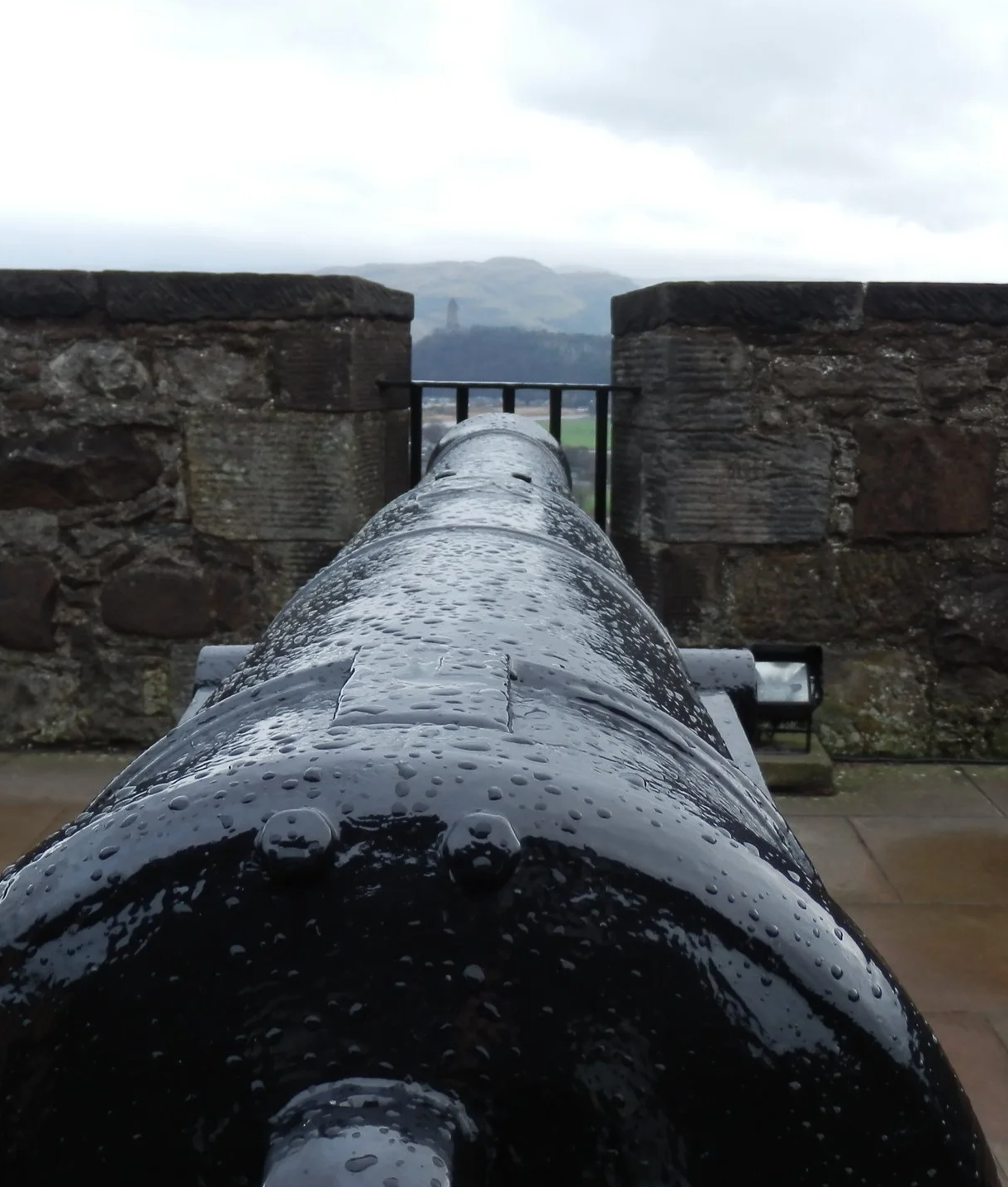
A potent weapons platform inside the ideal fortress. © pitchhawk, 2026. All rights reserved.
At pitchhawk, we help you think about the individual elements of your business and investment thesis and how they are engineered and assembled, as though they were the blueprints to your very own Stirling Castle.
Our “diagnose, fortify, and build” platform service efficiently surveys and x-rays the design, construction, and commercialisation of your Stirling to determine whether it is an investable, resilient, and fortified business. If it’s not, we help you make it fortress-strength — not by polishing decks — but by helping you step back and redesign/build the underlying business and investment elements that might be missing.
And now you have a fortress that professional investors can see, recognise, trust, and confidently invest in, so you too can raise the capital your business deserves and make your mark on the world.
🖐🦅

pitchhawk exists to bridge the gap between innovation and investability. We transform innovations into fortress-strength, investable businesses by helping innovation leaders build the commercial foundations and investment cases most programs, processes, and sell-side advisors never address.
Copyright, pitchhawk, 2025-2026. All rights reserved.