
Lessons from the Great Fortresses of Europe — Part 9 — Gordes Castle, NVIDIA of the Luberon
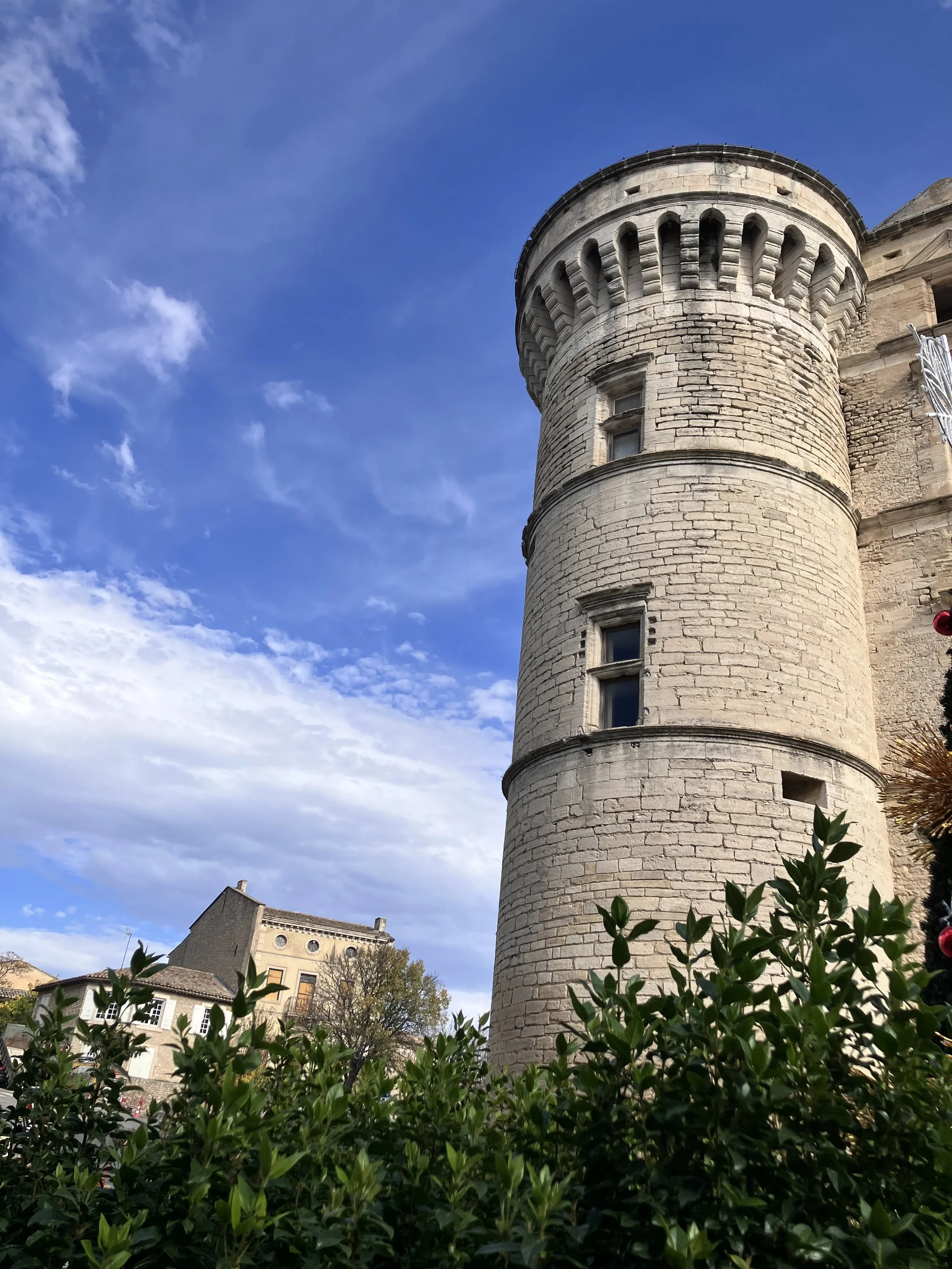
Gordes Castle, Luberon Valley, Provence, France. © pitchhawk, 2026. All rights reserved.
Gordes Castle, hilltop fortress and the NVIDIA of the Luberon
Some fortresses dominate their towns. Gordes became its town.
The village winds up the Luberon slopes, terraces scented with thyme, towering above the rolling vineyards and countryside below.
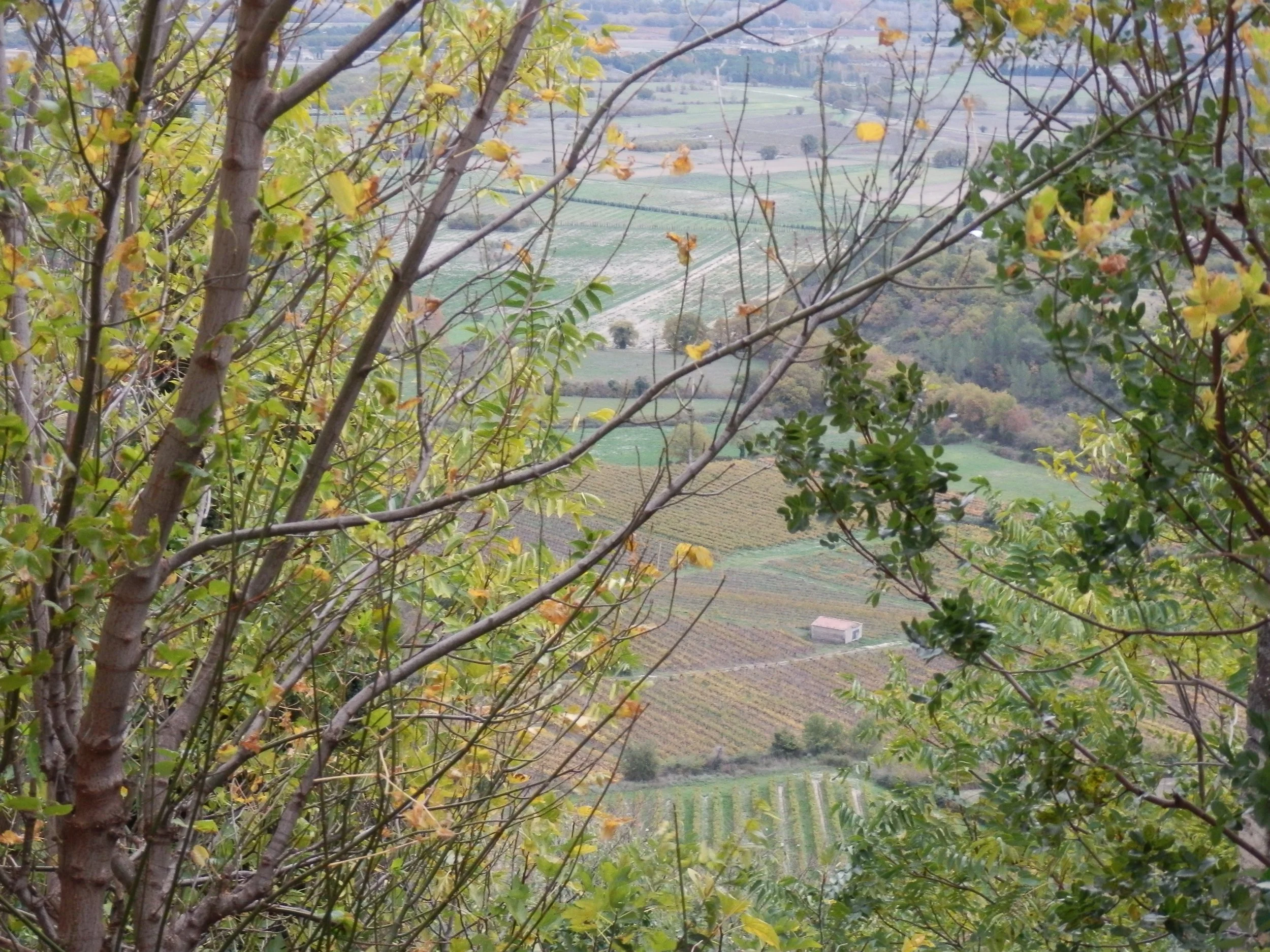
View from the edges. Gordes, Luberon Valley, Provence, France. © pitchhawk, 2026. All rights reserved.
Then, just as the road rounds, the castle reveals itself — rising not above, but out of Gordes, folded into the village like a proud parent watching over generations.
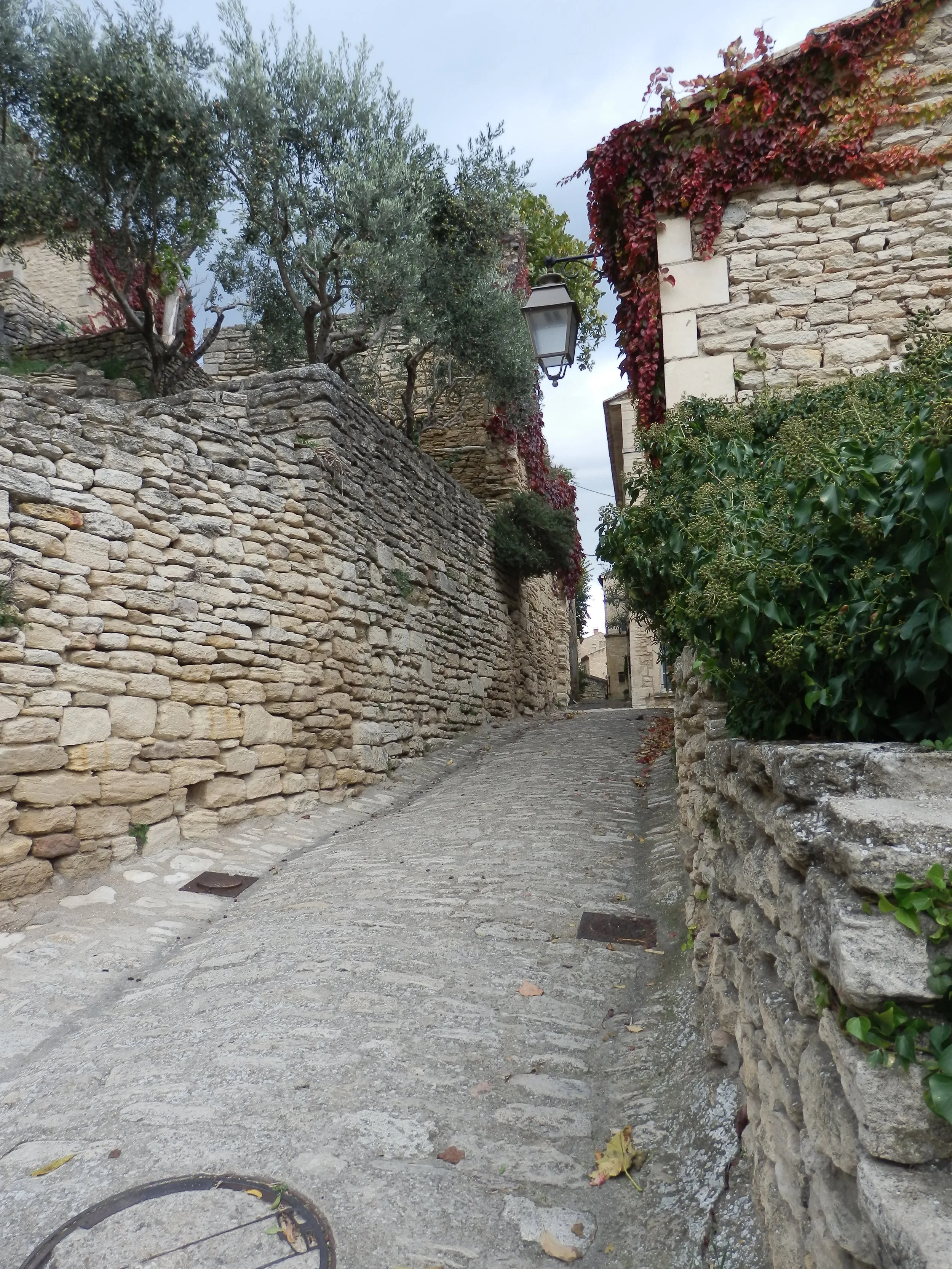
Community, built to last. Gordes, Luberon Valley, Provence, France. © pitchhawk, 2026. All rights reserved.
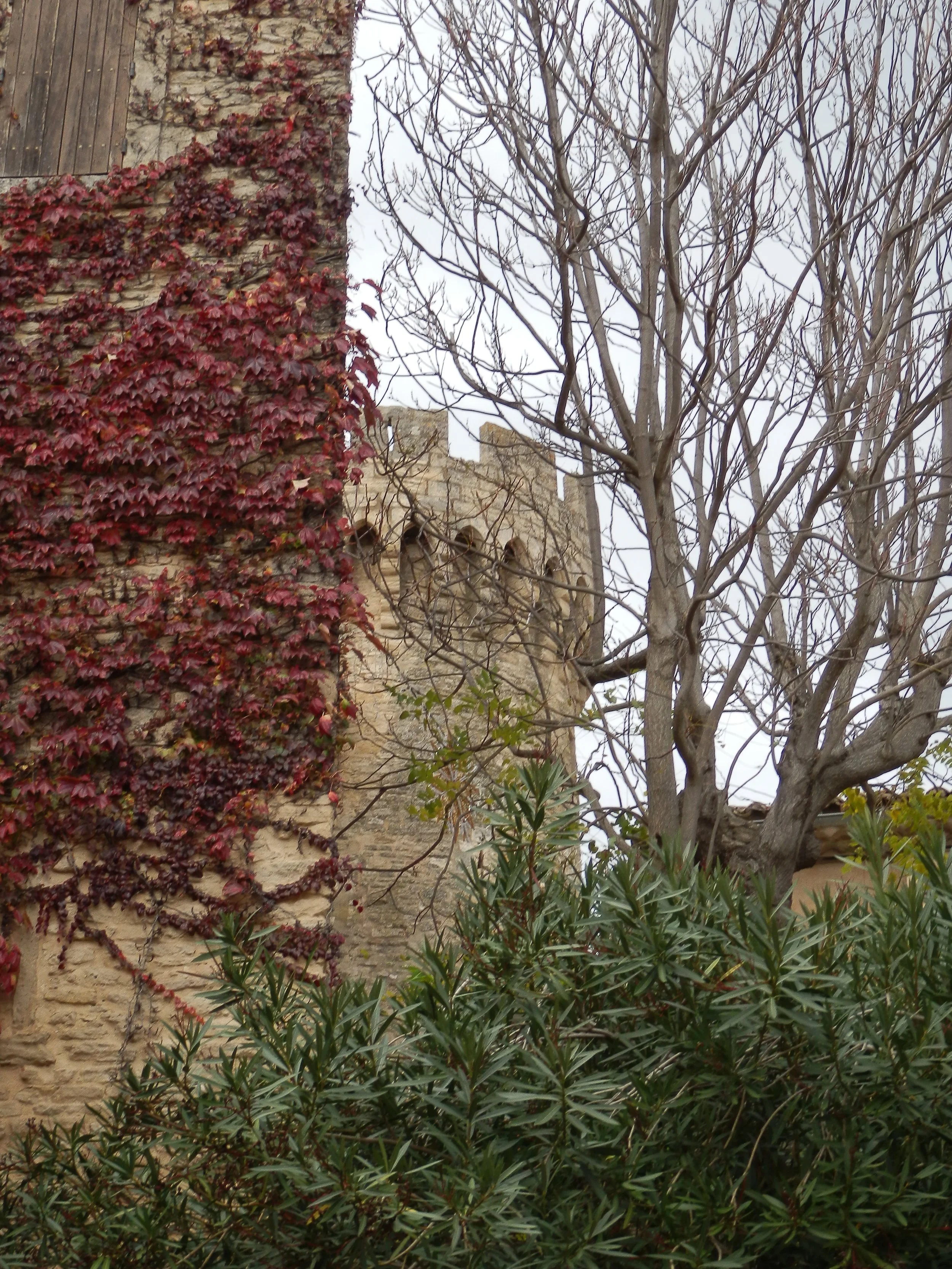
Gordes Castle, Luberon Valley, Provence, France. © pitchhawk, 2026. All rights reserved.
First mentioned in 1031, Gordes Castle began as a simple citadel: steep approaches, compact walls, terraces and deep cellars designed for survival through long winters and longer sieges.
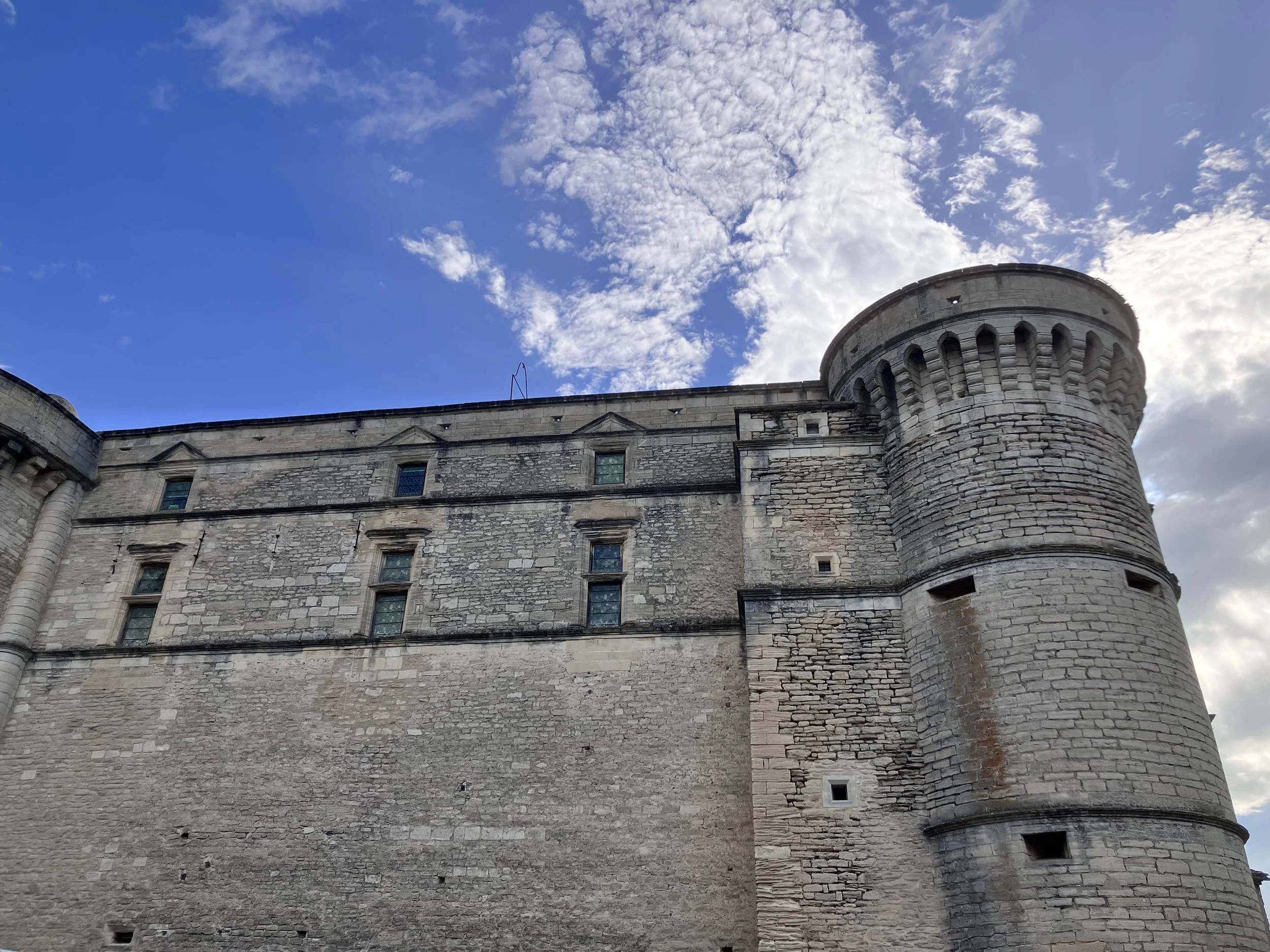
Gordes Castle, Luberon Valley, Provence, France. © pitchhawk, 2026. All rights reserved.
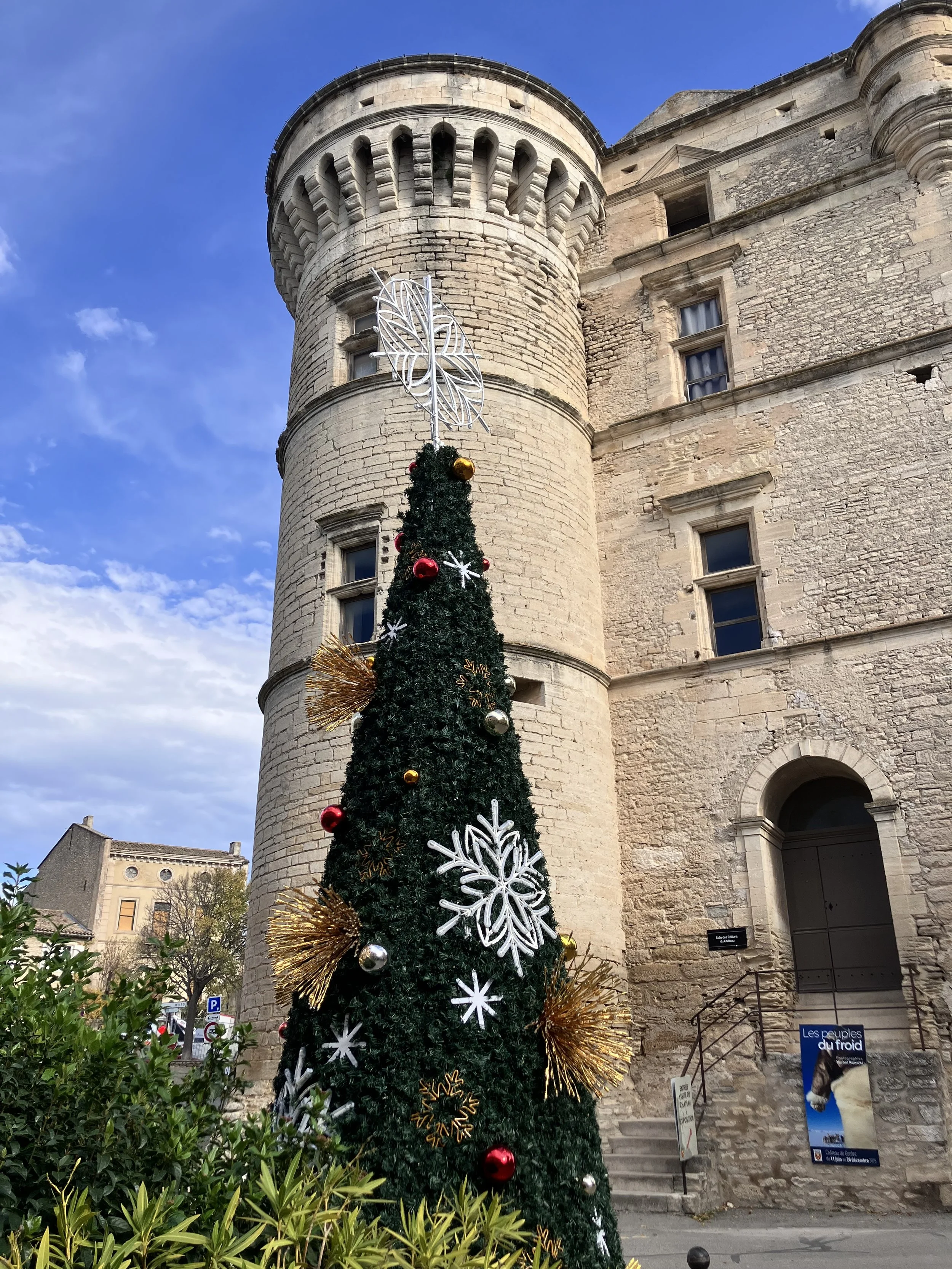
A place to gather. Castle Gordes, Luberon Valley, Provence, France. © pitchhawk, 2026. All rights reserved.
By the 14th century, the fort was rebuilt, hardened to meet the tactical realities of medieval Provence.
In the early 16th century, the Simiane family softened its edges, adding Renaissance windows, galleries, and domestic spaces that turned a machine for defence into a home for living.
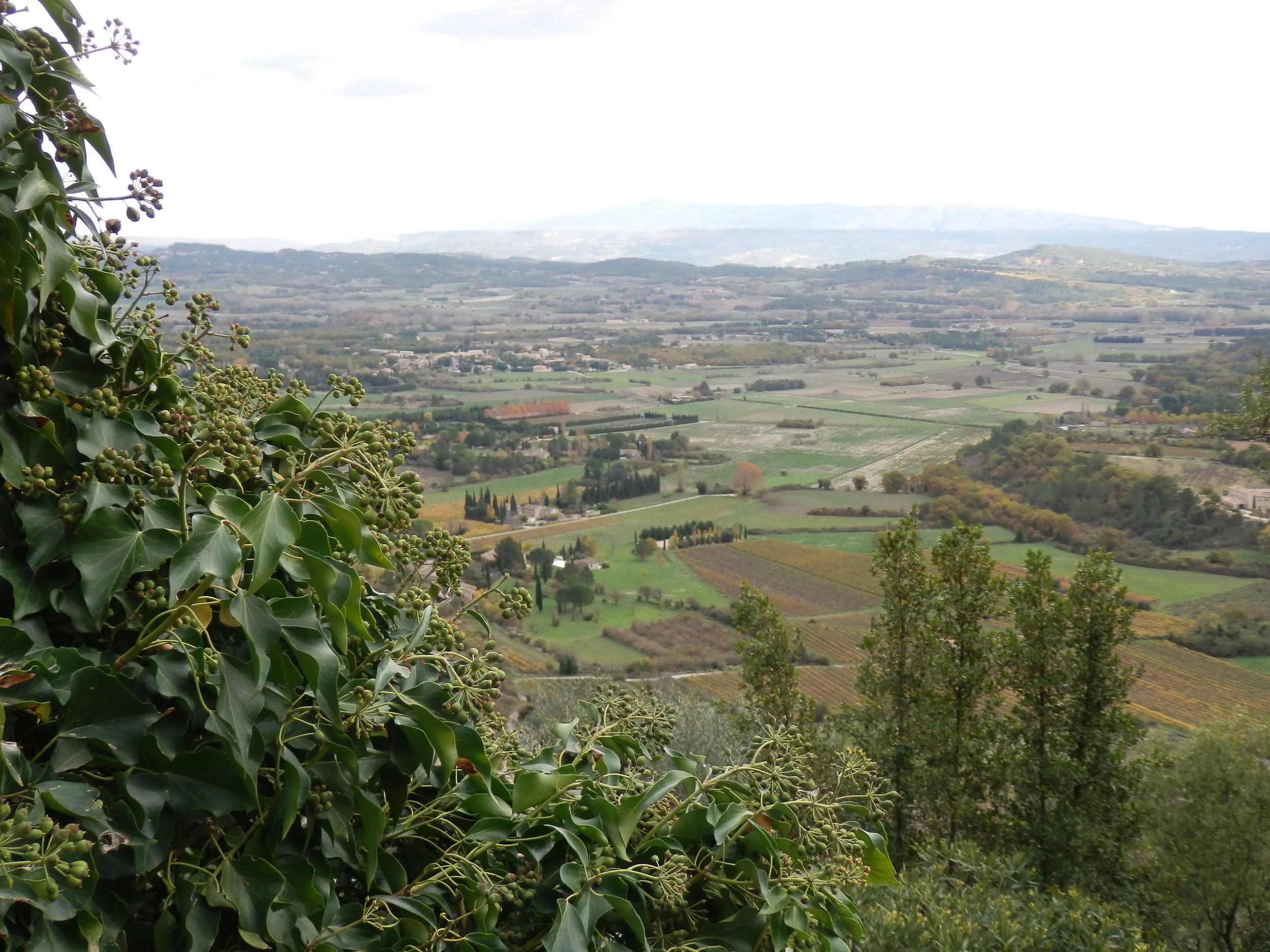
View from the edges. Gordes, Luberon Valley, Provence, France. © pitchhawk, 2026. All rights reserved.
The fortress retained its strategic high ground, commanding views across the Luberon valley, but its identity was evolving: from military to residential, from bastion to hub.
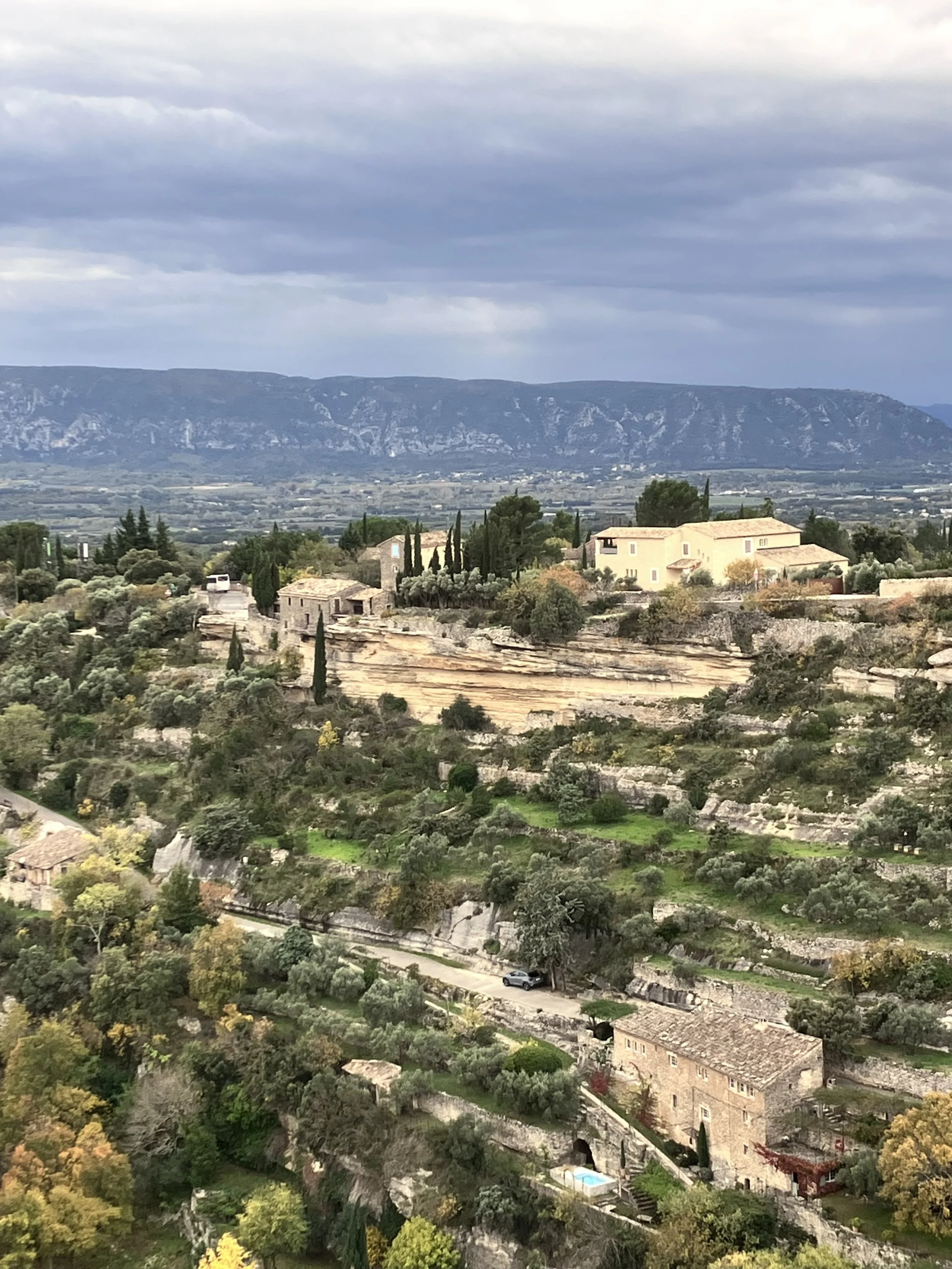
Community. Gordes, Luberon Valley, Provence, France. © pitchhawk, 2026. All rights reserved.
It’s impossible to miss the romance of this evolution. Gordes was never captured by force; its survival came from adaptation, generosity, and relevance. By embracing change, it transformed from a defensive object into a cultural anchor for the village, a hub for tourism, arts, and community.
Today, it’s a living monument, where history, heritage, and commerce converge.
In many ways, Gordes mirrors the lessons we explored with Fort Saint-André. There, the fortress’s defensive genius set the stage for centuries of regional influence.
Here, the story extends: a site designed for protection becomes a centre of experience and identity.
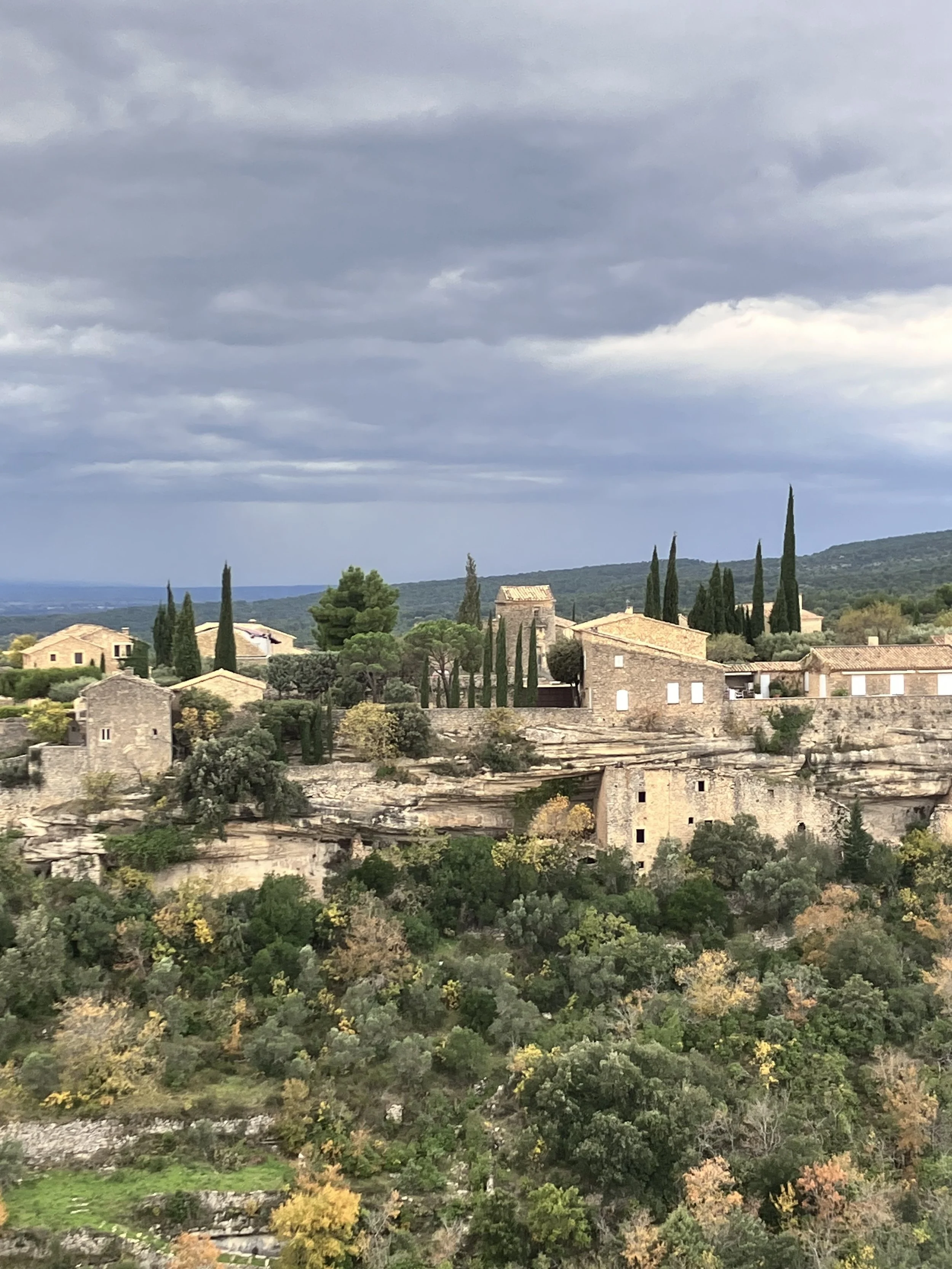
Community. Gordes, Luberon Valley, Provence, France. © pitchhawk, 2026. All rights reserved.
Like Fort Saint-André, Gordes teaches that durable value lies not in resisting change but in harnessing it.
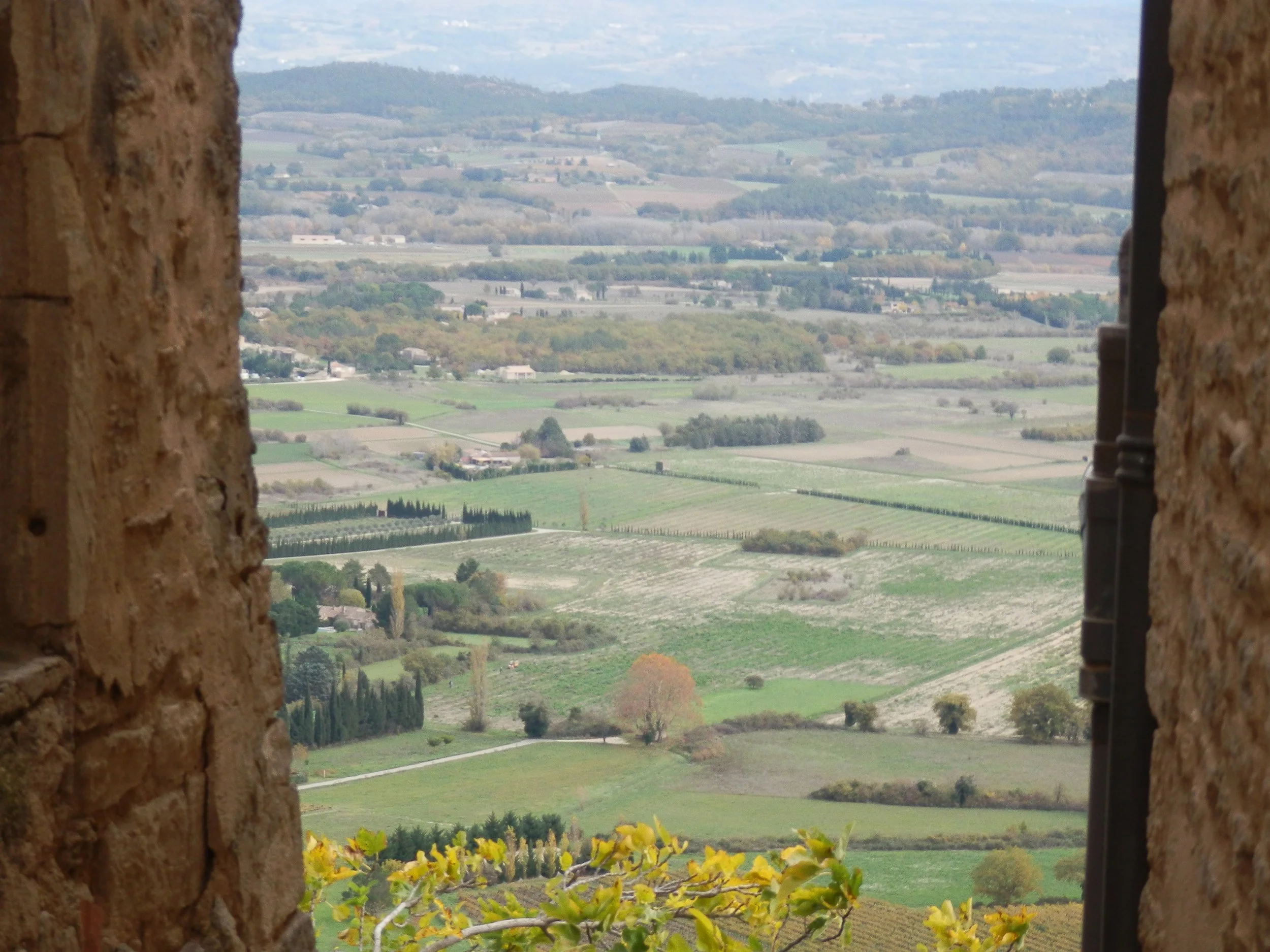
Visibility, protection, ecosystem. Gordes, Luberon Valley, France. © pitchhawk, 2026. All rights reserved.
Unlike Ehrenbreitstein — the “Amazon of the Rhine” — which illustrates scale and dominance in controlling trade routes, Gordes shows finesse: the fortress that earns its keep not through monopoly, but through adaptation and ecosystem integration.
The modern high ground, NVIDIA as a Gordes of innovation
If Gordes teaches anything to today’s founders, it’s that position matters more than the first use of your asset. In tech, few modern examples are as apt as NVIDIA.
NVIDIA’s GPUs didn’t start as the infrastructure backbone of the AI era, they began life as gaming accelerators, built to render polygons and frames faster on PCs. That organic demand laid the foundations of a broad hardware base and mindshare among developers.
Later, when crypto mining boomed in the late 2010s, the same parallel compute capabilities made certain GPU models valuable to miners, even as crypto markets oscillated, an early example of secondary ecosystem value emerging outside the original design intent.
When large-scale AI workloads arrived in the early 2020s, those same GPUs found a far larger market. The launch of NVIDIA’s CUDA (Compute Unified Device Architecture) in the mid-2000s became a hidden strategic masterstroke. CUDA turned raw parallel compute into programmable infrastructure, a software layer developers could build on.
Over decades, that ecosystem grew deep with optimised libraries and frameworks, making NVIDIA hardware the path of least resistance for many AI workloads. That has created substantial switching costs as well as network effects around CUDA, giving NVIDIA a significant moat beyond raw silicon performance.
Where many competitors falter is not in hardware performance alone, but in software ecosystem maturity. AMD has credible GPU technology, and hyperscalers like Google, Meta, and Amazon are building custom silicon tailored to their specific workloads, running alongside NVIDIA hardware.
Intel, long absent from the AI GPU spotlight, recently announced plans to develop its own GPU offerings aimed at data centres, signalling a renewed push into a space historically dominated by NVIDIA.
Despite these challenges, the combination of CUDA, developer adoption, and a decade-long head start gives NVIDIA a unique position, much like Gordes’ terraces and high walls did in Provence.
Founder takeaways, building your Gordes
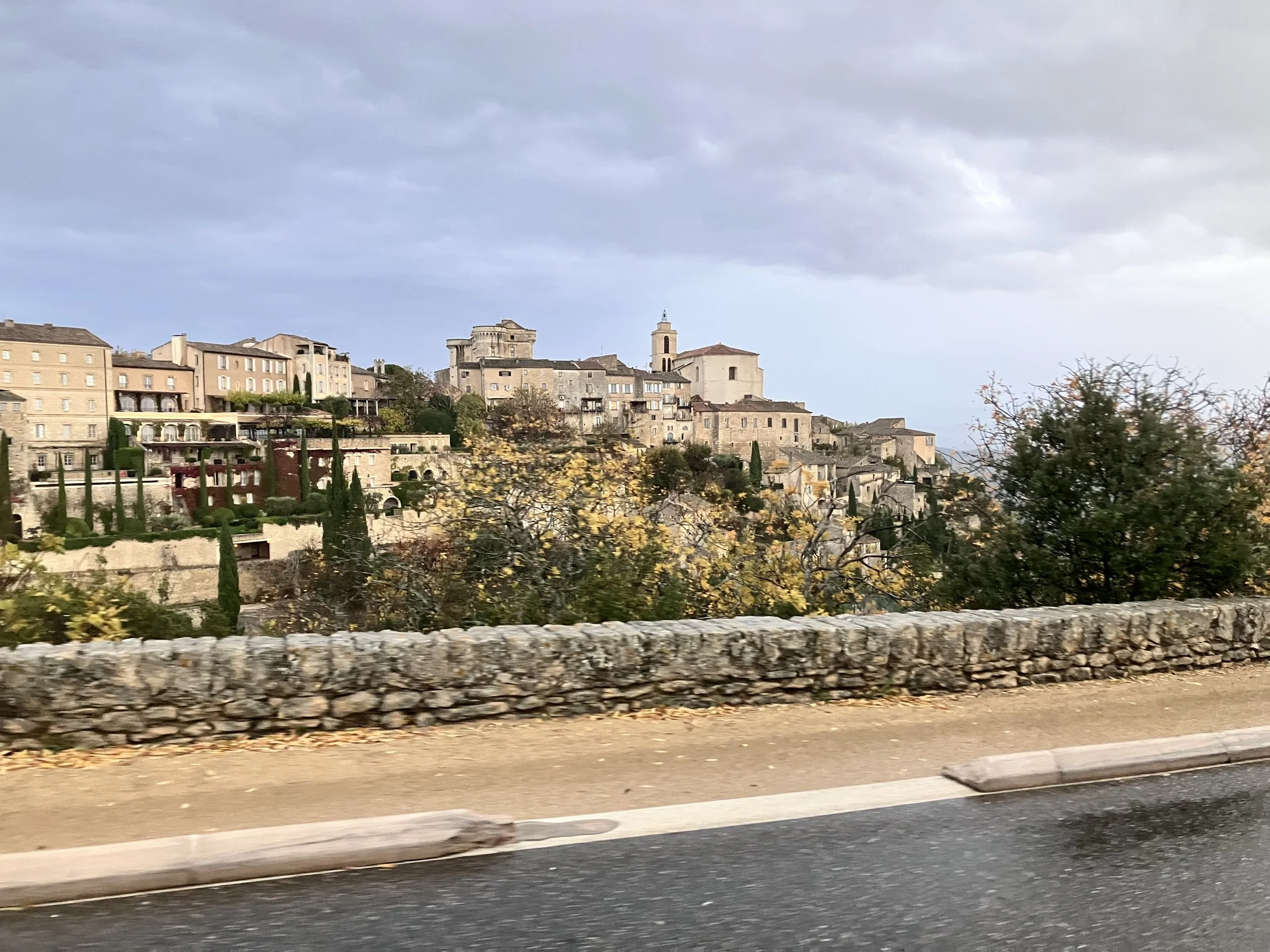
Gordes hilltop village, Luberon Valley, Provence, France. © pitchhawk, 2026. All rights reserved.
Gordes teaches us many things about positioning,
Own the hilltop not just the feature. Your first product is rarely the endgame. Focus on securing position in the problem space that others will need tomorrow. And like the Germanic castles of the Middle Rhine, there are many ways to secure a dominant position—height, verticality, shared infrastructure, scale, proximity to trade, weapons platform, supply lines, beauty and bluff.
Design for reuse and evolution. Gordes survived by changing its role. VIDIA thrived by expanding the purpose of its GPUs and ecosystem. Likewise, many Bitcoin miners have pivoted from mining to AI data centres. Ask: what else can your asset support if circumstances shift?
Community as moat. Tourism and local culture sustain Gordes today; ecosystems and developer communities sustain NVIDIA. Technology alone erodes, but relationships compound.
Monetise layers, not just core. Defence gave way to residence, which gave way to a cultural economy. Similarly, products can evolve into platforms, services, and IP-based revenue.
Gordes reminds us that a fortress does not have to stay a fortress.
The stones remain, but the uses multiply.
Founders often focus on the first product and often forget that they should also be selling the potential to host multiple businesses and revenue streams over time — the same way the Simiane family expanded its defensive citadel into a Renaissance residence and then a cultural hub.
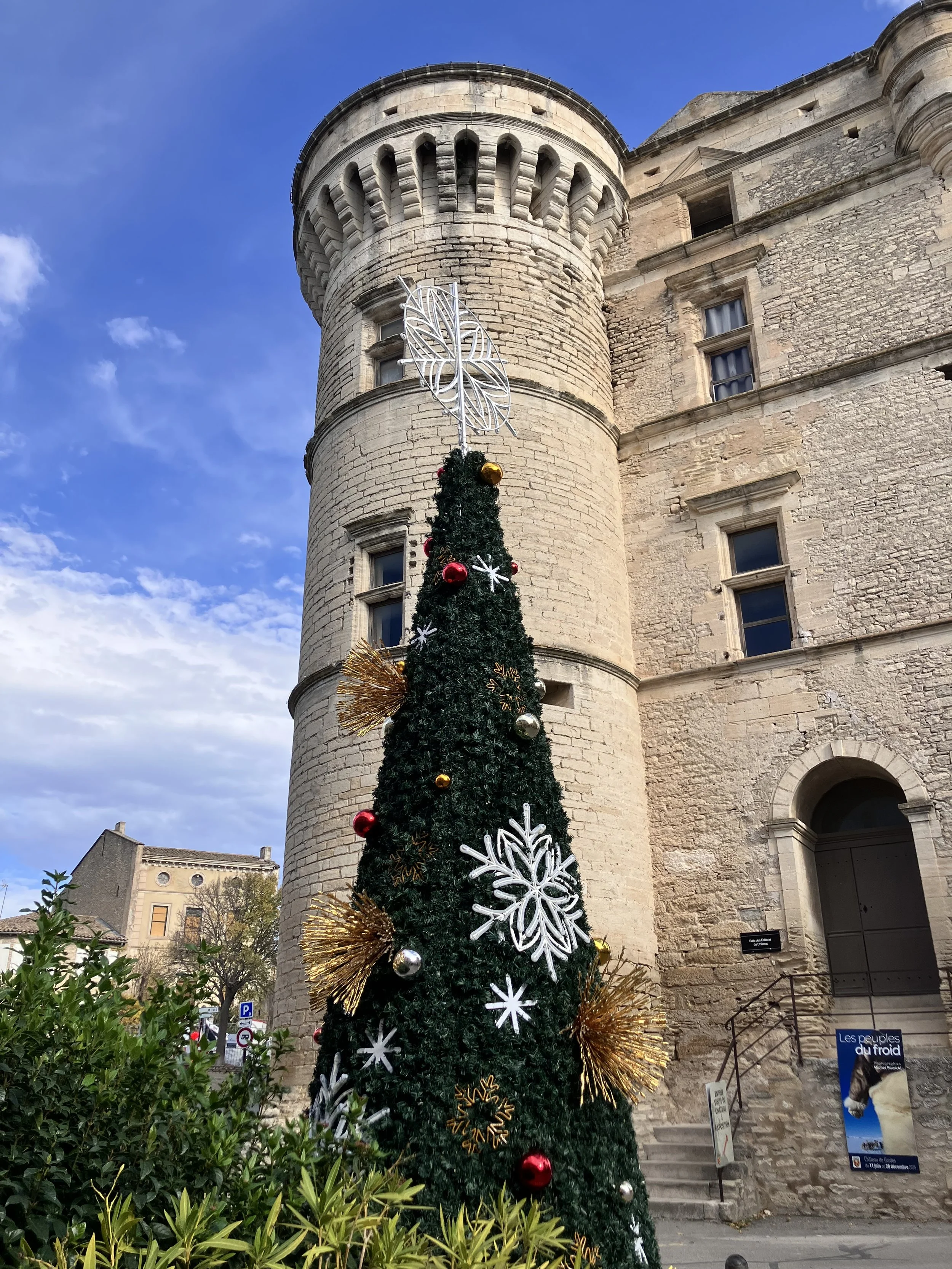
Cultural epicentre. Luberon Valley, Provence, France. © pitchhawk, 2026. All rights reserved.
As we saw with Fort St André, historical context teaches modern strategy, where durable advantage is less about walls than about adaptability and vision.
Gordes extends the story, adding nuance: a smaller scale, intimate high ground, one that relies on human engagement as much as physical dominance.
And NVIDIA exemplifies this principle in tech, starting with a narrow focus, building high ground, and letting new economies flow in over decades.
Gordes did it with limestone, terraces and community building through protection and advocacy. You can do it with code, data, and commercial design.
Next week in Part 10 of our series, we’ll be leaving France……but this time, no spoiler!
See you next Monday 🖐

pitchhawk exists to bridge the gap between innovation and investability. We transform innovations into fortress-strength, investable businesses by helping innovation leaders build the commercial foundations and investment cases most programs, processes, and sell-side advisors never address.
Copyright, pitchhawk, 2025. All rights reserved.