
Investor readiness lessons from the great fortresses of Europe—Part 1— Ehrenbreitstein
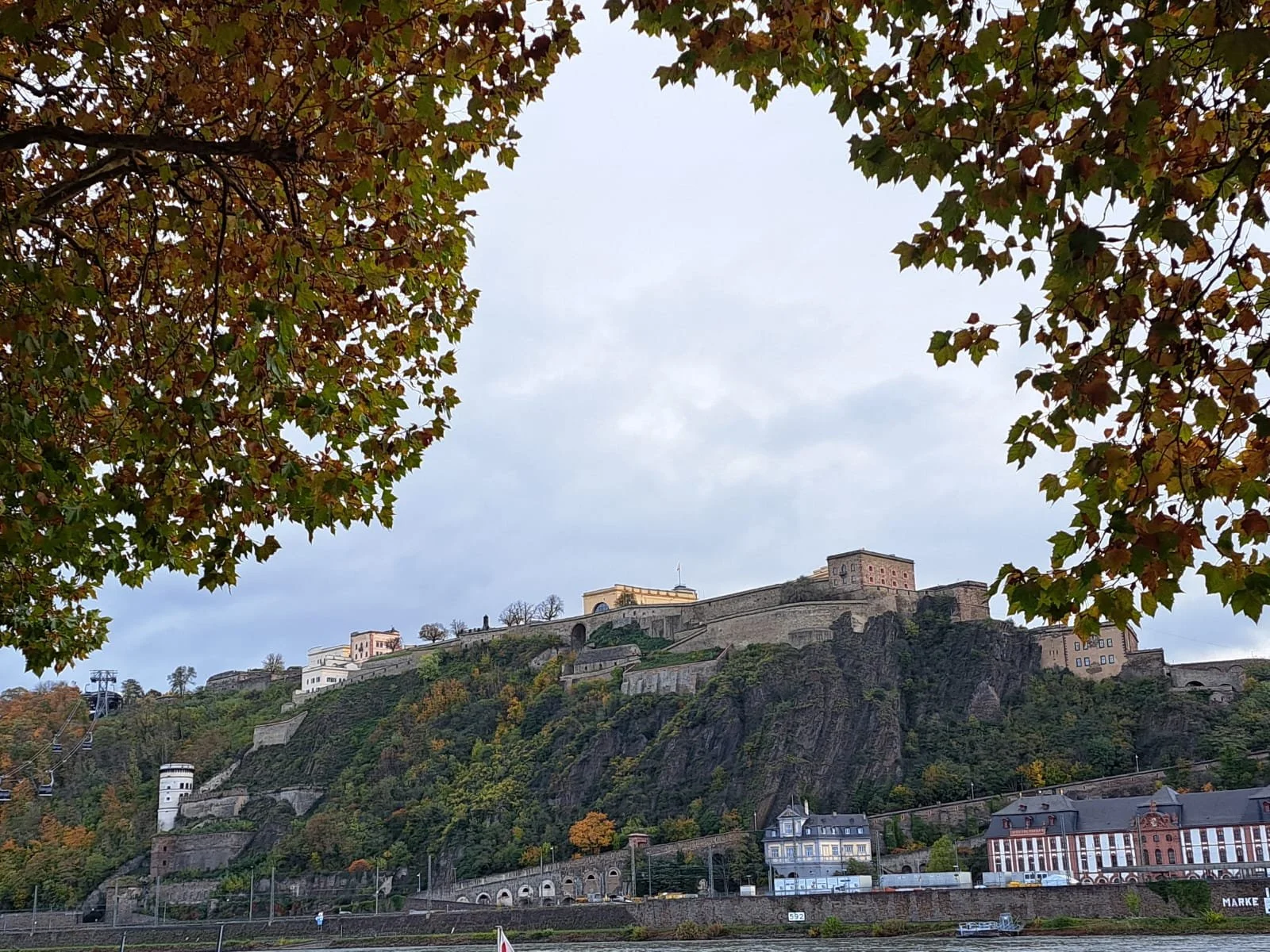
Ehrenbreitstein, Koblenz. Copyright, pitchhawk, 2025. All rights reserved.
Lessons from Ehrenbreitstein, the Amazon of the Rhine
Perched 118 metres above where the Rhine and Moselle rivers have a friendly little meet-and-greet, Ehrenbreitstein Fortress isn’t just your typical pile of stone.
It’s a 5,000-year masterclass in location, infrastructure, and control.
Essentially, the blueprint for Amazon, if Jeff Bezos had a sword, a cannon and tunnels that scale infinitely beneath the hilltop.
And as I walked through its gates, immersing myself in a world of battle-tested stone and multi-layered defences, Ehrenbreitstein’s purpose really hit me. Commanding, flexible, and perfectly positioned with every wall, moat, and tunnel whispering, “If you want to dominate the marketplace, this is how you do it.”
Origins and 5,000 years of strategic “finders’ keepers”
Humans have been obsessed with this hill since the Bronze Age.
Celts, Romans and medieval nobles all saw the view and thought, “We’ll take that.”
By around AD 1000, Ehrenbert built a castle here, giving the site its modern name. In the 15th century, Archbishop Richard von Greiffenclau expanded it into an artillery resistant stronghold. This early fortress earned its reputation the hard way, regularly firing its cannons in anger. It held out during the Thirty Years’ War, resisted Louis XIV’s forces in 1688, and even survived multiple French sieges in the late 1700s until the defenders finally starved and the French blew the whole place up in 1801.
Then came the Prussians. Between 1817 and 1828 they rebuilt Ehrenbreitstein as part of Festung Koblenz (Festung being the German word for fortress) one of Europe’s largest and most technically advanced fortifications.
This newer version was something else entirely. Eighty cannons. A garrison of 1,500 men. Layered walls. Internal dry moats designed to trap and expose anyone who somehow made it past the rocks and the outer slopes.
This new structure was so formidable that no force ever dared attack it again. Not a single cannon needed to be fired. Its existence was enough to keep the peace.
And when I got to the top and walked those spectacular ramparts, I could tell why every civilisation wanted this craggy hill. But more on that below.
Visibility and the powerful “ticket clipping” toll booth
From the top of the world, you can see the Rhine and Moselle rivers merge, like veins feeding a market. Every bend, every road, every shipment is visible, giving you natural surveillance and control over every trade route passing below. And what’s not to love about that!
🚨 But more importantly, place yourself here and you don’t just compete in the marketplace; you become the marketplace. You collect the tolls. You shape the flow 🚨
That also means that every competitor or customer passing through interacts with you, whether they like it or not.
And that kind of vantage isn’t just scenic, it’s hardcore commercial leverage because the higher you’re perched (or in commercial terms, the bigger your marketplace) the more value you can address and capture.
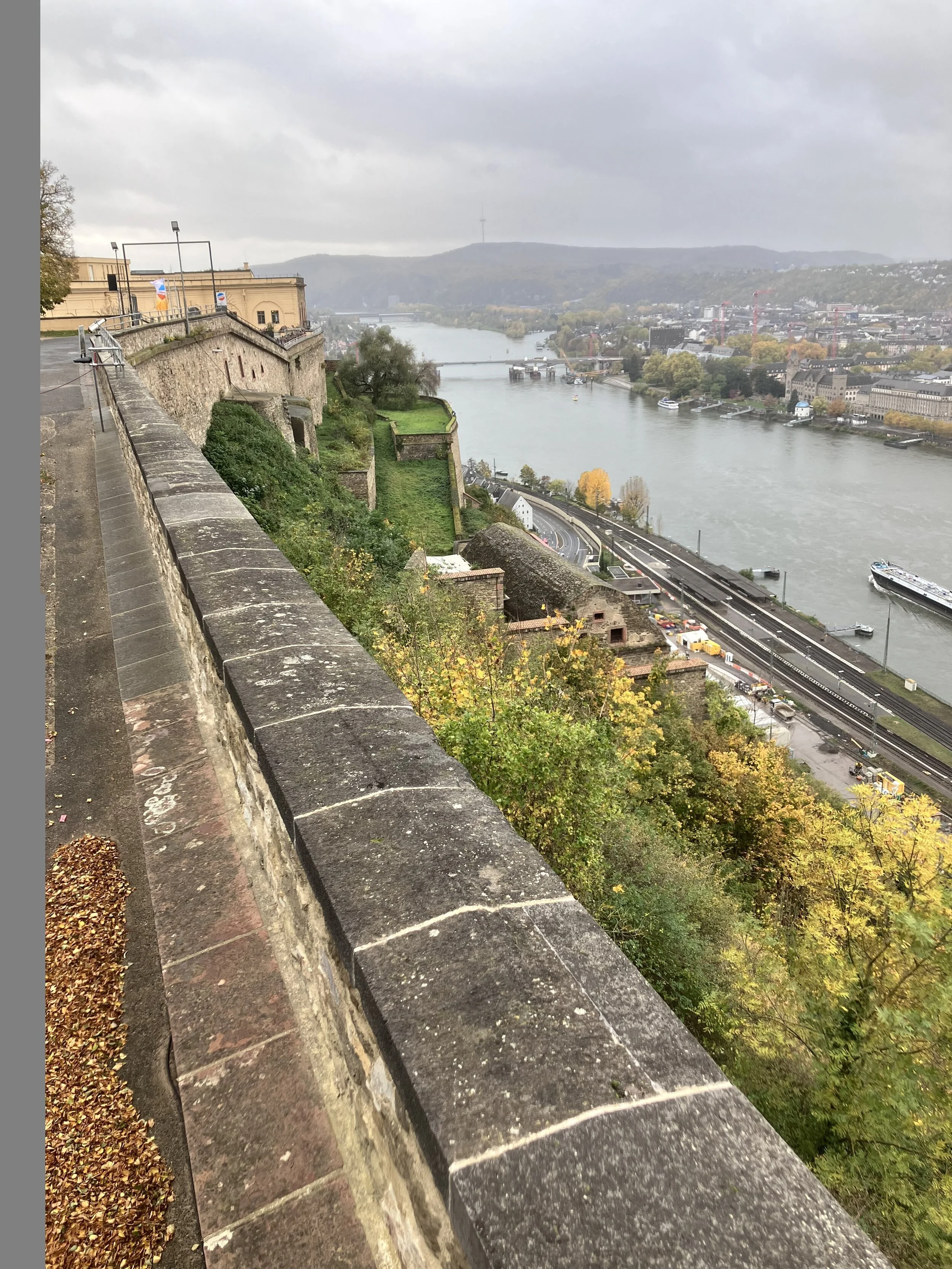
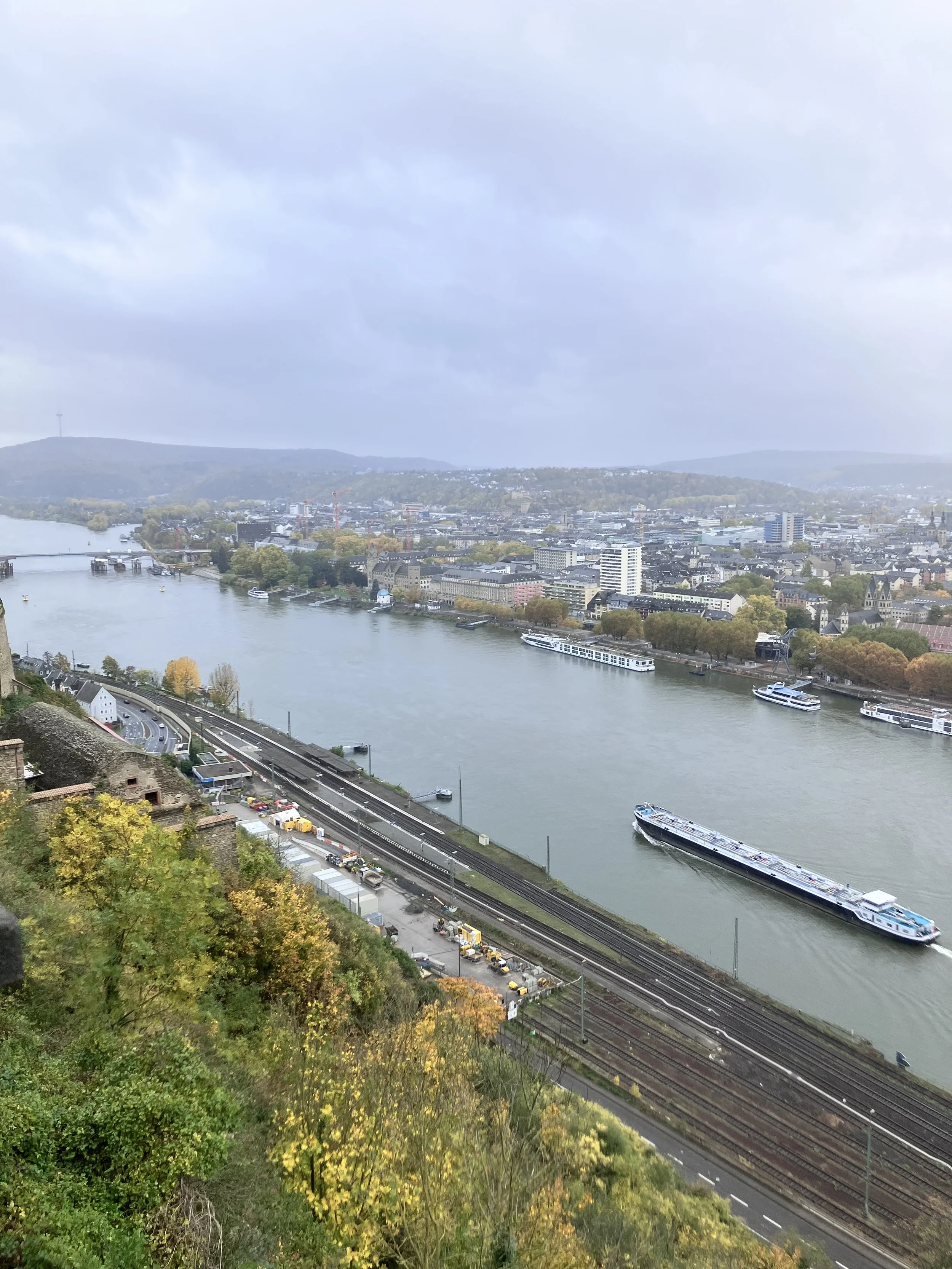
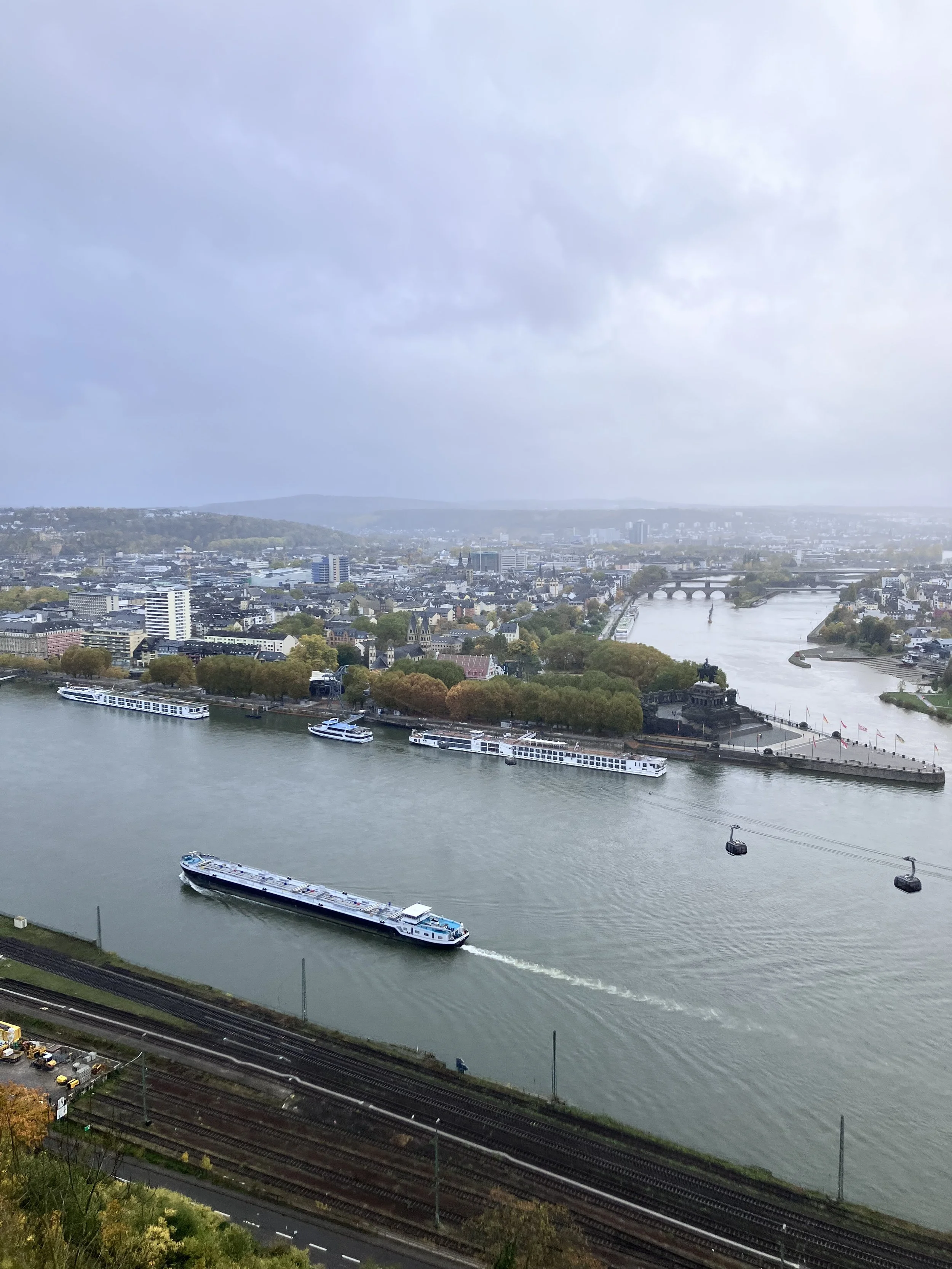


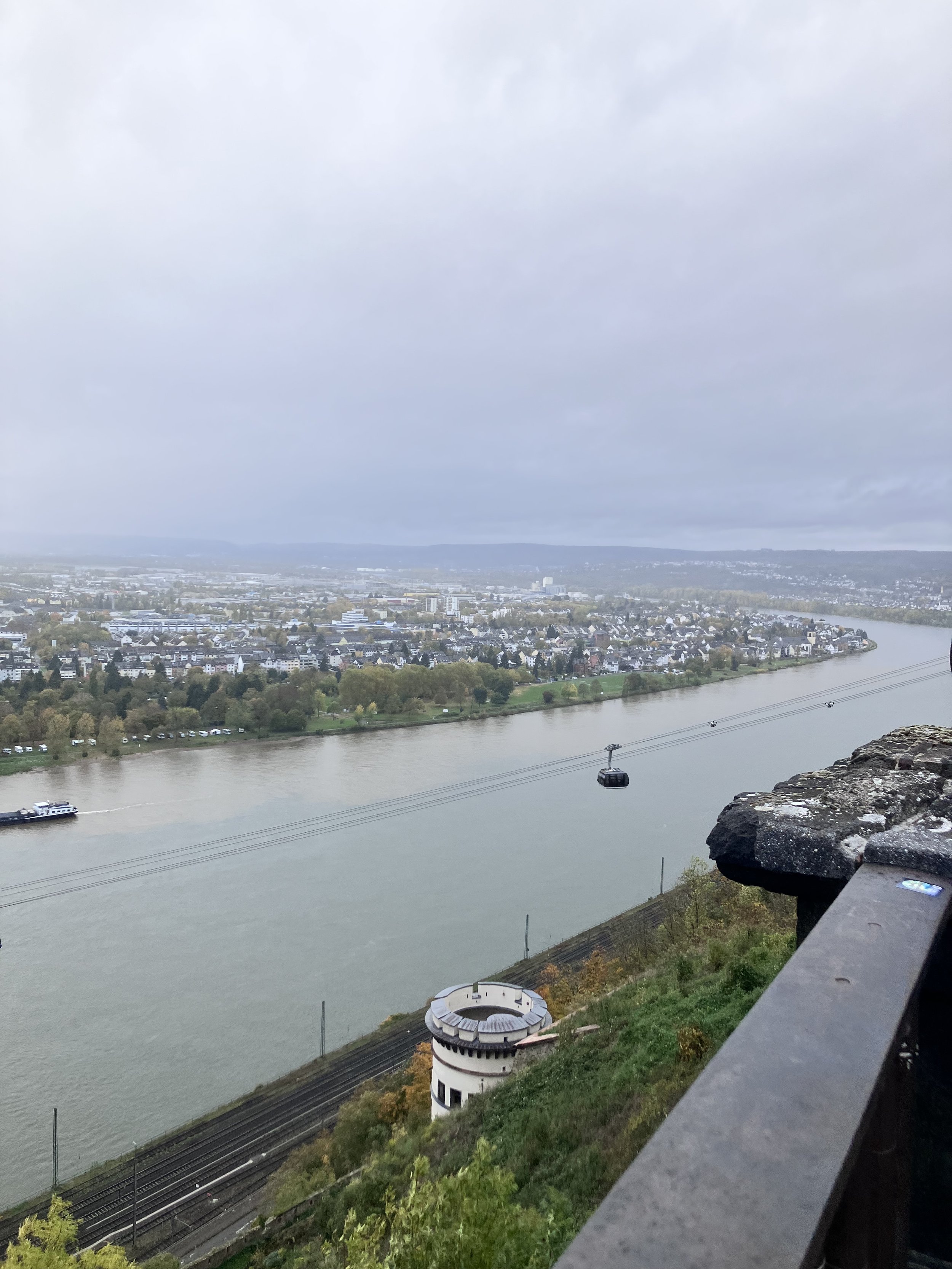
The Rine & Moselle converge. Copyright, pitchhawk, 2025. All rights reserved.
Literally, Ehrenbreitstein is the original digital marketplace blueprint, drawn up and perfectly executed centuries before the idea of the internet was conceived, with one single truth. If you choose the right position, build the right systems, and make yourself impossible to ignore, you don’t need to fight for attention or territory.
Amazon works the same way. Its retail business sits visibly on the hilltop, commanding attention, while the invisible tunnels beneath it, marketplace and AWS, act as dual supply lines, scaling infinitely and keeping the empire running.
The fortress as a regional HQ
As I mentioned above, by the early 19th century, Prussia turned Ehrenbreitstein into a multi-layered, multi-functional fortress, with walls, cannons, and dry moats, designed to deter without firing a shot.
Venturing through the underground tunnels, it felt like an 1820s AWS, moving troops and resources elastically, thanks to smart infrastructure. And on top of that, the panoramic views provide total surveillance over the confluence of markets, traffic, regional trade and pesky competitors.
But the irony is that after Prussian reconstruction, no one ever attacked it, lol…... Its existence alone was enough.
Sound familiar?
Sure, it does! Amazon doesn’t need to fight. It just exists in the right place, reinvests in its systems, and provides instantaneous access to both its retail customers and its cloud infrastructure through a potent mix of visible and invisible power.
And while Ehrenbreitstein’s cannon ports were always open to every angle, hardly ever a shot was fired in anger by those Prussians.
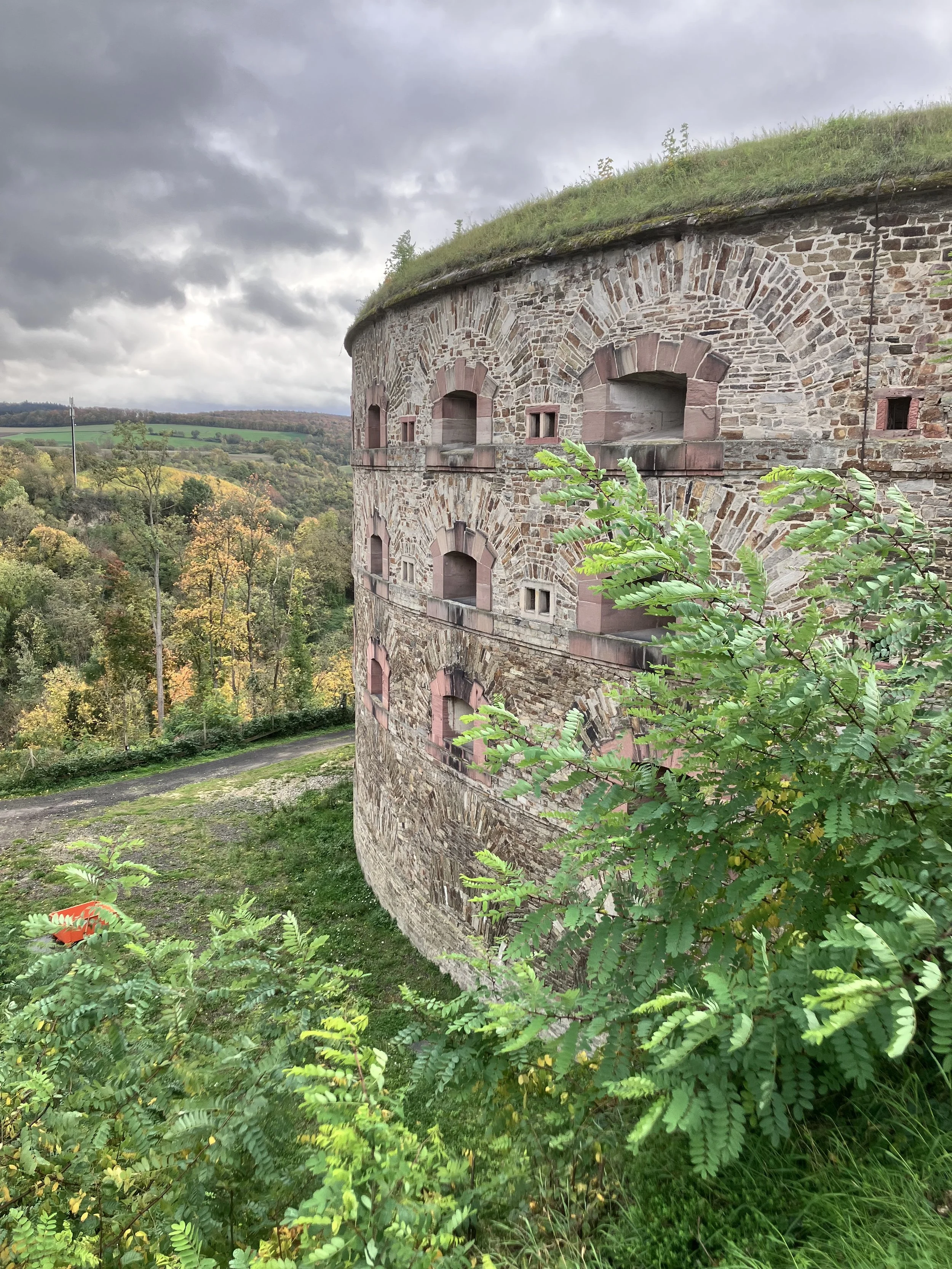
Assault by land—good luck with that! Copyright, pitchhawk, 2025. All rights reserved.
The right infrastructure provides elastic advantage
Ehrenbreitstein shows that scalable, flexible infrastructure is what actually wins.
Think of it as AWS rendered in stone, only with more cannons and far fewer engineers arguing about roadmap priorities.
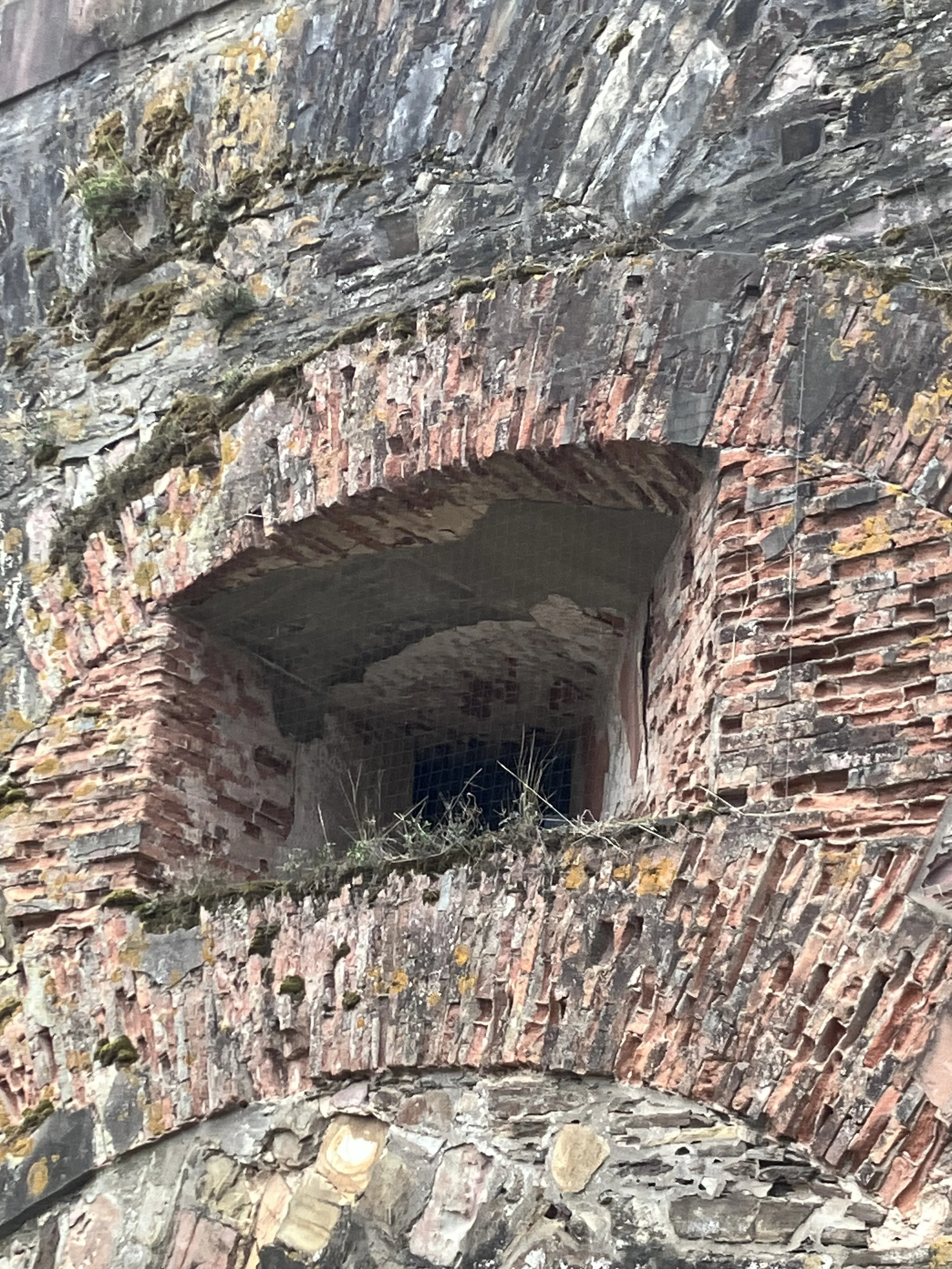
Kiln fired lintels for enduring protection. Copyright, pitchhawk, 2025. All rights reserved.
Its layered walls provide tactical coverage across every approach, so challengers end up taking the scenic route they never planned for.
The moat and cannon placements guide traffic exactly where you want it, creating predictable pathways and a faint sense of existential dread for anyone approaching uninvited.
Even those who make it through the outer natural moat face a dry inner moat full of mud, leaves, and the occasional historic unpleasantness.
It’s a perfectly engineered funnel that forces competitors into your preferred choreography, not theirs.
Sorry Gunther, wrong turn!

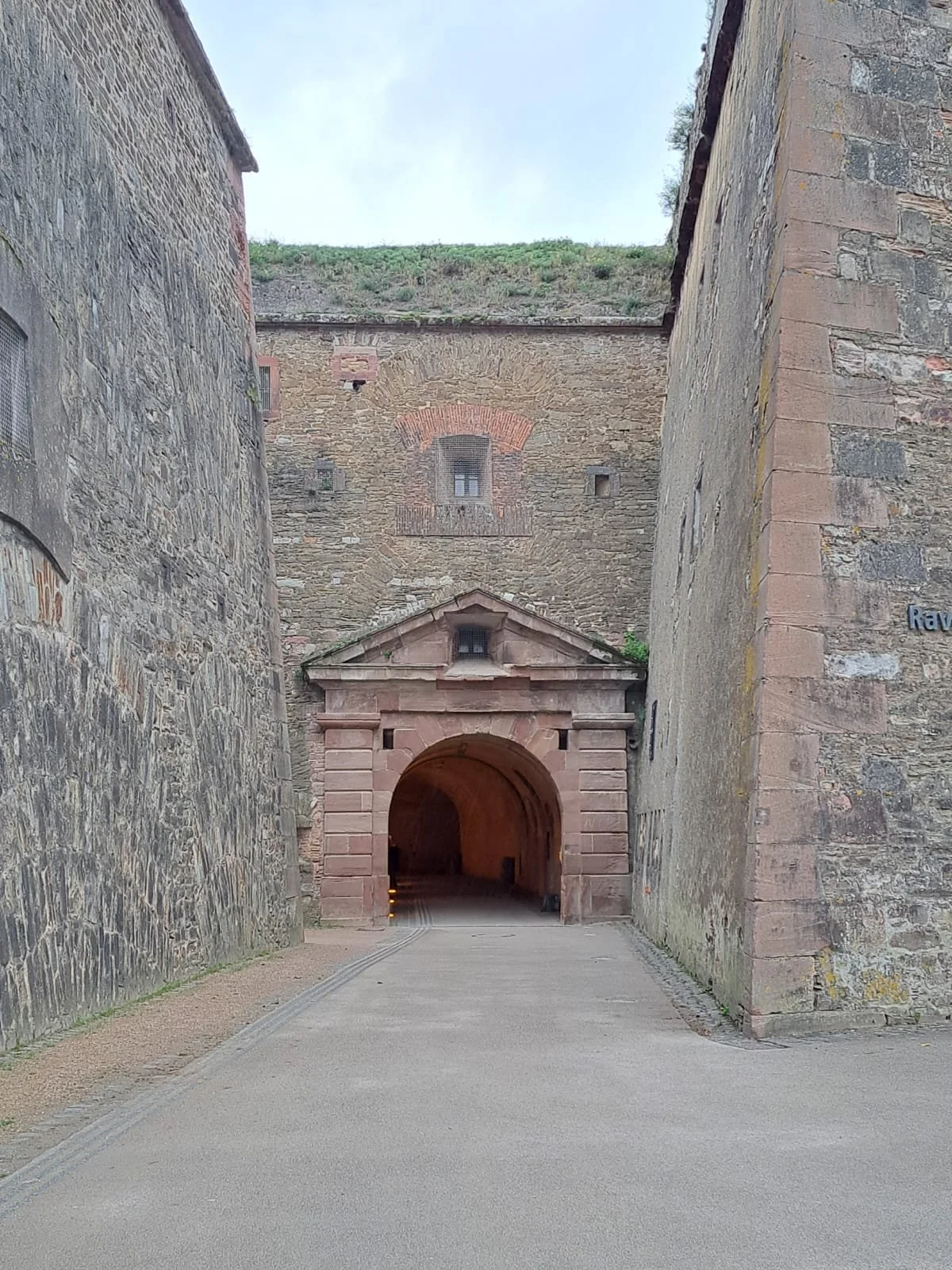
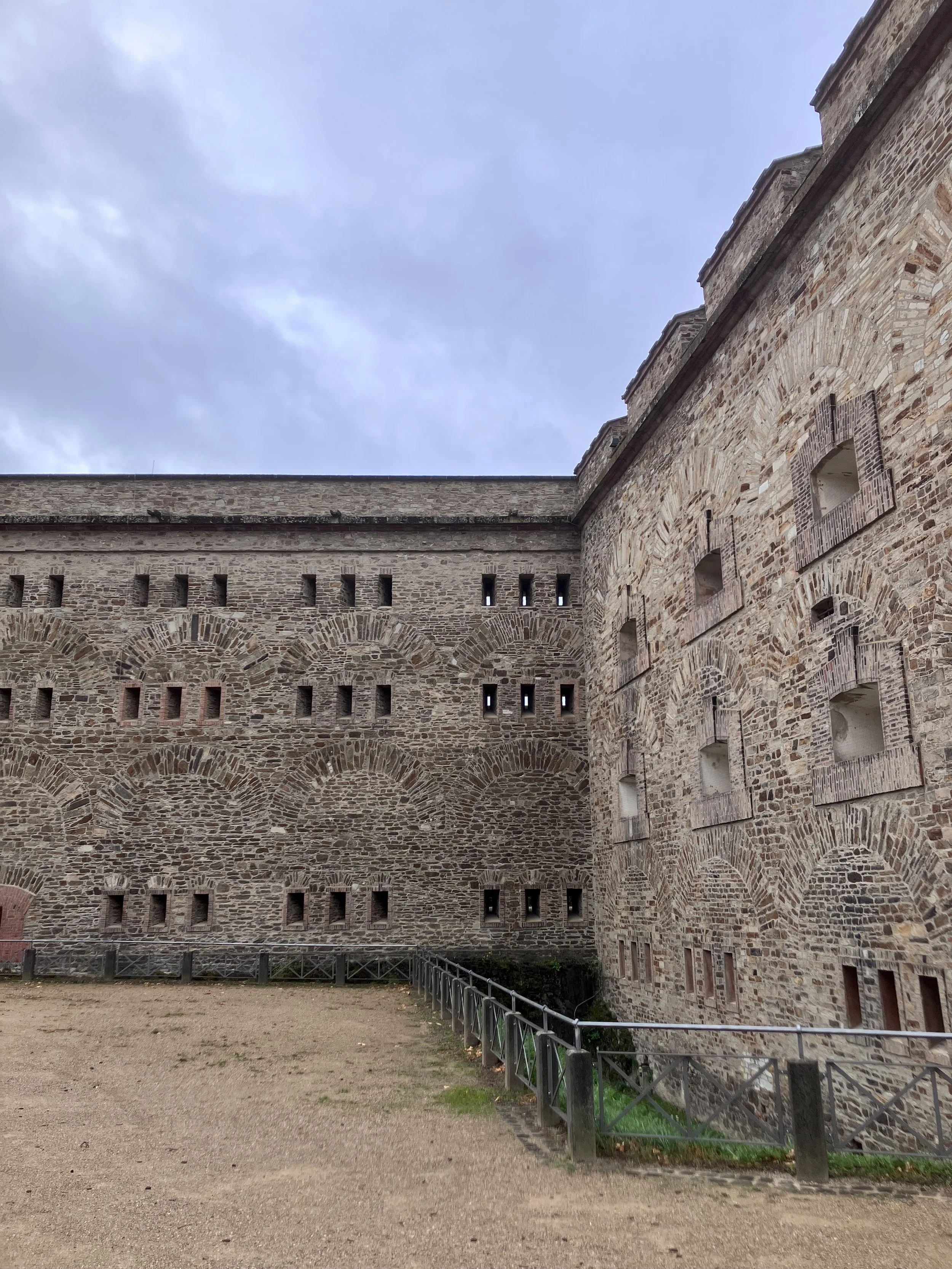
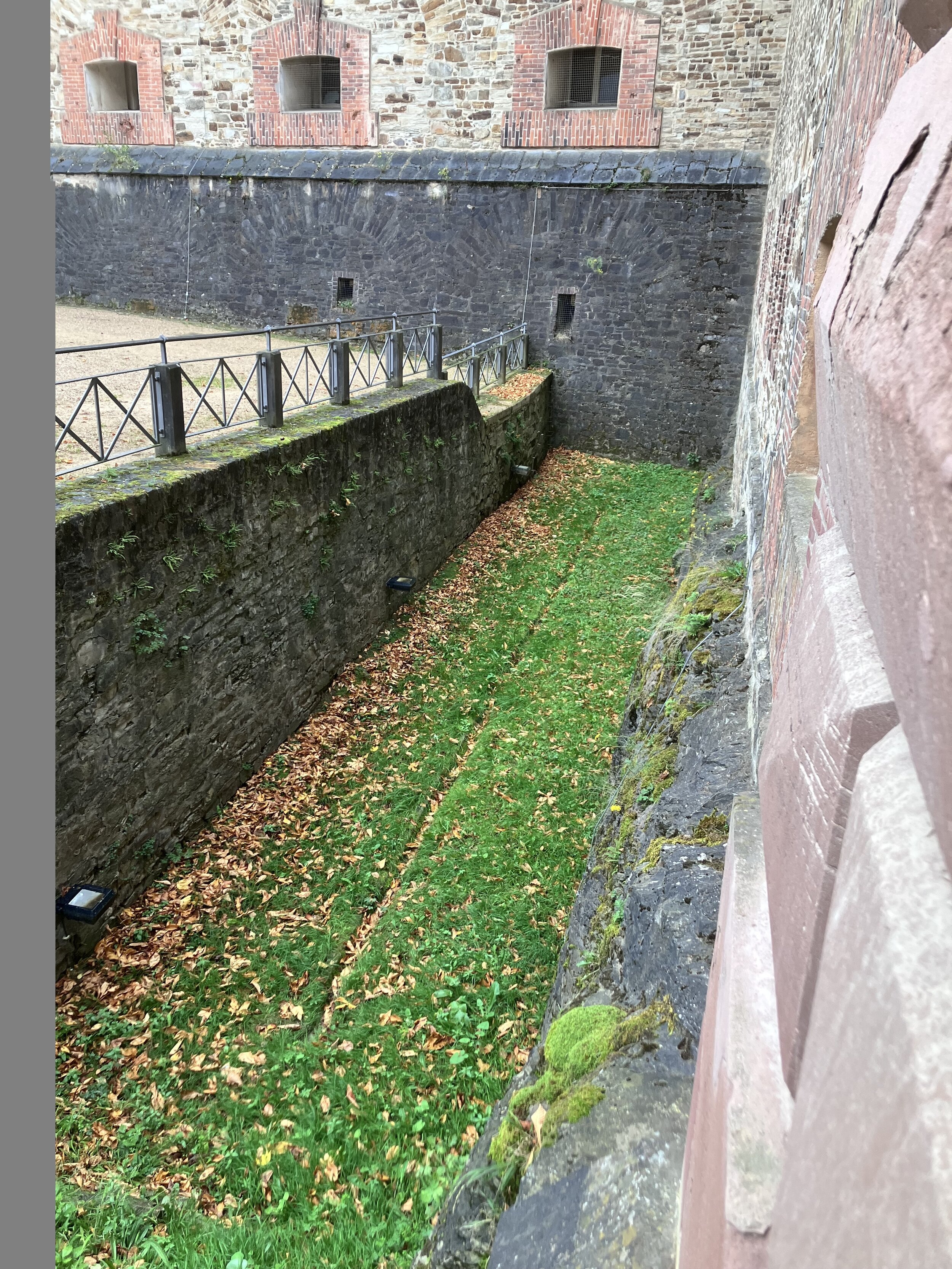
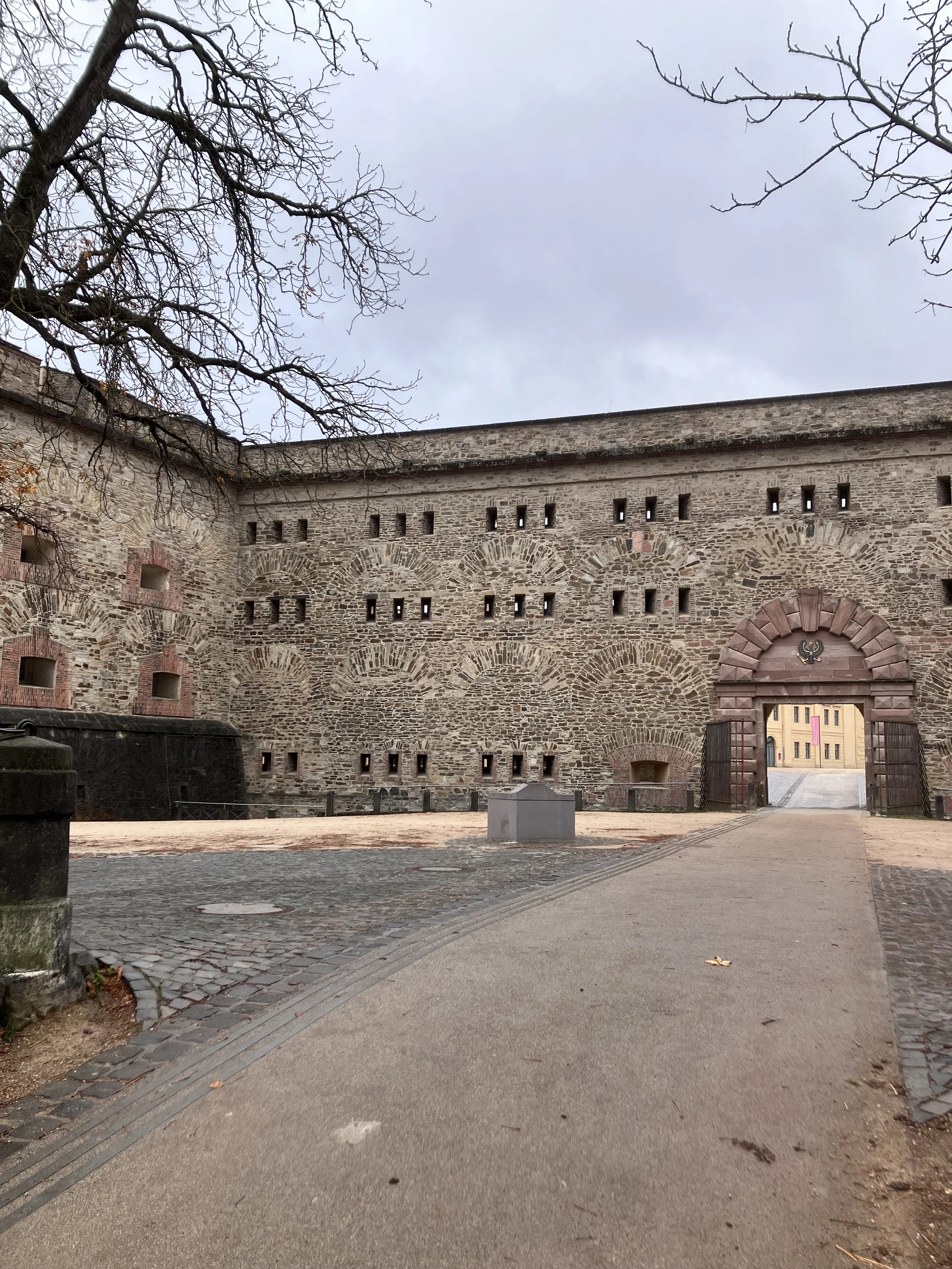
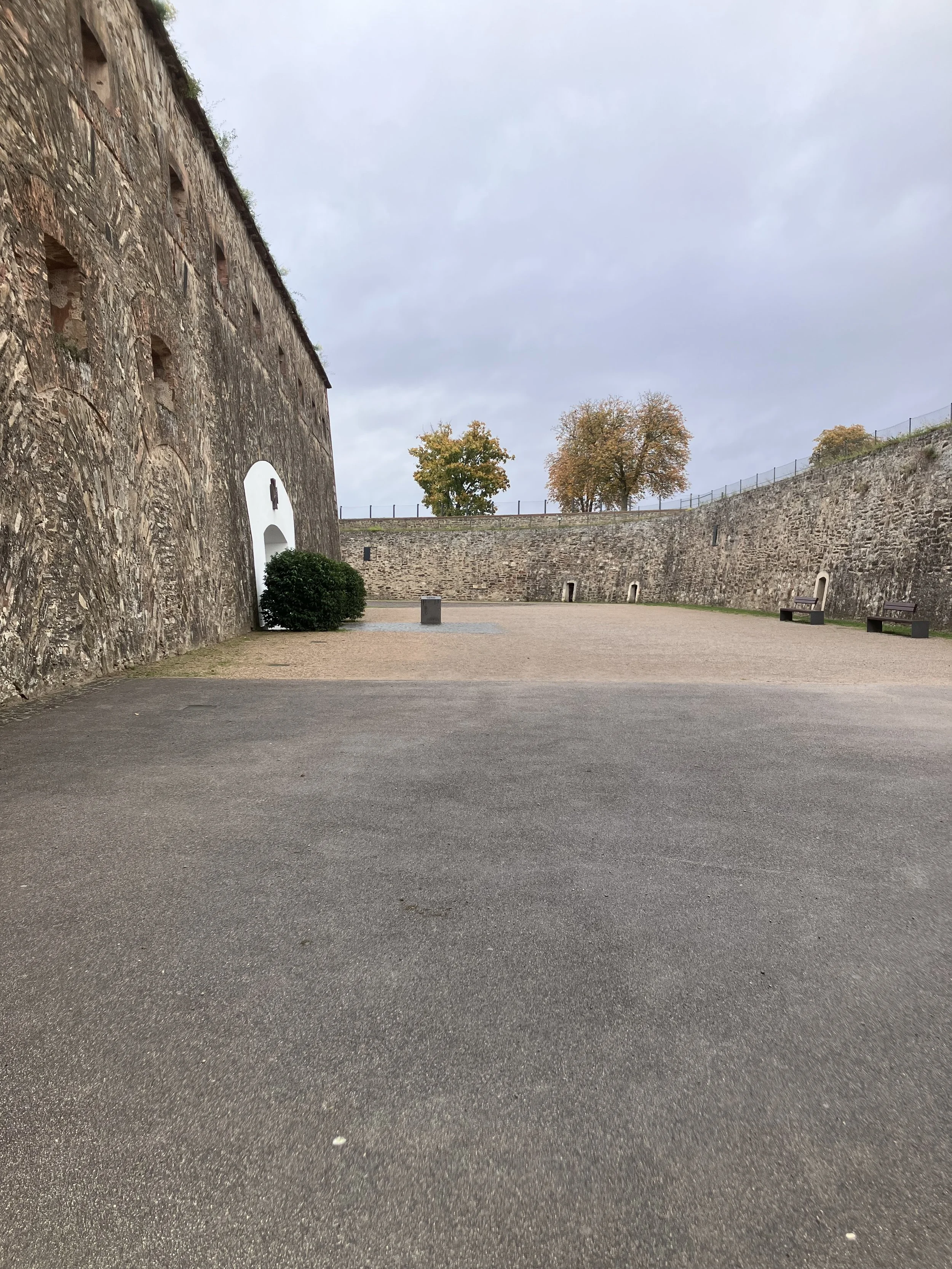
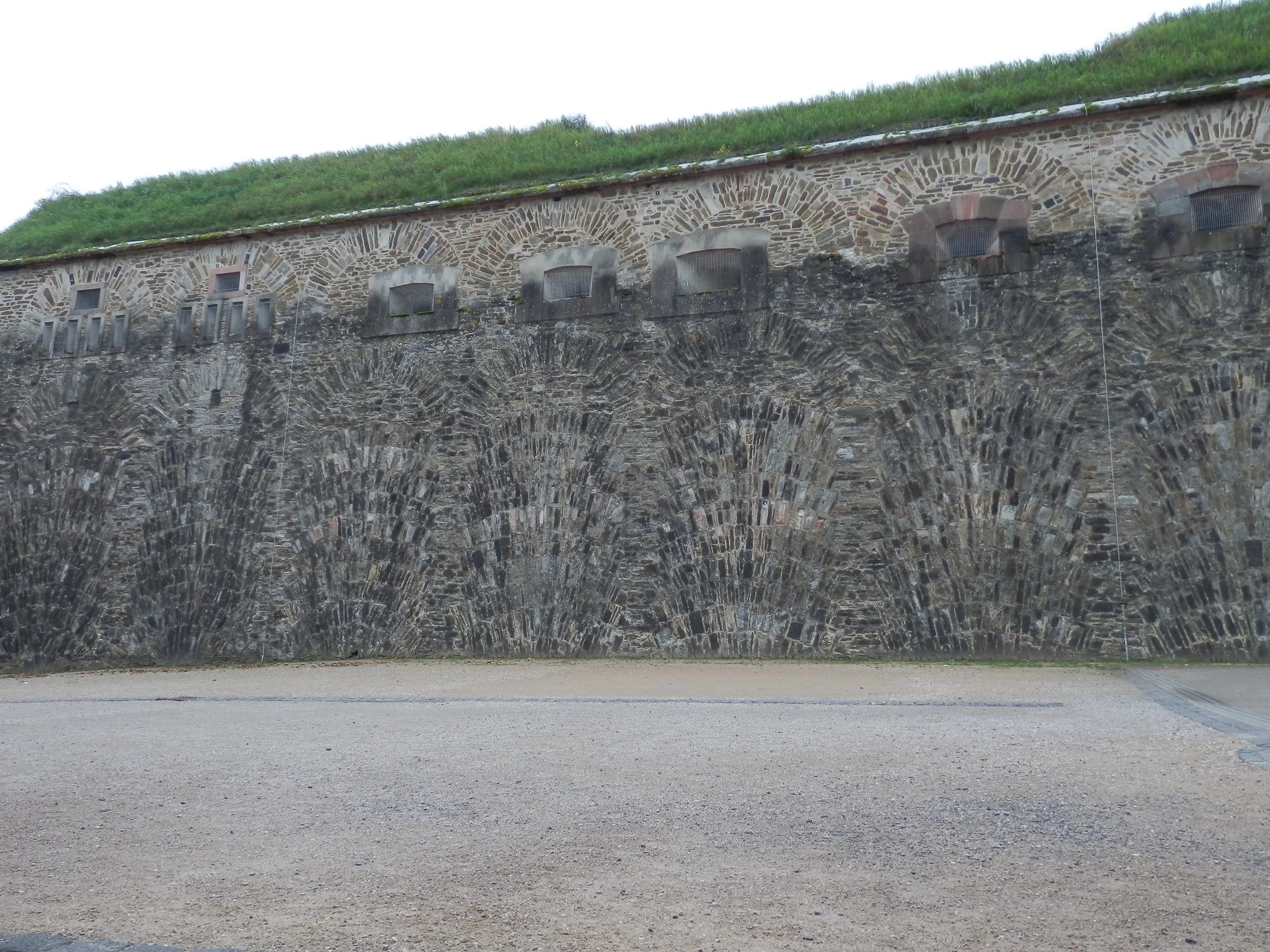
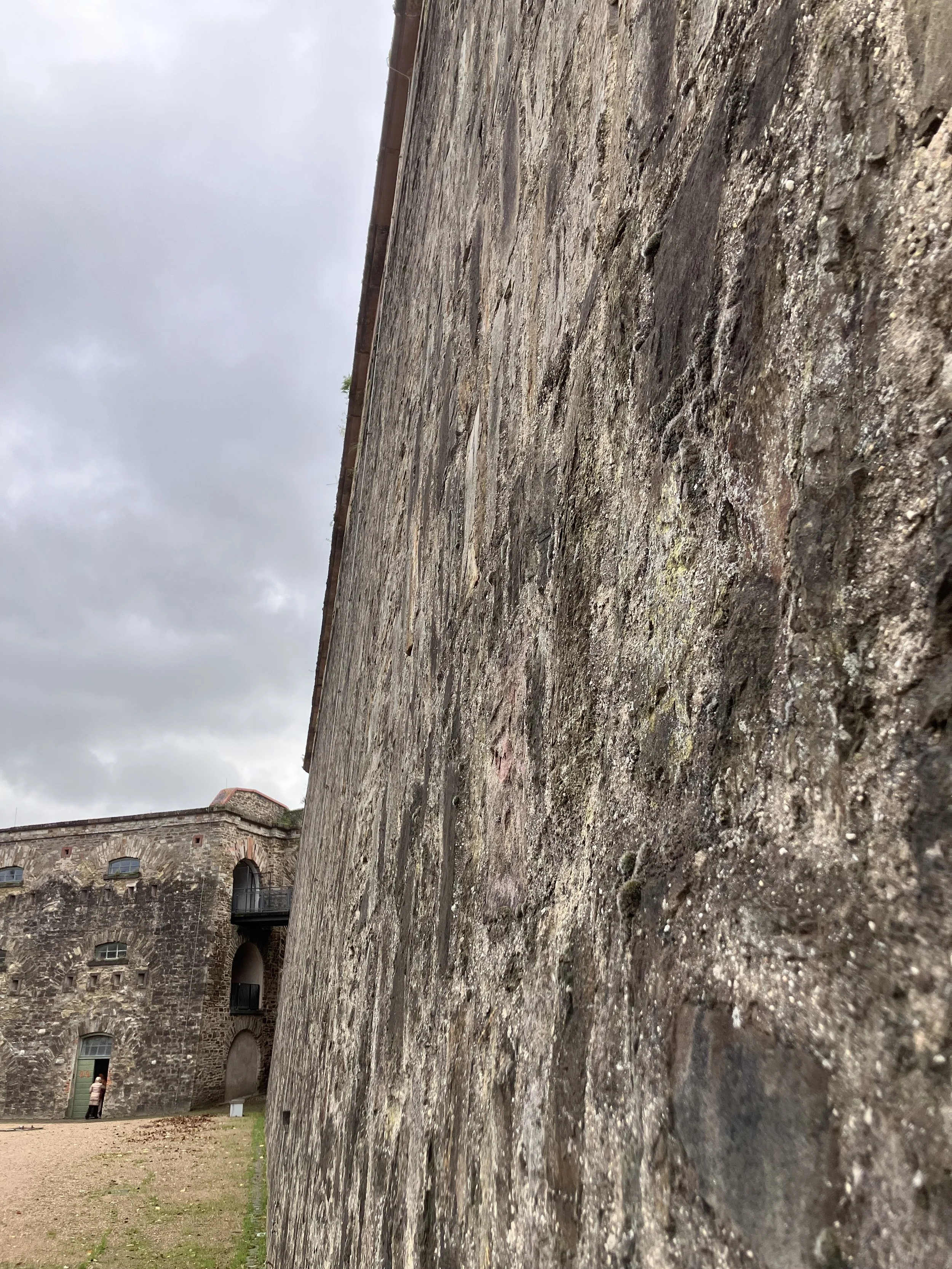
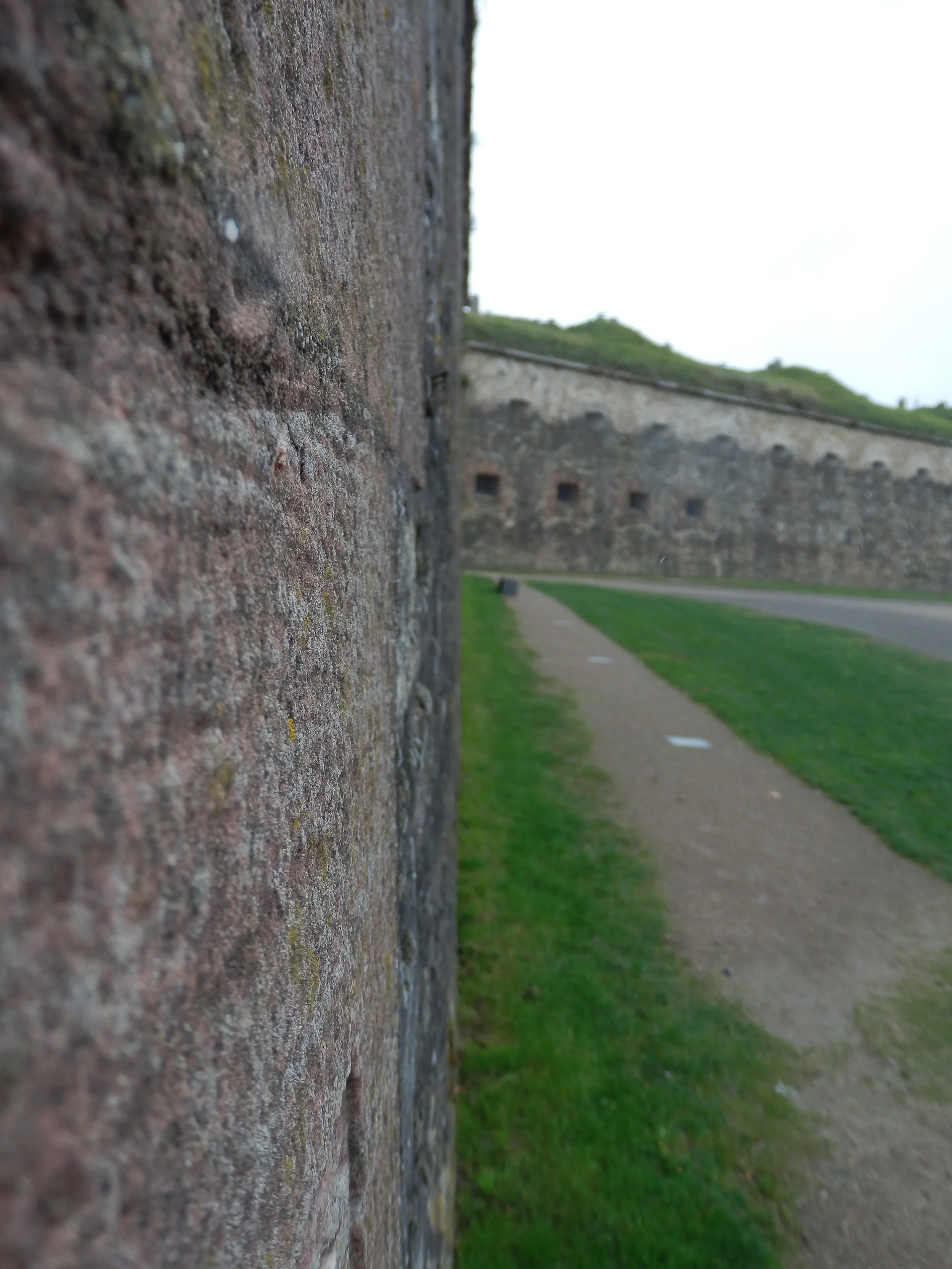
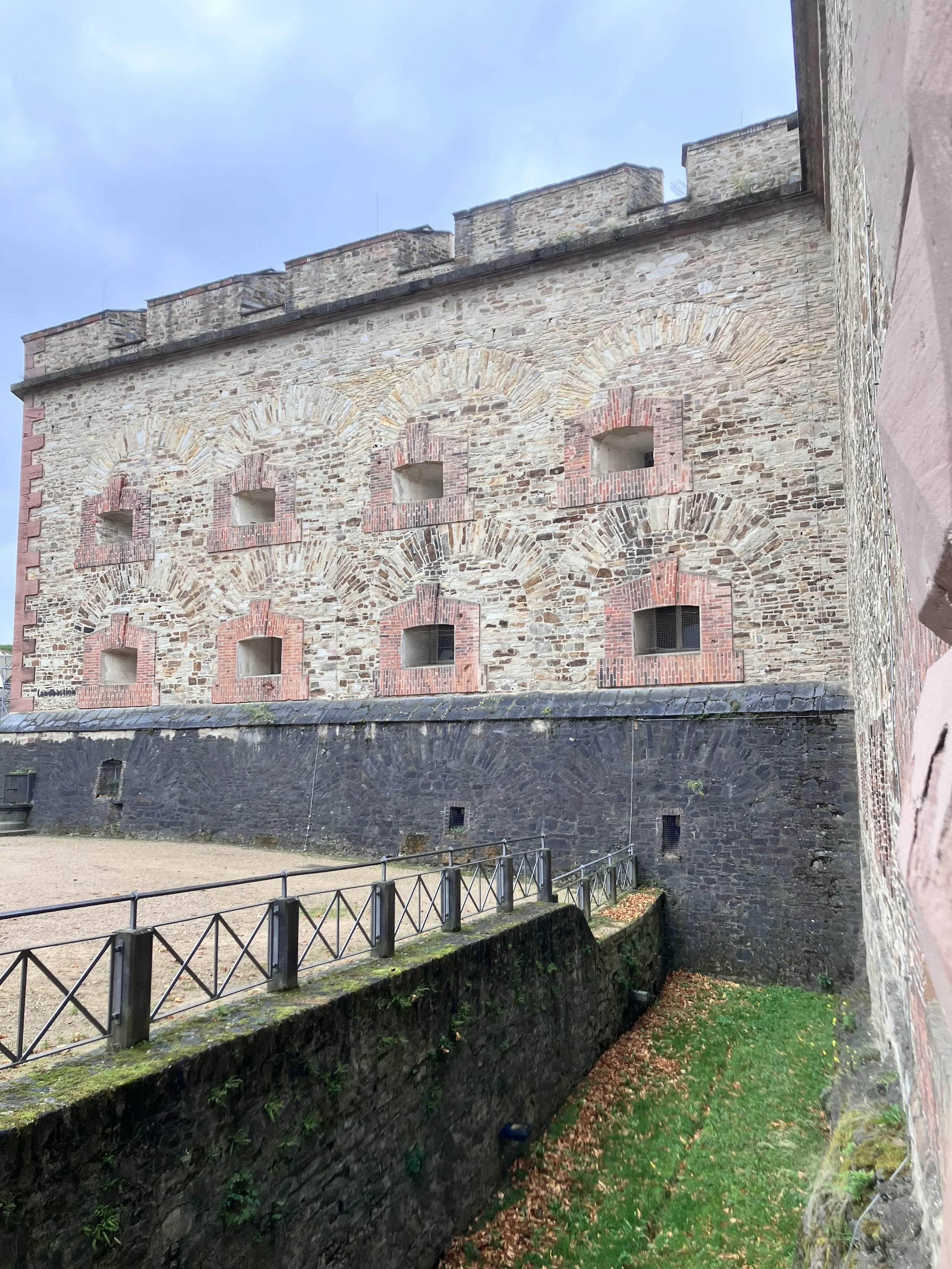
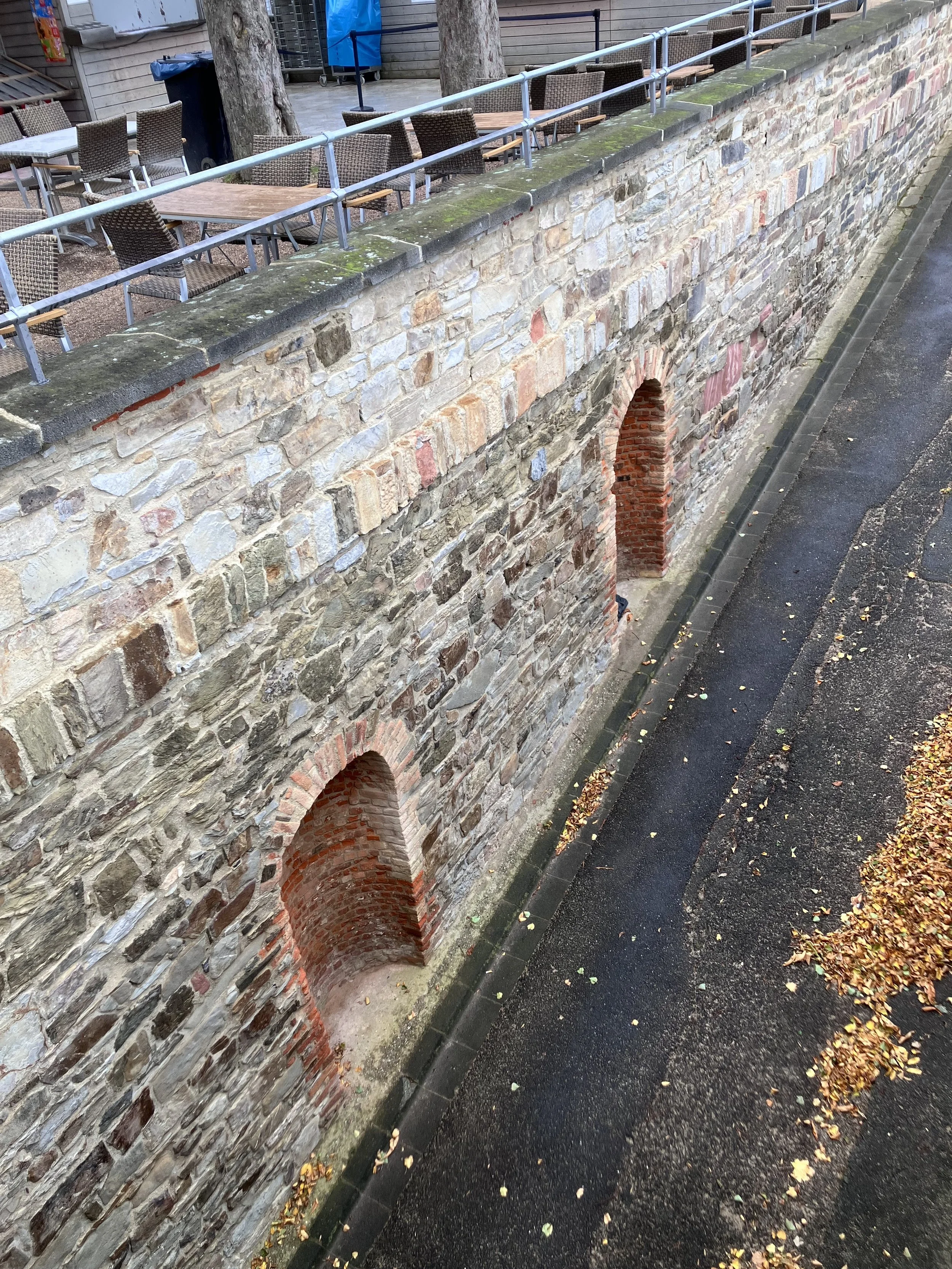
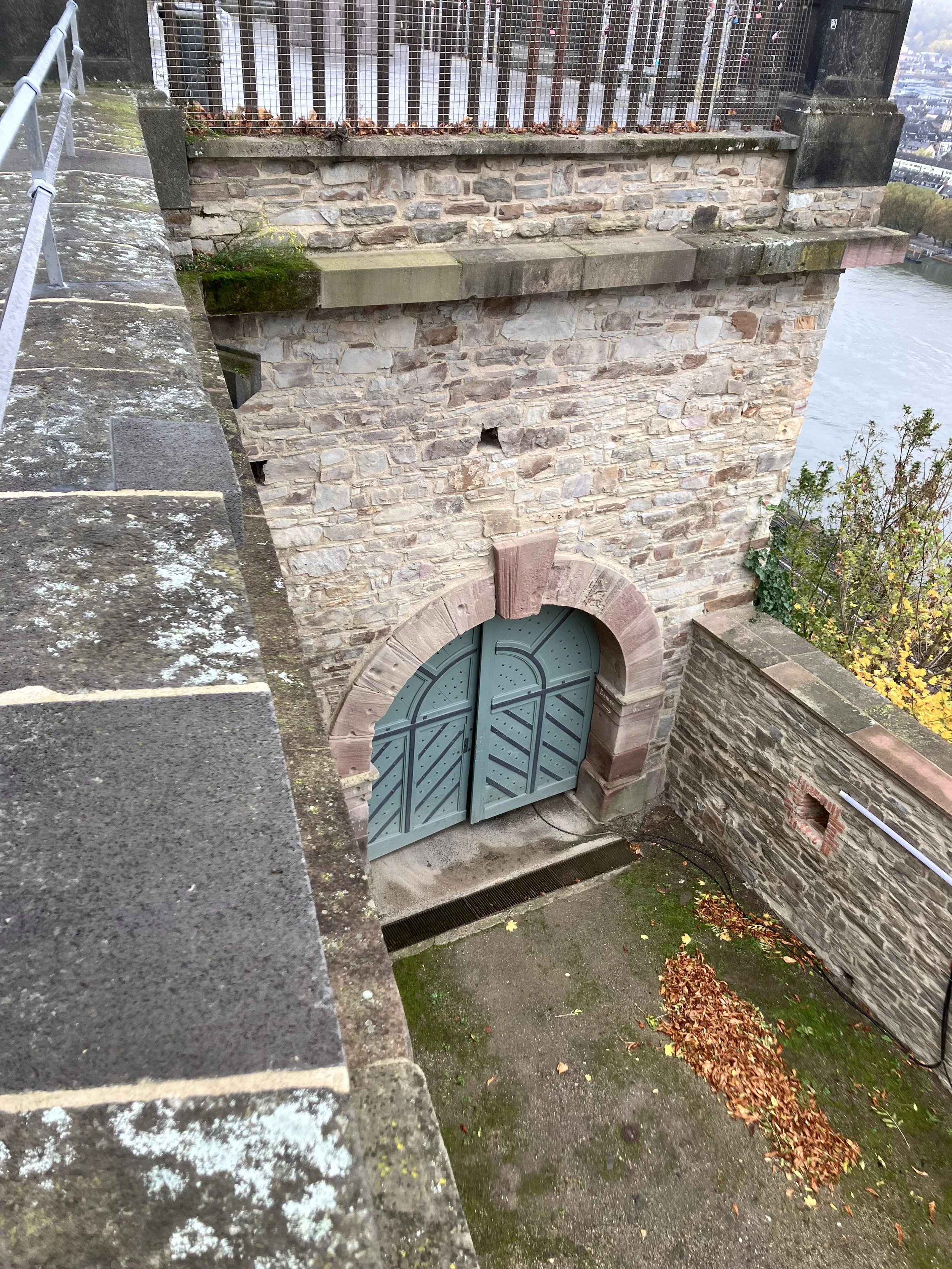
Kill zones and human entrapments. Copyright, pitchhawk, 2025. All rights reserved.
Beneath all this, the fort’s tunnels act as a real-time logistics network.
They’re invisible, elastic, indispensable and in many ways a lot like the fort’s own version of cloud infrastructure, carved by hand and designed to keep its strongest advantages completely out of sight. A smart IP strategy.
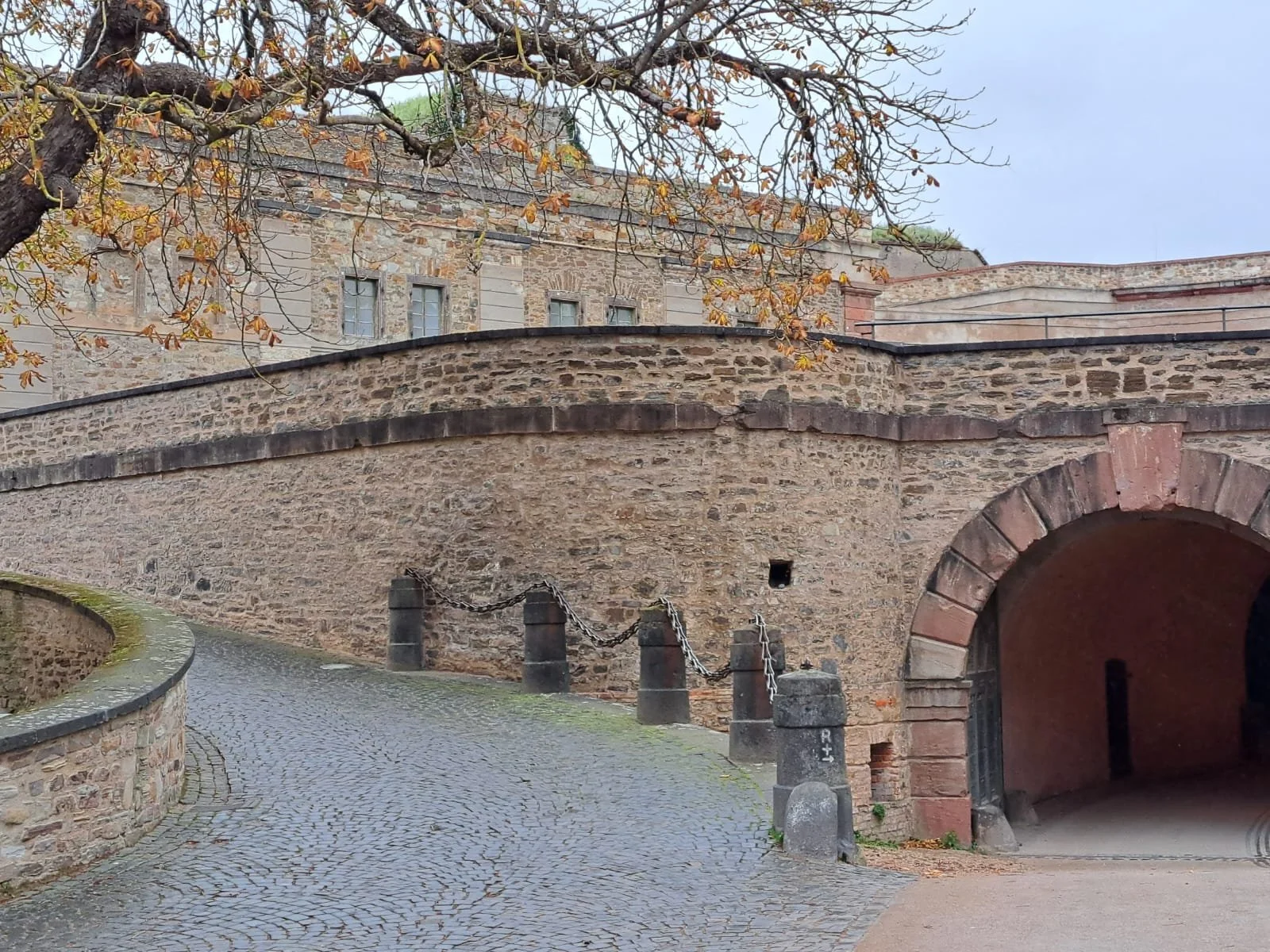
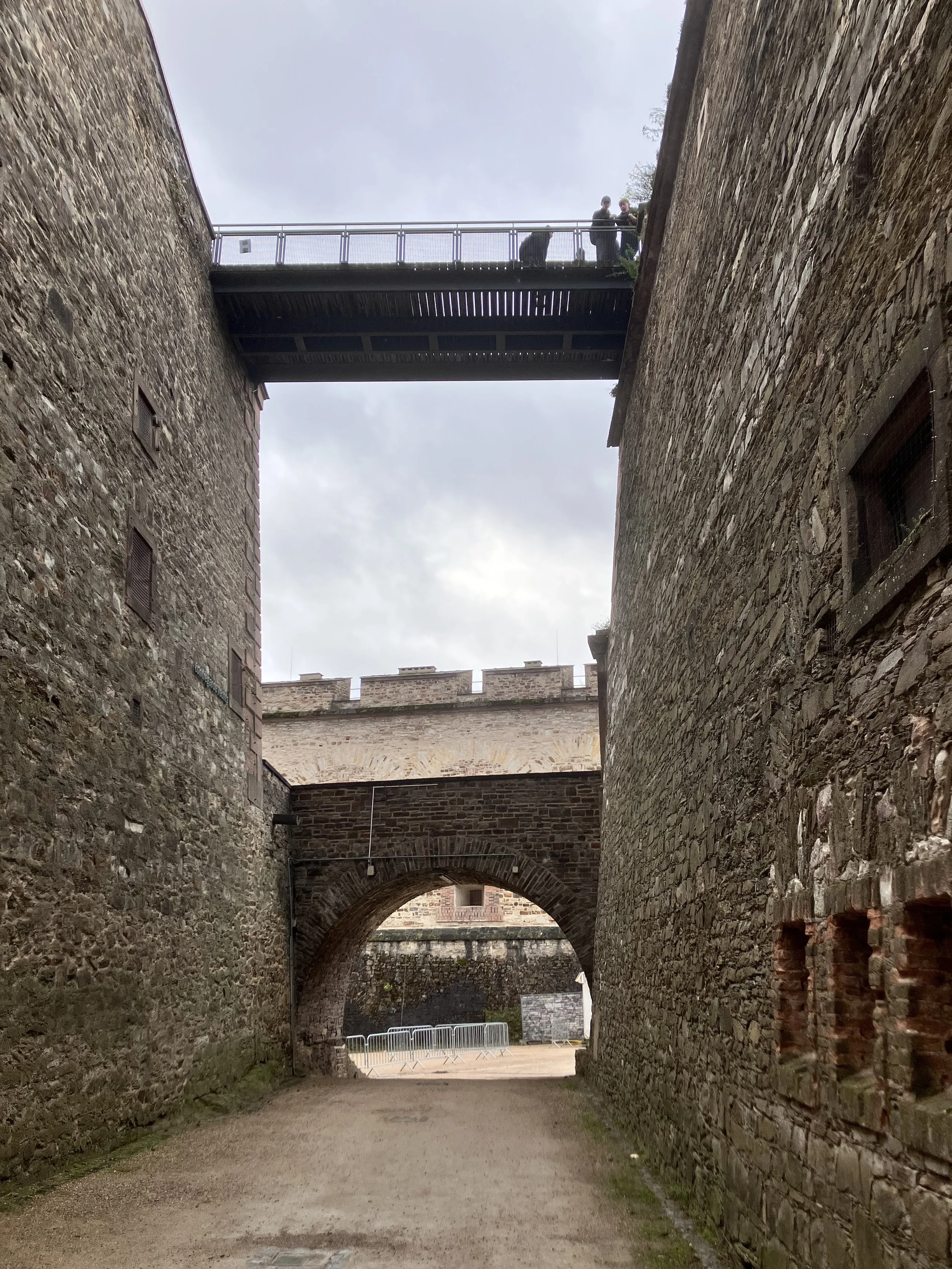
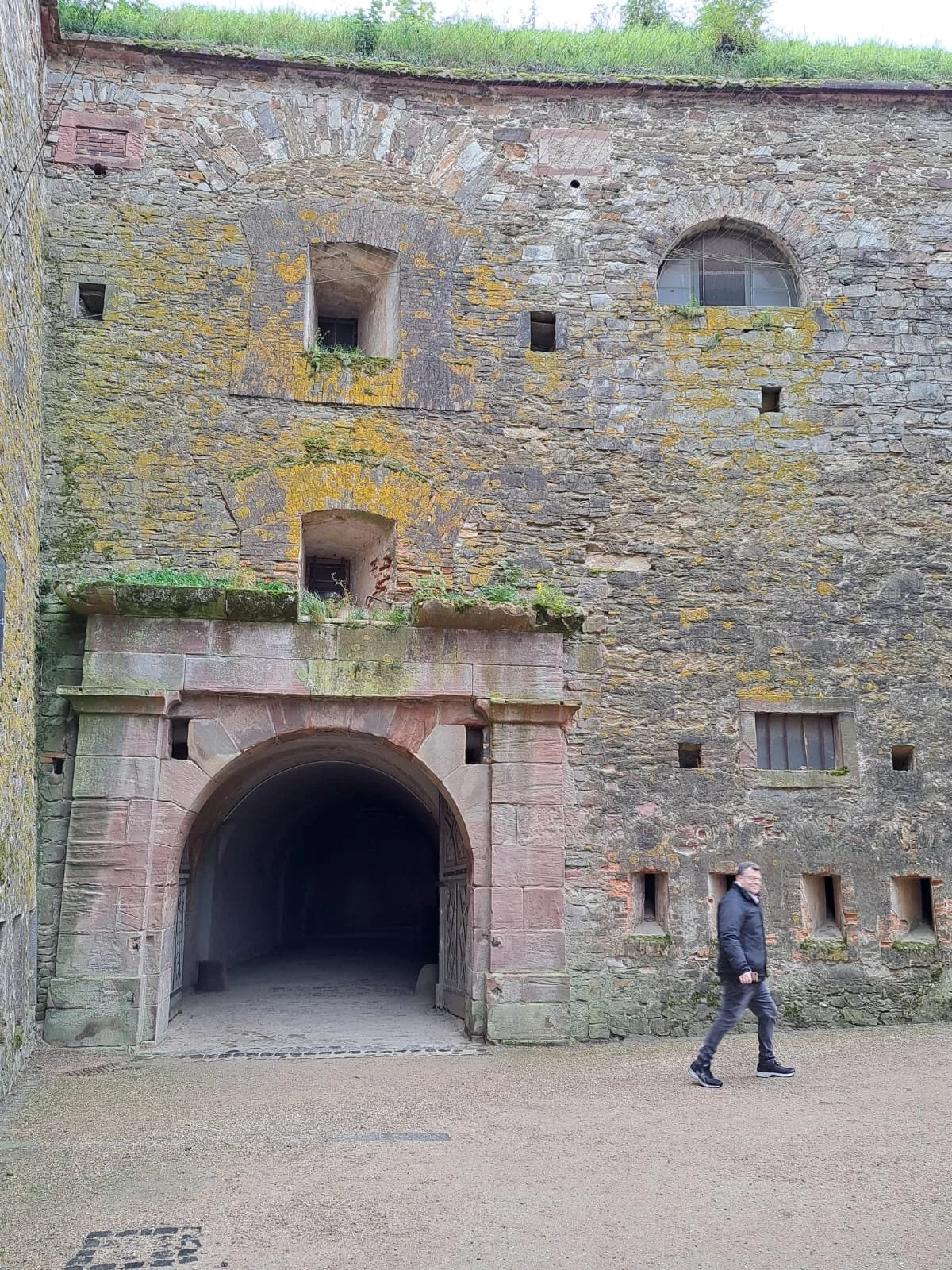
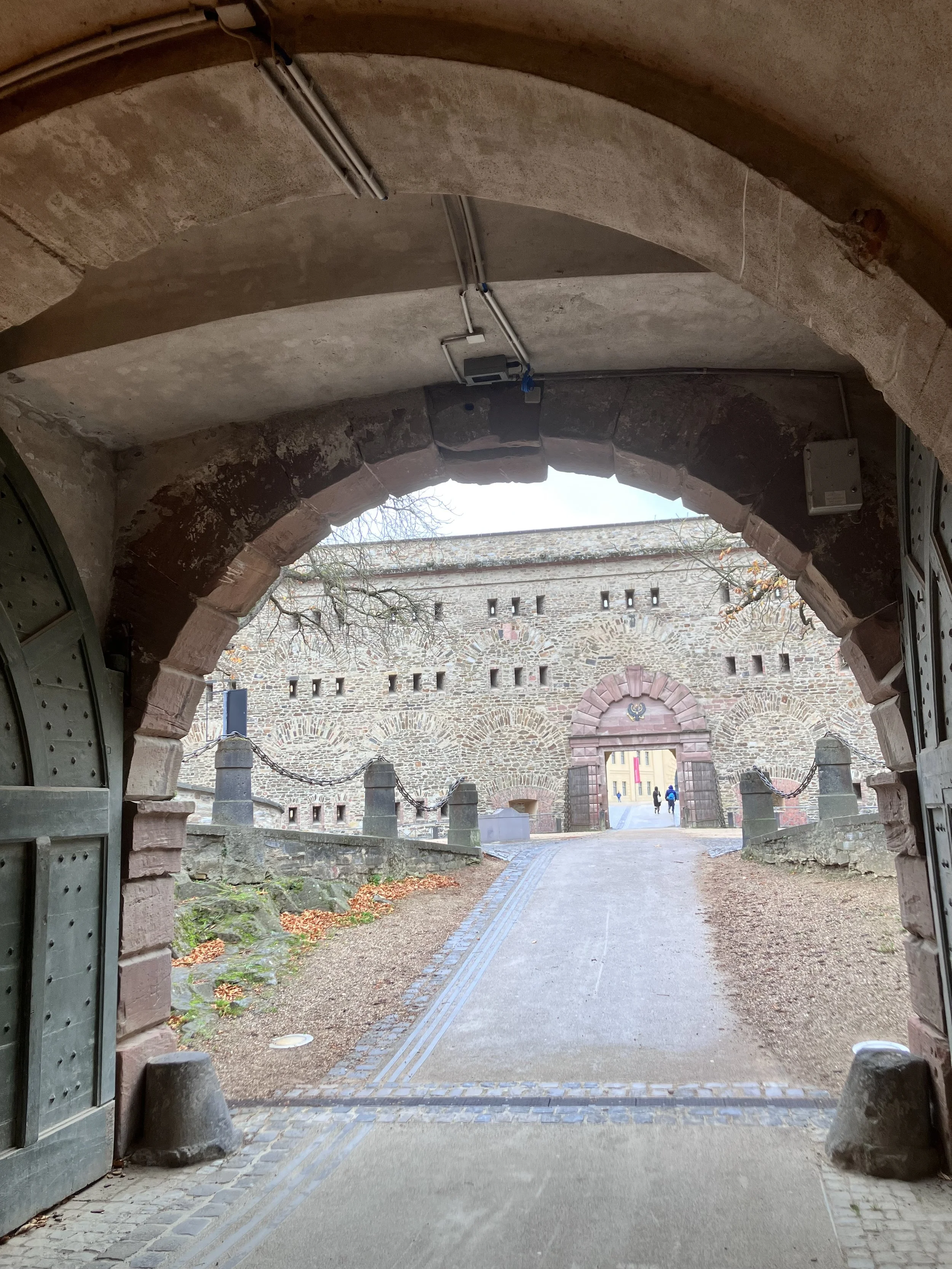

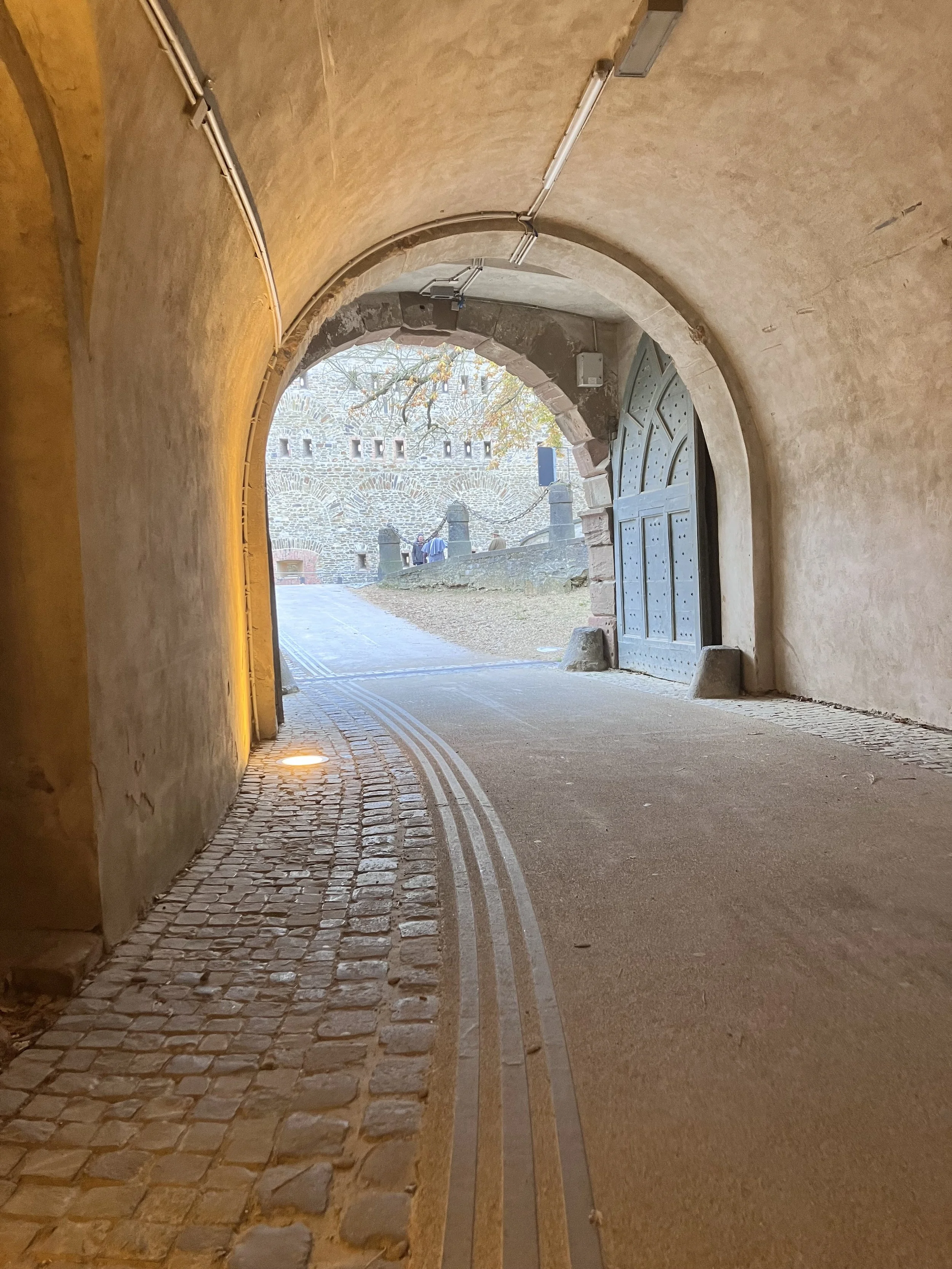
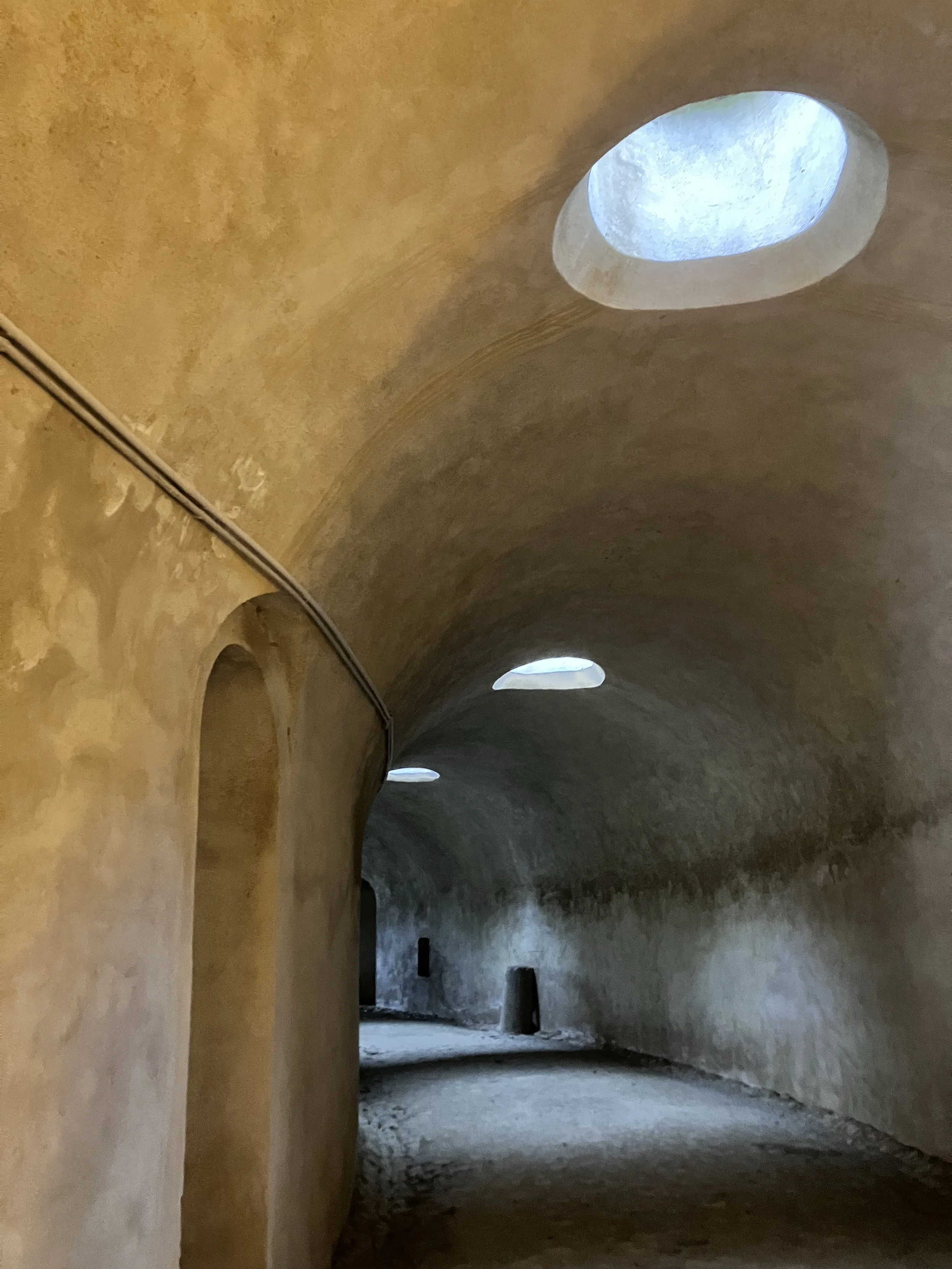
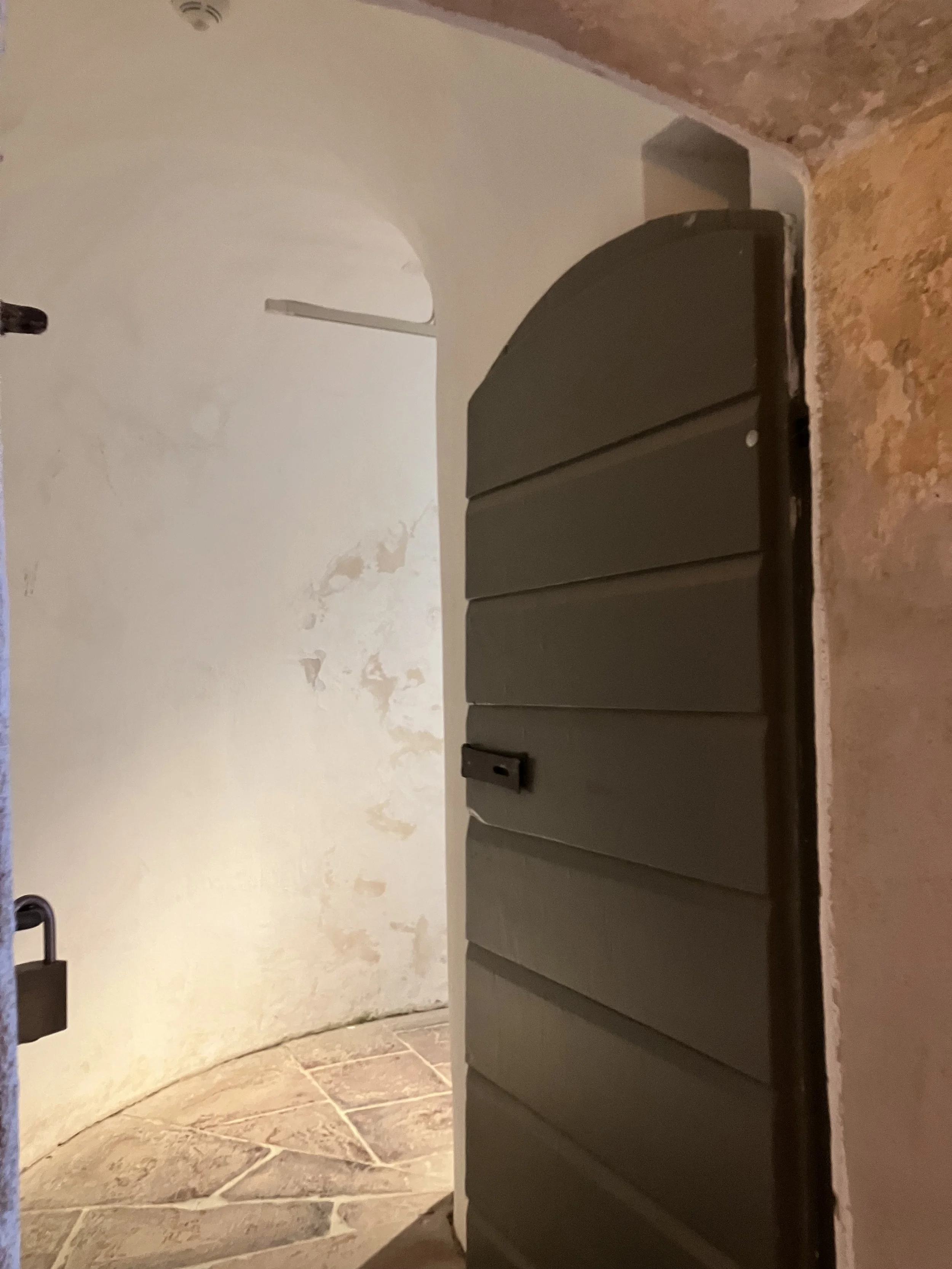
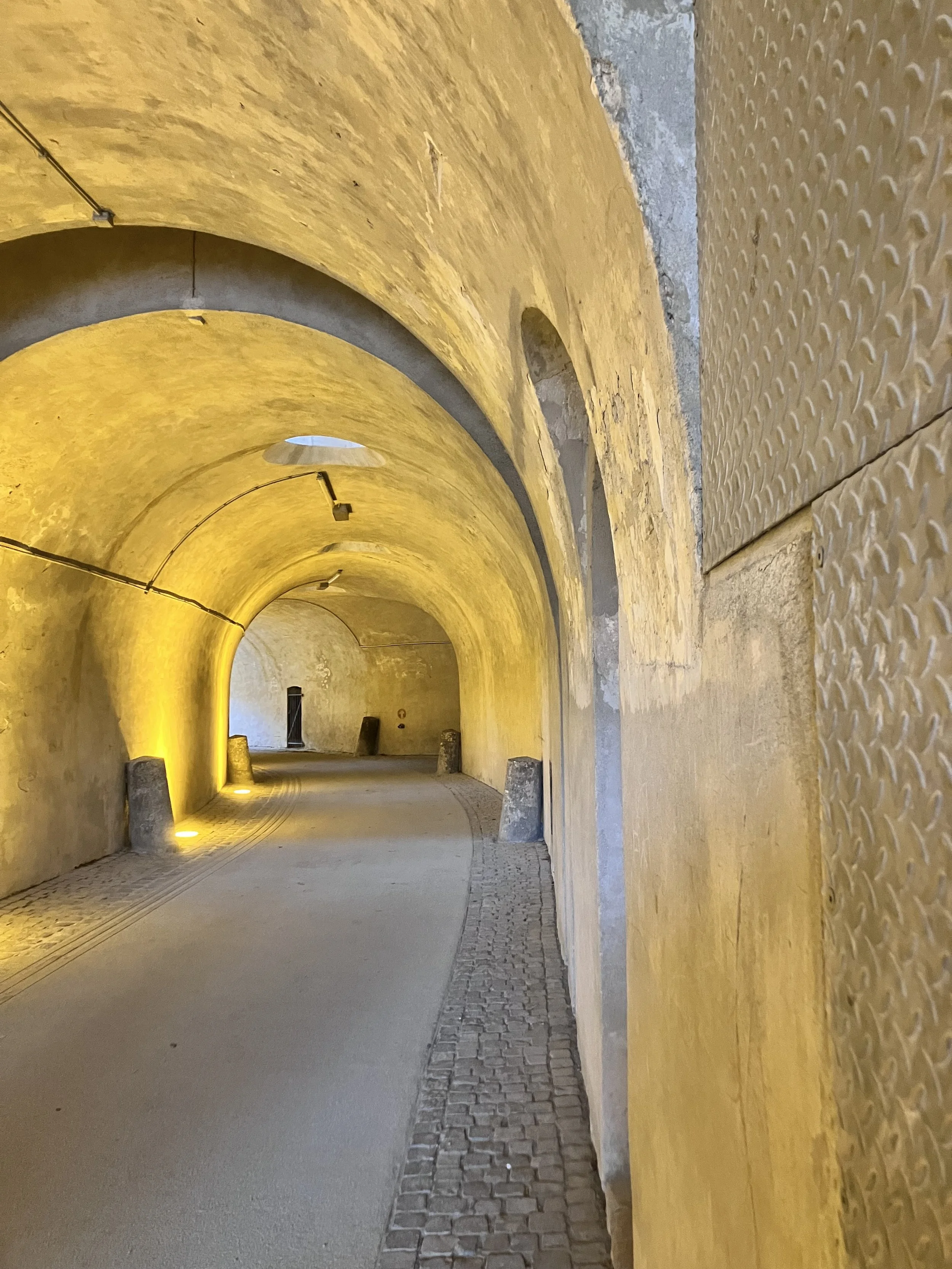
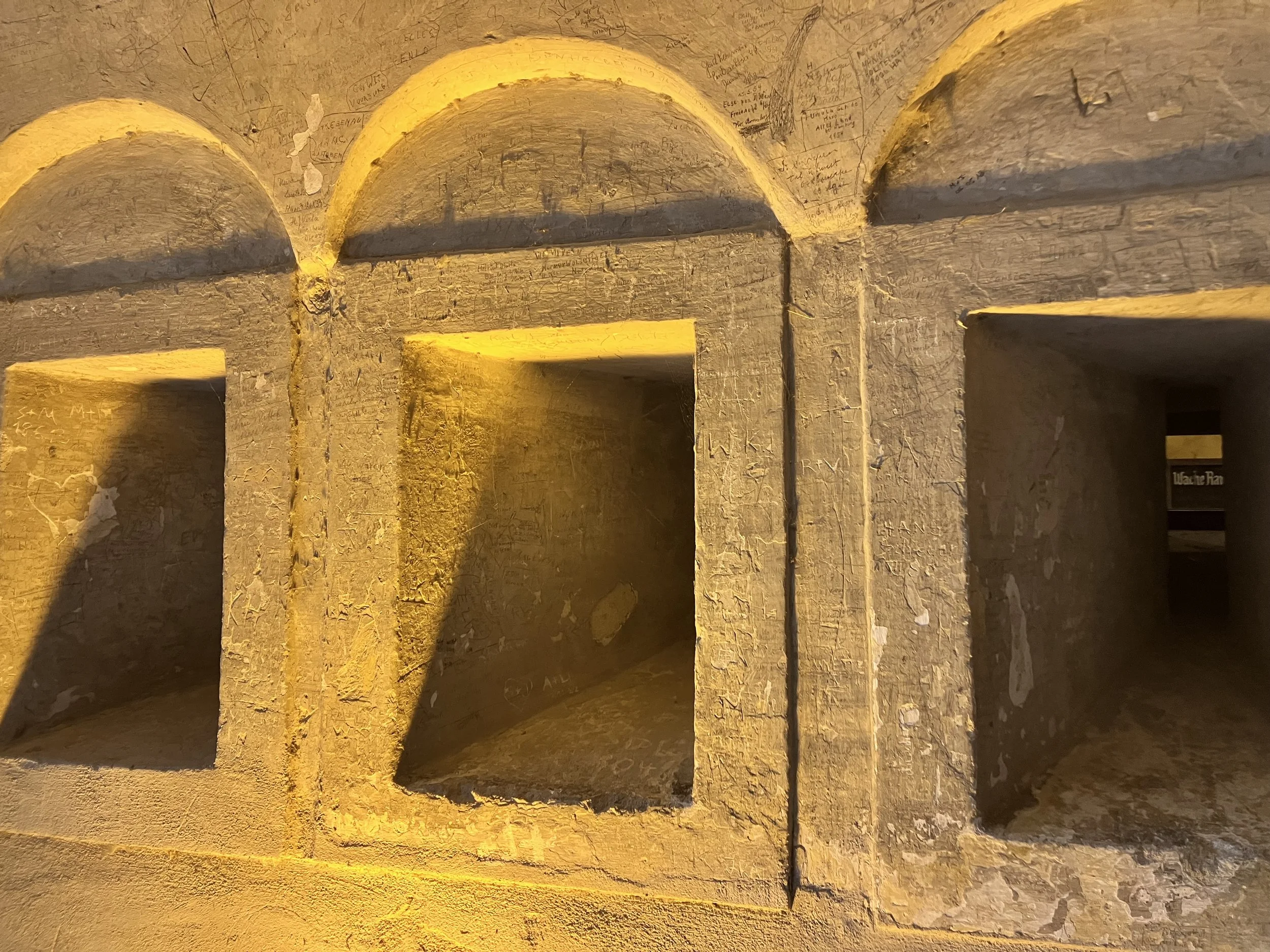
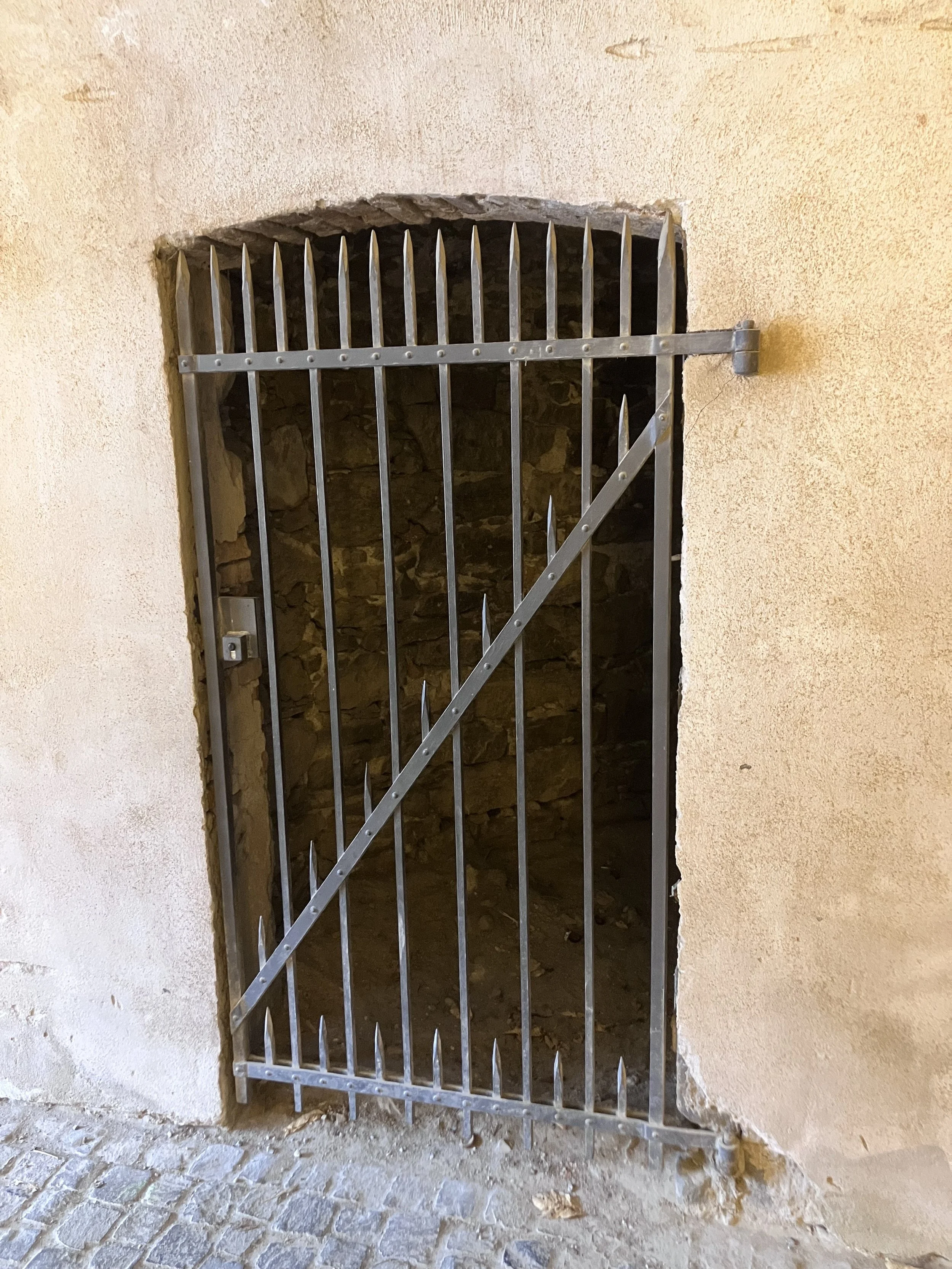
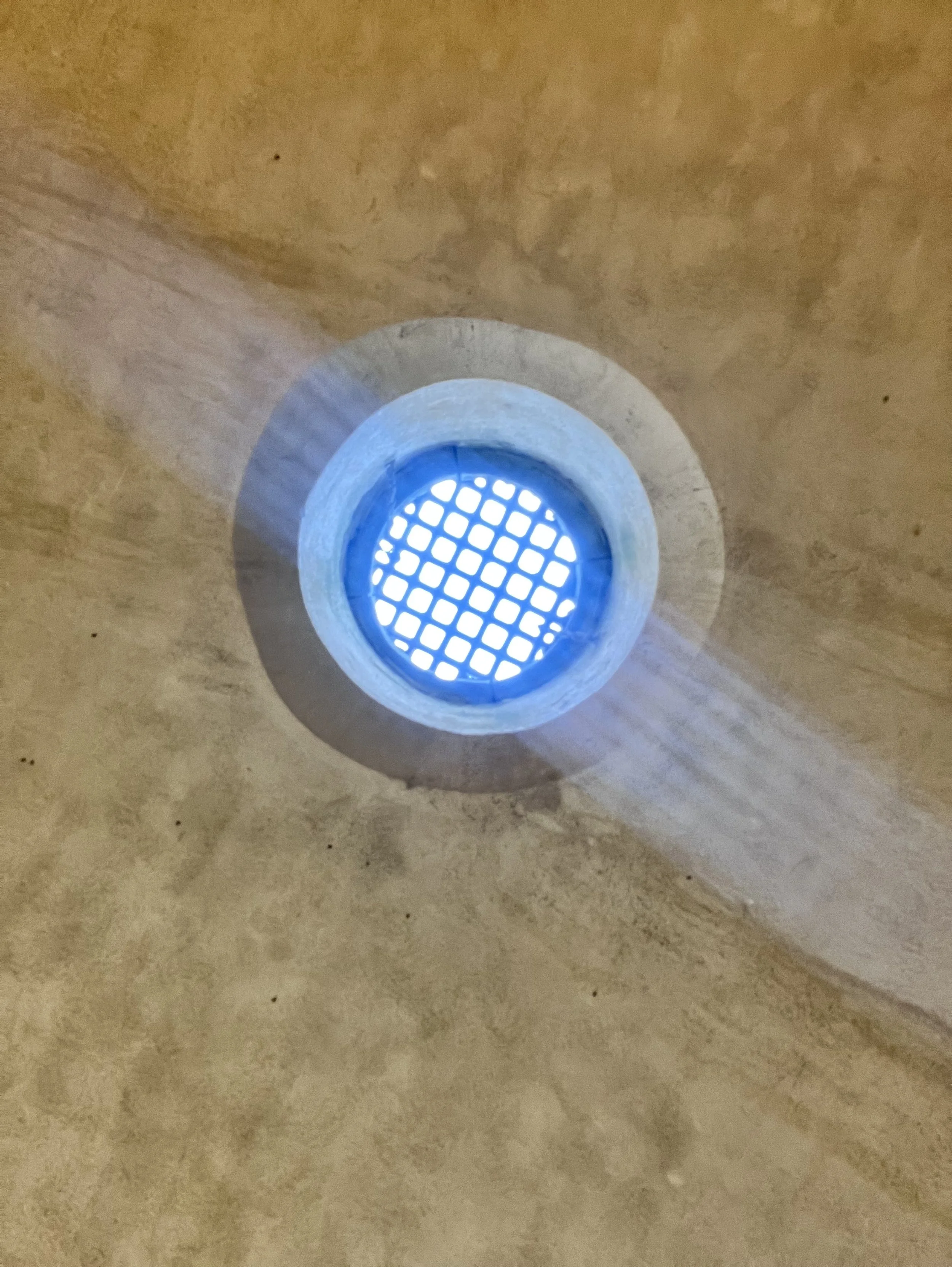
Scalable infrastructure. Copyright, pitchhawk, 2025. All rights reserved.
Add the high vantage point (where you can see “transactions” unfolding long before anyone else notices) and you end up with something close to a perfect early-warning system without the constant dashboard nagging.
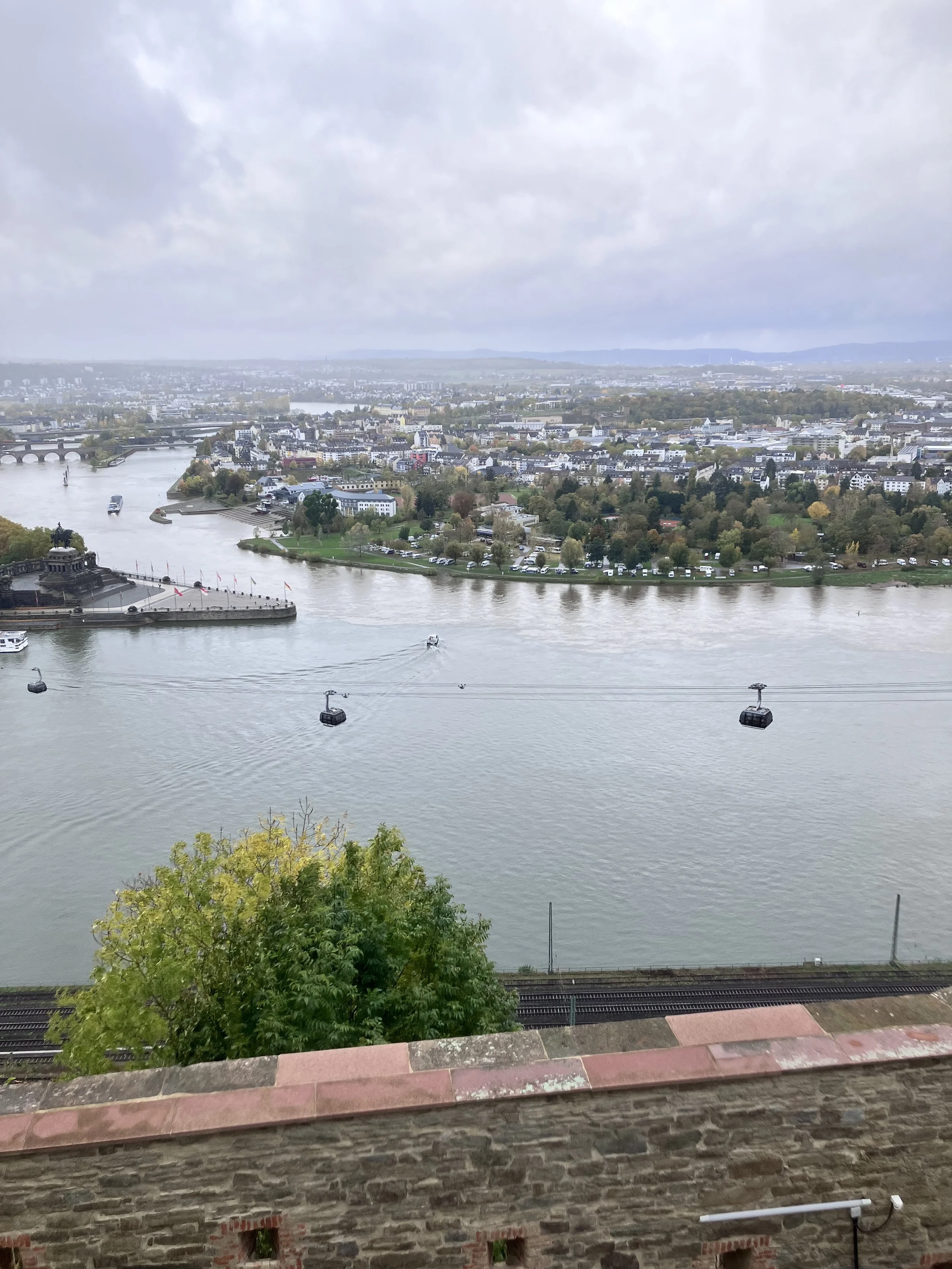
Perfect revenue predictability. Copyright, pitchhawk, 2025. All rights reserved.
And, of course, sitting close to the rivers means scale comes naturally when geography itself becomes your supply chain. A natural advantage in this case.
In short, every structural design choice made at Ehrenbreitstein reinforces a single idea, and that is that true dominance goes to the best positioned business with the most scalable infrastructure, the clearest visibility and predictability of trade, and the widest moat, literal or otherwise.
Why Ehrenbreitstein smashes other castles
Having spent weeks in the region studying the competition, I can confirm that there are some pretty good reasons why this fort outmuscles all the prettier river castles downstream, like all 40+ of them!
First, it secured the high ground before anyone else even realised what the market was.
Second, the first-mover position became the backbone of regional control, allowing long-term strategy to beat aesthetics every single time.
Third, its integrated infrastructure offered full oversight of trade and movement, with a level of visibility so complete that most CEOs today would trade their entry to the Chairman’s Lounge to get their hands on it.
As a command hub, which is the fourth reason, it coordinated its neighbouring sites like a tightly networked enterprise, enabling operations to scale without friction, drama, or the medieval equivalent of a project management crisis.
And finally, its multi-moat system created a depth of defence that made the whole region easier to manage than to attack. So, nobody bothered, preferring to submit and pay the toll.
Marksburg, Katz, and Maus are beautiful, no question. But Ehrenbreitstein is an impregnable marketplace HQ that’s purpose-built to dominate by existing in the right place with the right systems and the right perspective.
Lessons for innovation founders, leaders and investors
Ehrenbreitstein isn’t just an impressive collection of stone. It’s the clearest physical metaphor for sustainable strategy you’ll find outside a business playbook.
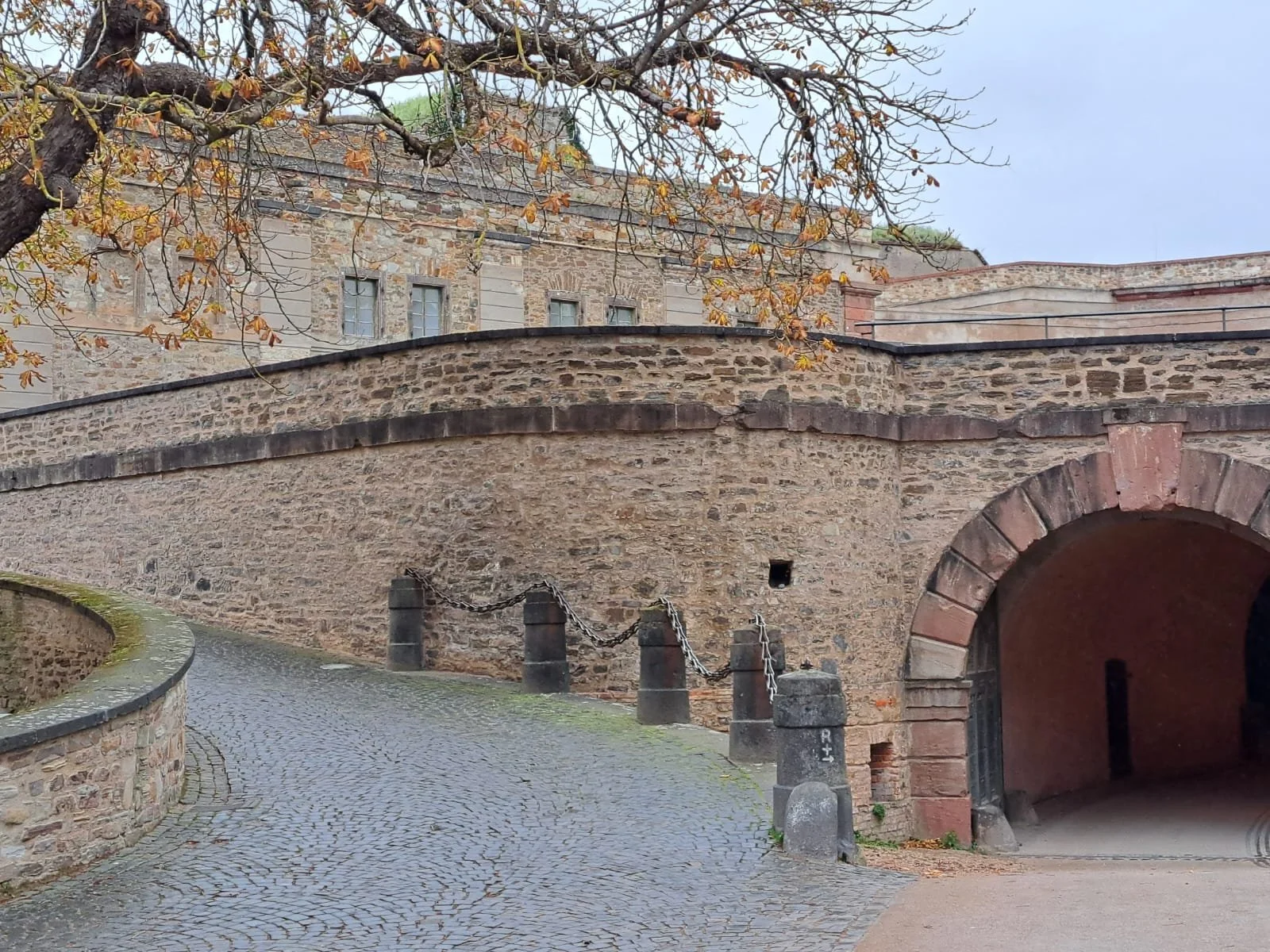
Reporting for duty. Copyright, pitchhawk, 2025. All rights reserved.
Lesson: Location becomes leverage when you place yourself at the gateway to your market, just as Amazon does digitally and just as the fortress did physically. And controlling the gateway means you don’t just observe the market. You become the market and the place everyone passes through, willingly or not. Question for you: Are you building your solution in a location with perfect visibility of trade, and close to, if not on top of your supply lines?
Lesson: Visibility becomes power when you can see trade and market shifts developing in real time rather than waiting for a report to tell you what you missed. Question for you: How far out can you see? Is your revenue predictable?
Lesson: Infrastructure becomes elastic when your systems flex with demand before anyone starts talking about strain. Question for you: Do your costs go up with your revenues, or have you designed your fortress with Ehrenbreitstein scale?
Lesson: Layer your defences, i.e., your redundancies, your moats, your hard-to-replicate capabilities gives you the depth that competitors can’t bypass or imitate cheaply. Question for you: How have you designed these defences into your business model?
Standing on the hill, watching the Moselle merge into the Rhine, the message to me was simple: dominance isn’t luck. It’s the natural outcome of location, design, infrastructure, defensibility, and systems that scale even if they’re invisible to the naked eye (or prisoner).
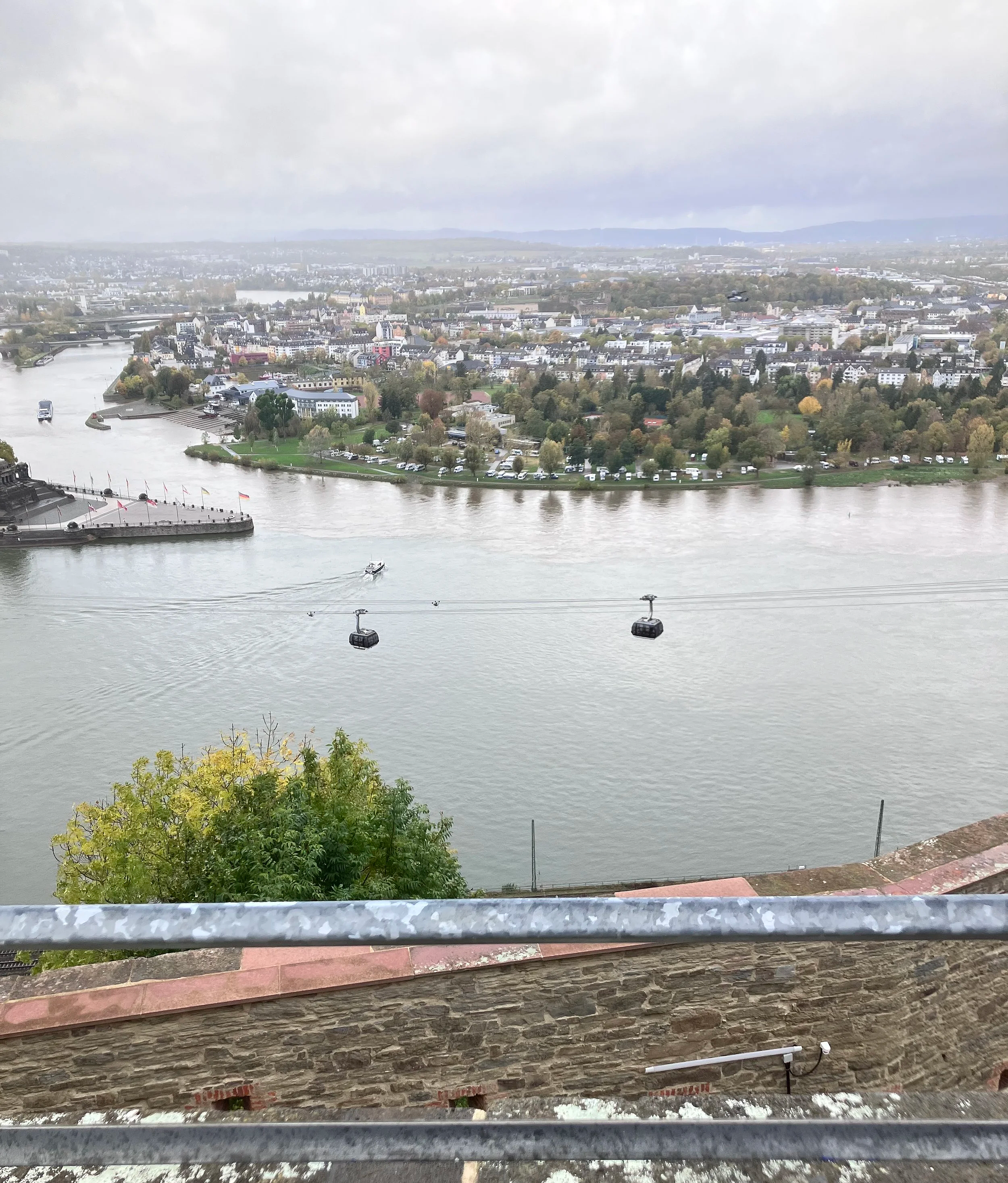
Charming Koblenz. Copyright, pitchhawk, 2025. All rights reserved.
Being Ehrenbreitstein
Founders and innovation leaders developing new products and services can apply these principles without the mud, the stonework, or the medieval sanitation concerns.
🏰 Find your confluence (the place where customers, supply, and value naturally gather) and take that position before anyone else appreciates how valuable it is.
🏰 Build infrastructure that bends rather than breaks when demand surges or competitors misstep.
🏰 Establish visibility across your landscape so you’re reacting early while others are still playing with vacuous slide decks and befuddling IMs.
🏰 Control the gateway to your sector so the market flows through you because that’s simply the most efficient route.
🏰 Layer your advantages over time so your strategic depth compounds quietly in the background.
Build your fortress
If you were to walk Ehrenbreitstein today, the modern blueprint would become obvious to you. A marketplace hub, operational moats, strategic visibility, and enduring advantage.
But Koblenz doesn’t have to be on your travel list. pitchhawk translates these fortress principles into practical guidance for your innovation business, no matter whether you’re in startup or scale-up mode, or at the mid-market growth, IPO, merger or exit stage.
No matter the stage, together we will refine and complete your blueprints, strengthen your investment thesis, and catch the attention of investors, financiers, partners and buyers—without ever needing to dodge medieval debris.
Next week? Marksburg Castle. A daintier sentinel over the Upper Middle Rhine, and proof that strategy doesn’t always need to be brutal. Sometimes, it’s elegantly sharp, confidently understated, and delivered with just the right amount of cheek.
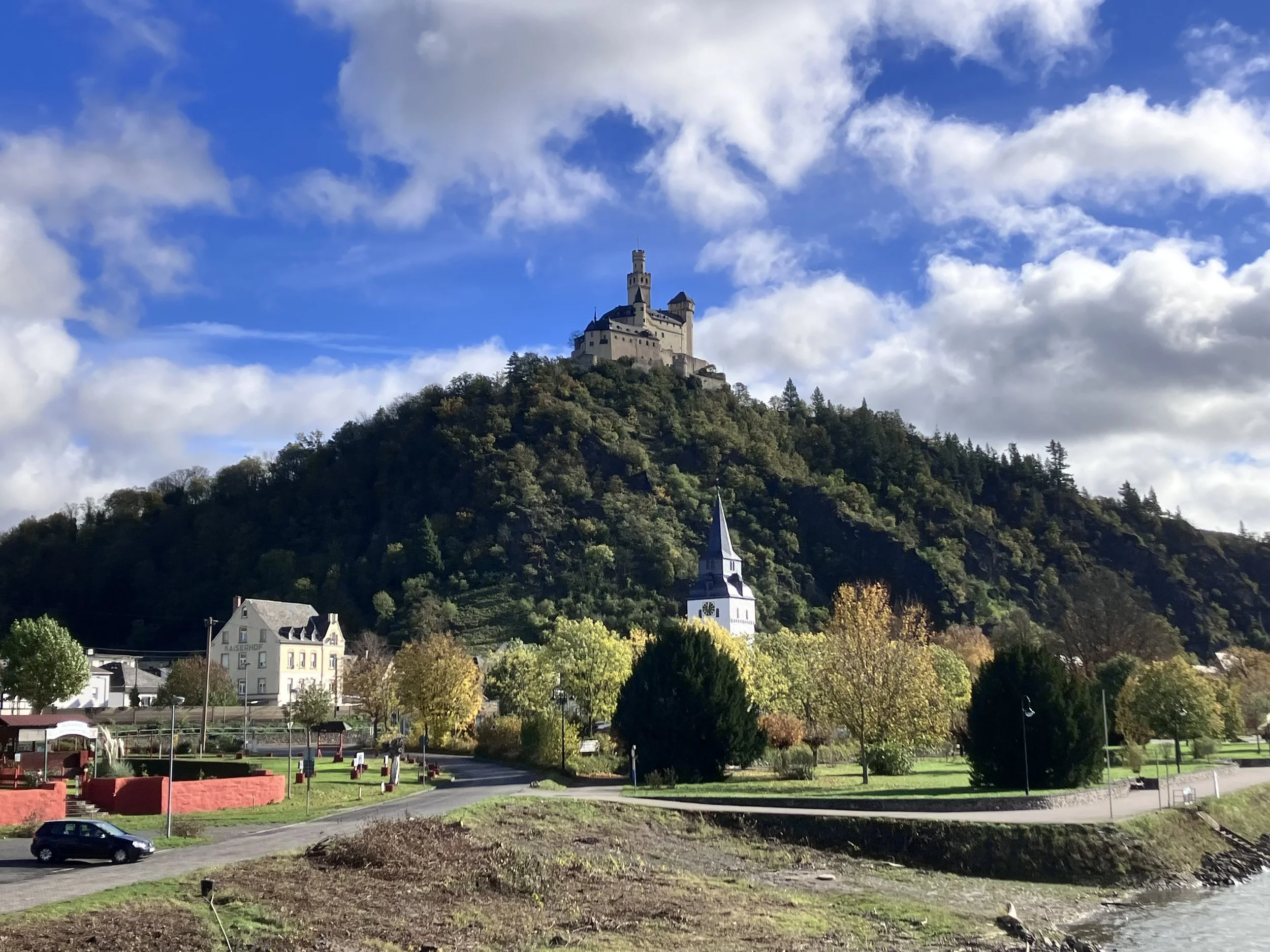
Medieval Marksburg. Copyright, pitchhawk, 2025. All rights reserved.
Mike Ganon, Hawk1
pitchhawk exists to bridge the gap between innovation and investability. We transform innovations into fortress-strength, investable businesses by helping innovation leaders build the commercial foundations and investment cases most programs, processes, and sell-side advisors never address.
Led by tech-enabled humans, pitchhawk applies an investor lens from day one—so your business and investment proposition is built to withstand real scrutiny, not just look ready for it.

Transforming innovations into investable businesses—smarter, stronger, faster 💨
Copyright, pitchhawk, 2025. All rights reserved.