
Lessons from the great fortresses of Europe—Part 8—Fort Saint-André, Villeneuve-lès-Avignon: “Guardian of the kingdom”
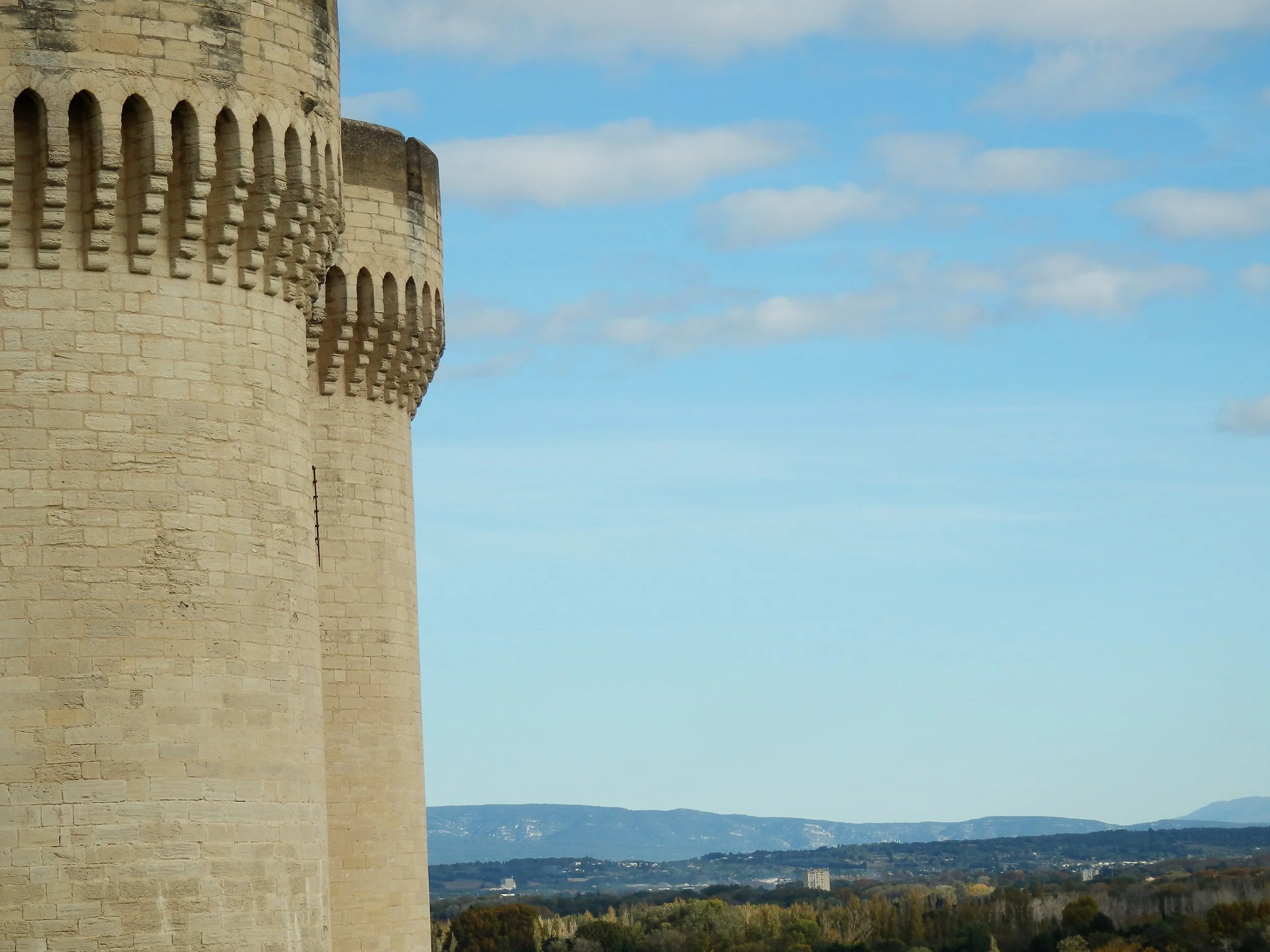
The Twin Towers of Villeneuve-lès-Avignon. © pitchhawk, 2026. All rights reserved.
The late afternoon sun casts long shadows across the Rhône, illuminating Villeneuve-lès-Avignon and its ancient fortress.
And it’s there that the Twin Towers, or the Royal Châteaux of Fort Saint-André, rise majestically out of deep green olive groves.
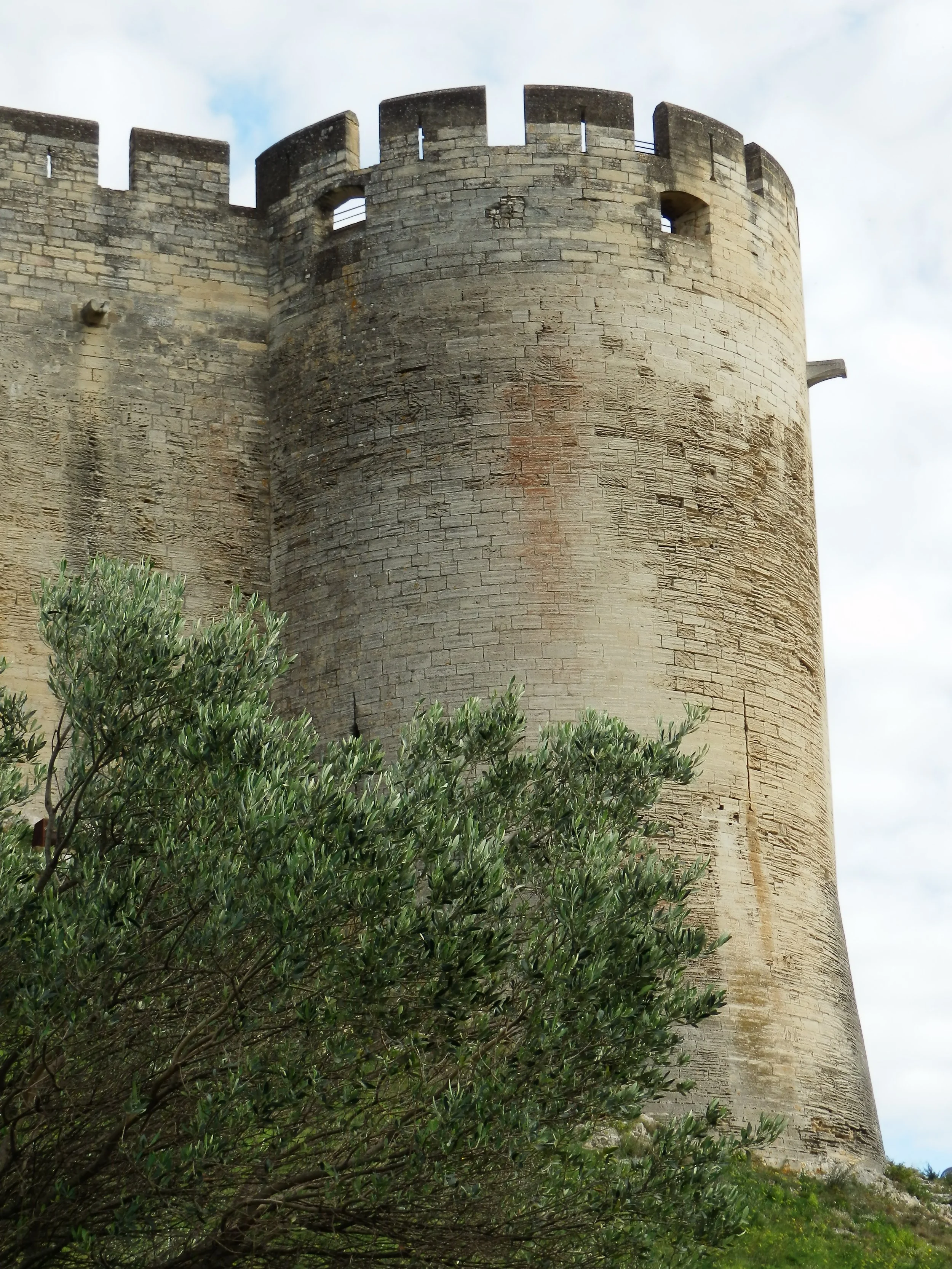
Olive groves, Fort Saint-André. © pitchhawk, 2026. All rights reserved.
Its butter colour walls and ramparts command an uninterrupted view of Mont Ventoux, the Ampilles, and across the river to the Palais des Papes which we covered in Part 7.
For centuries, this was the Guardian of the Kingdom, watching, warning, and if necessary, striking first.
Unlike the Palais des Papes, which governed from the centre, Saint-André observed from the periphery. Its primary purpose was to project the power of the French crown, and to ensure the security of the Rhône’s western approaches.
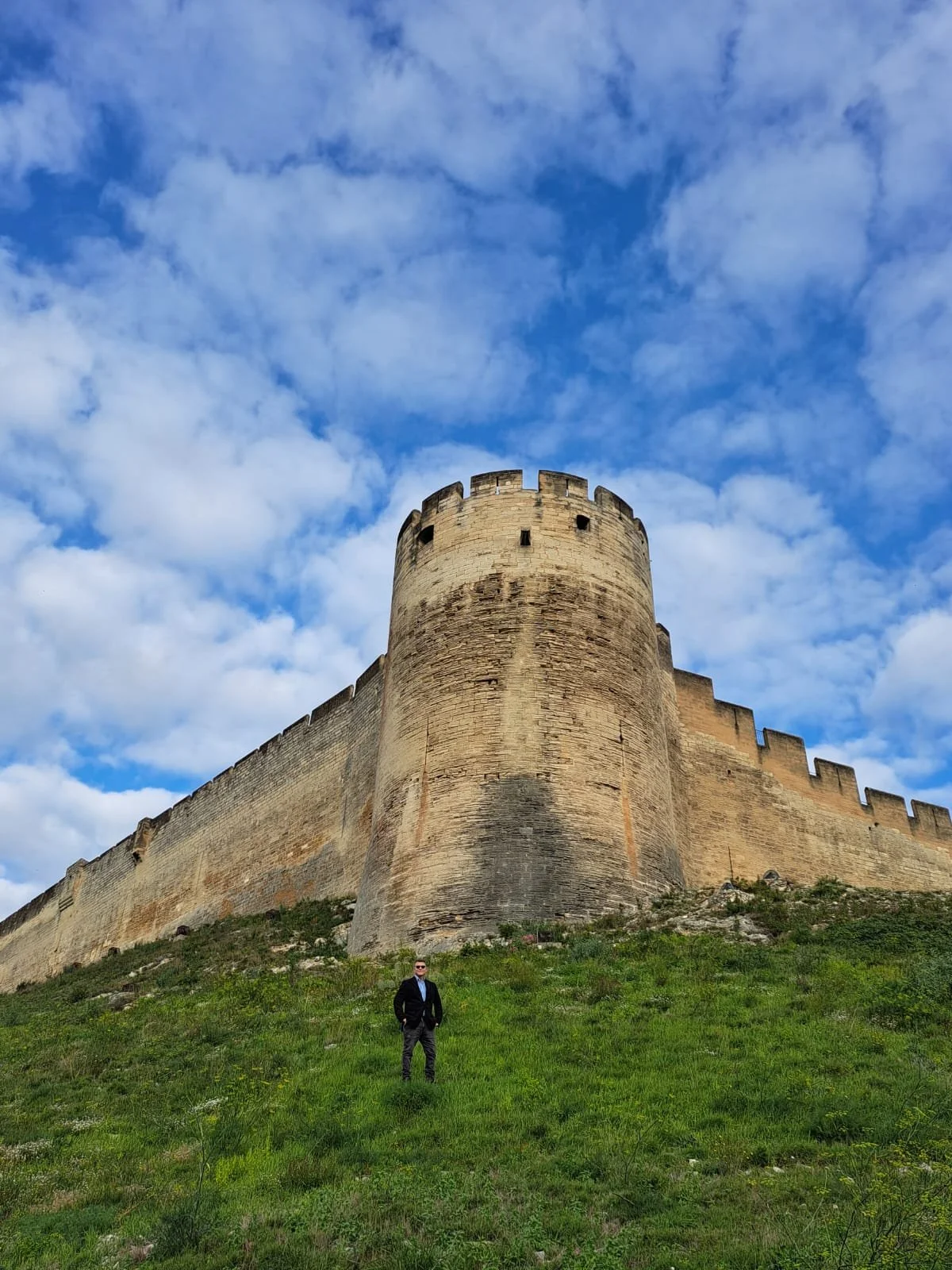
In full armour? Good luck. © pitchhawk, 2026. All rights reserved.
Today, this mighty Fort offers a powerful lesson for founders: sometimes the most valuable fortress is the one that sees all, anticipates risk, and can act before a threat arrives.
From lookout to counter-fortress: 10th–12th centuries
The site of Saint-André was first used in the 10th century as a modest lookout, overseeing the Rhône, and the Abbey of Saint-André-de-Ramières.
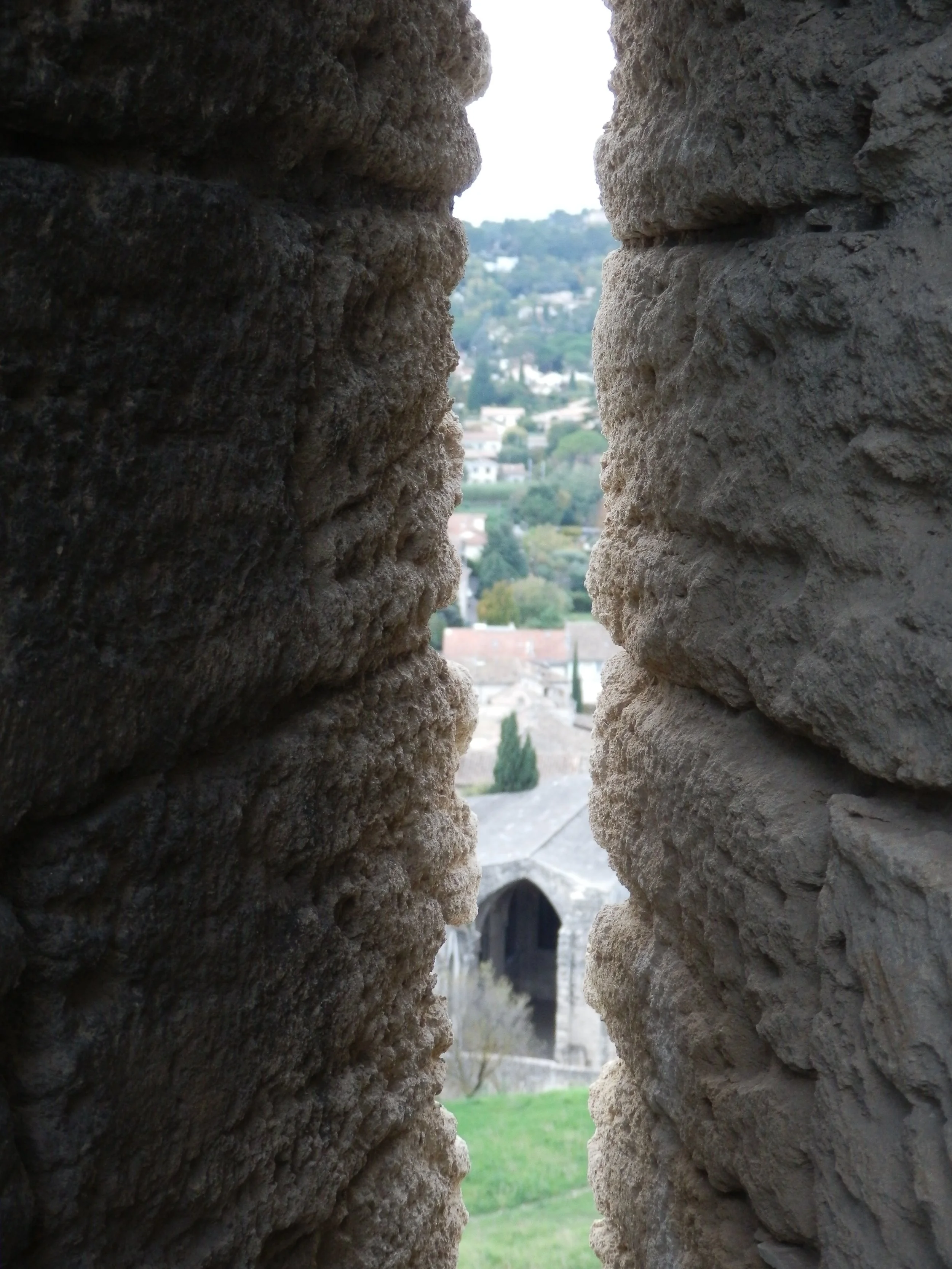
Up close and personal. © pitchhawk, 2026. All rights reserved.
As Avignon developed on the east bank in the 12th century, the Rhône became a border of influence.
The two banks—Avignon under the Papacy, Villeneuve under local lords and eventually the French crown—stood in opposition, separated by both river and politics.
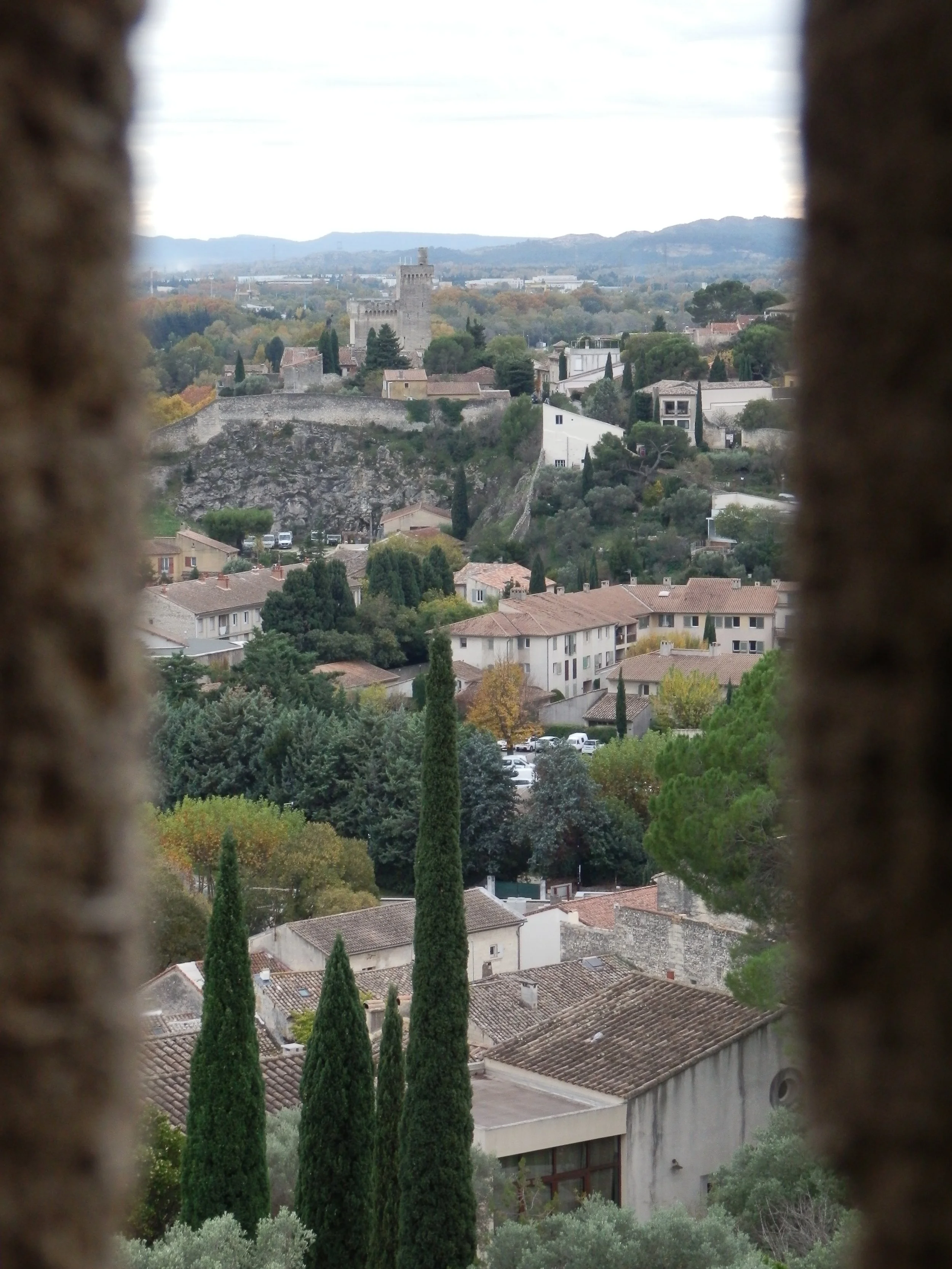
View of Tour Philippe-le-Bel in background. Controlled access to the Pont d’Avignon. © pitchhawk, 2026. All rights reserved.
It also towers over the Chartreuse du Val de Benediction; a Carthusian monastery built later in the 14th century.
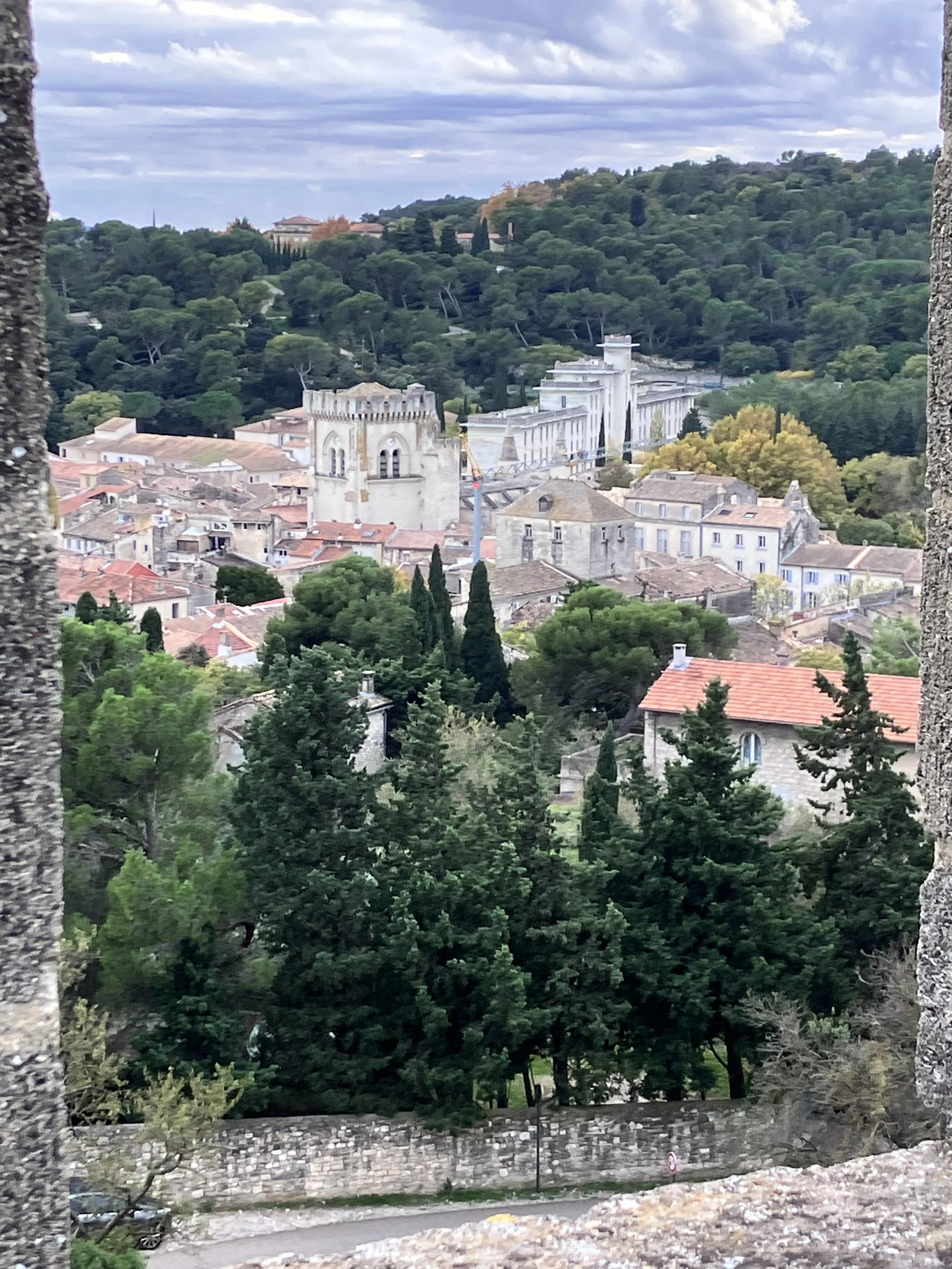
Chartreuse du Val de Benediction, Villeneuve les Avignon. © pitchhawk. All rights reserved.
Even in these early centuries, the site’s purpose was clear: vantage and vigilance over strategic territory, ensuring those who held it could see far and react quickly.
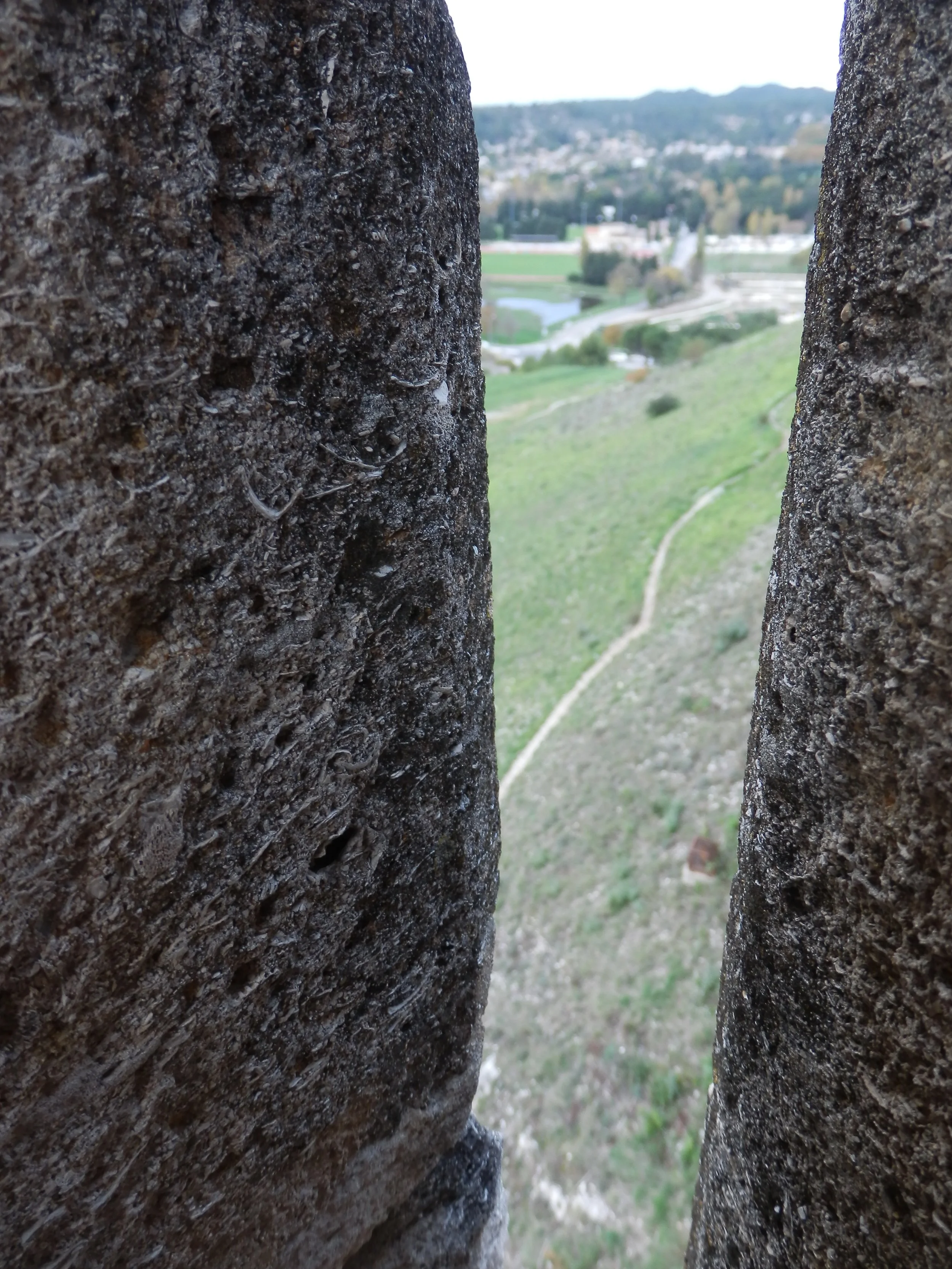
Long range predictability. © pitchhawk, 2026. All rights reserved.
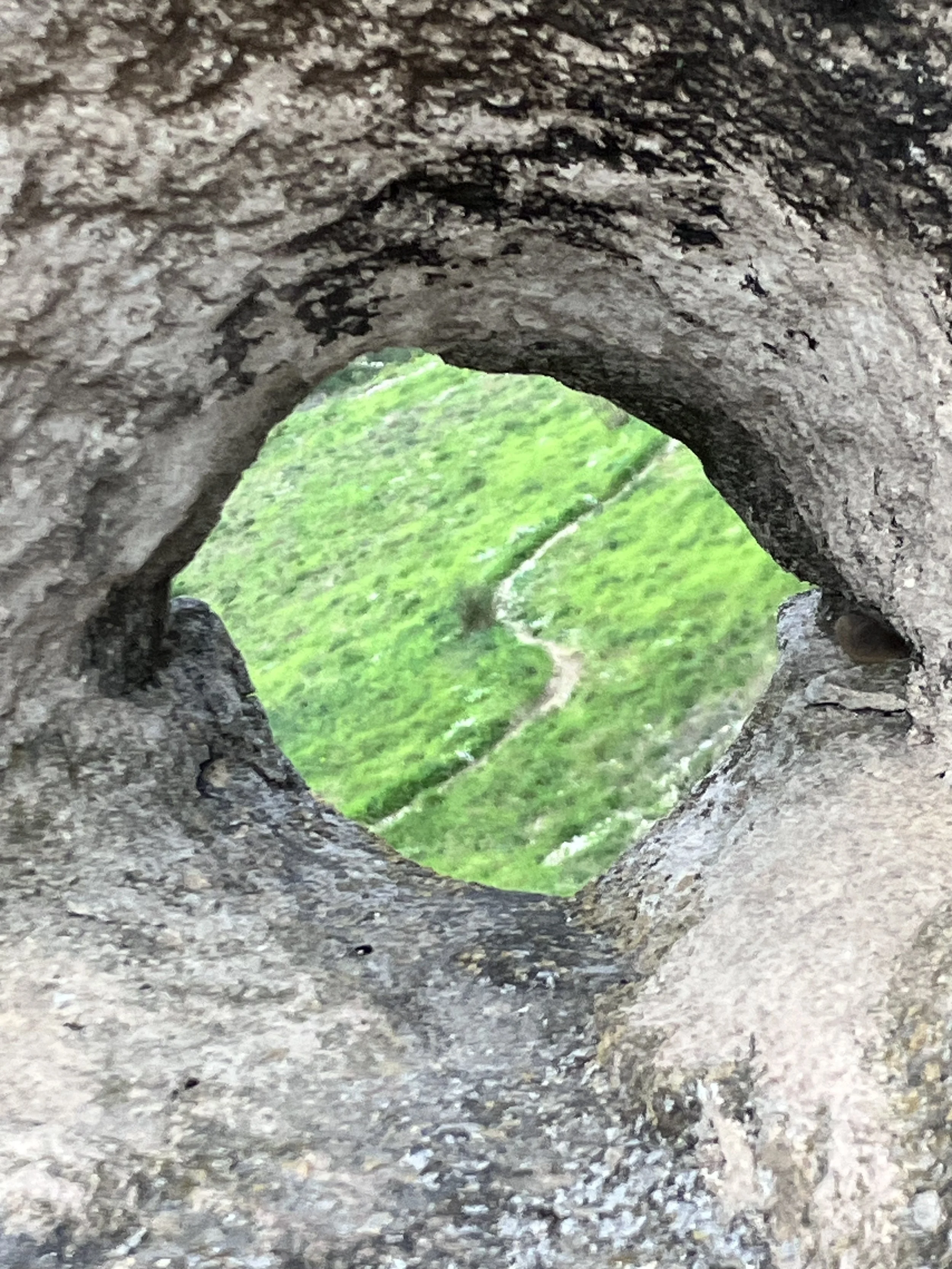
Visibility. © pitchhawk, 2026. All rights reserved.
Founder insight: Invest early in monitoring and situational awareness. Observing the landscape allows you to shape outcomes before threats reach your doorstep.
Expansion under the kings of France: 13th–14th centuries
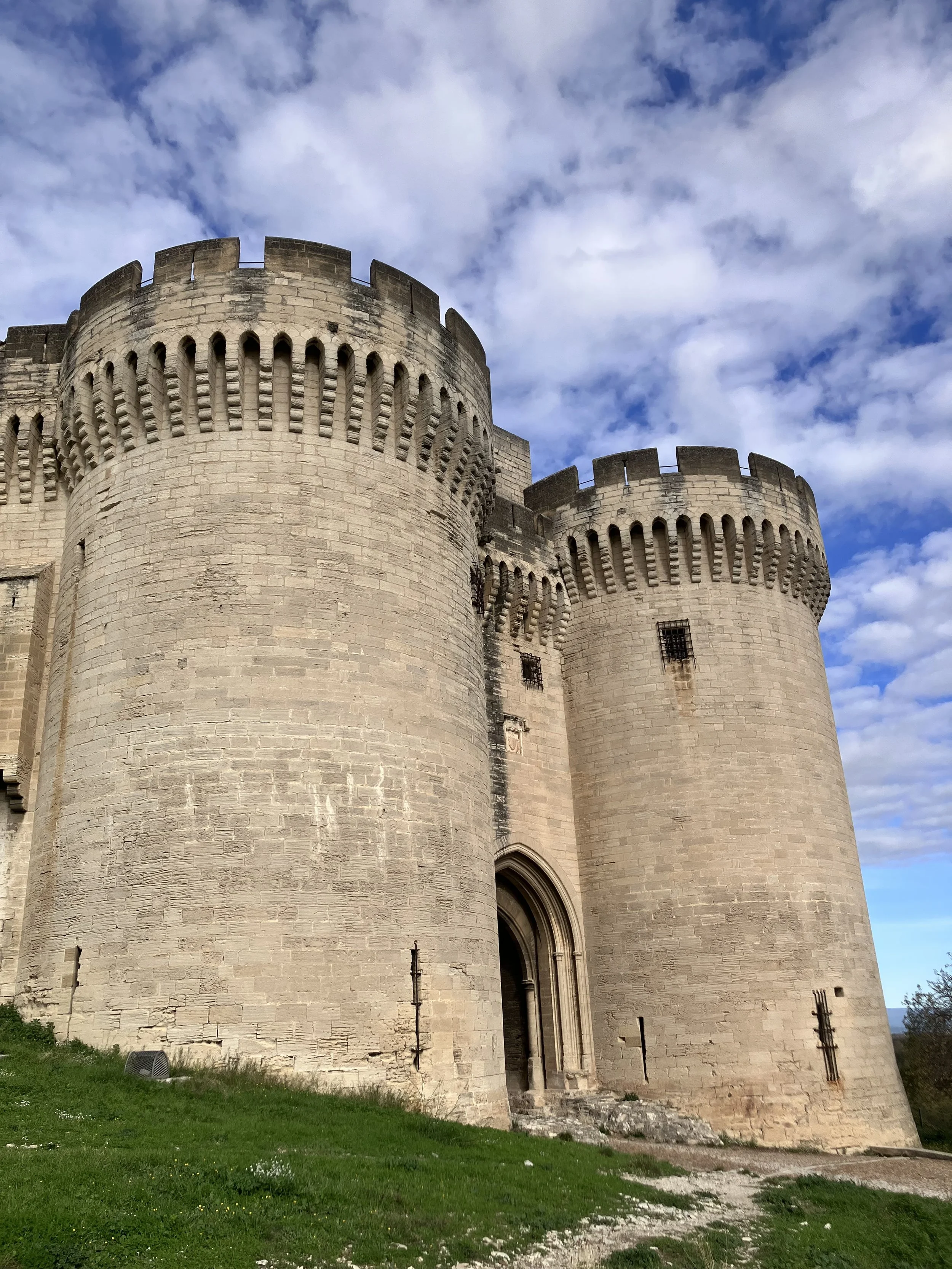
Twin Tower entry with portcullis. © pitchhawk, 2026. All rights reserved.
The French crown recognised the strategic value of this high ground.
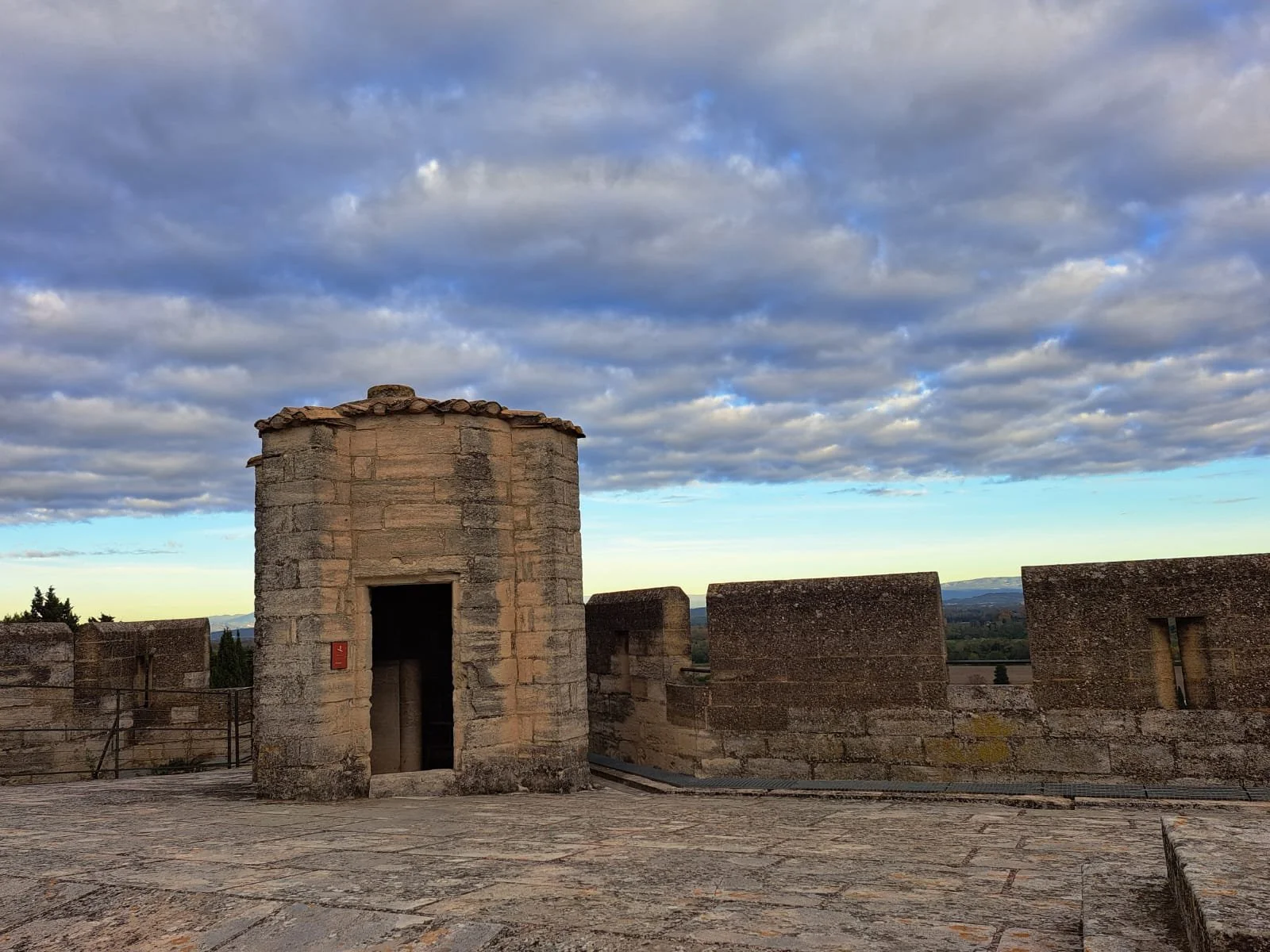
Above the Portcullis you can see to the horizon. © pitchhawk, 2026. All rights reserved.
Between 1350 and 1364, under Philippe IV and Jean le Bon, the fort was expanded into the formidable Royal Châteaux / Twin Towers / Fort Saint-André.
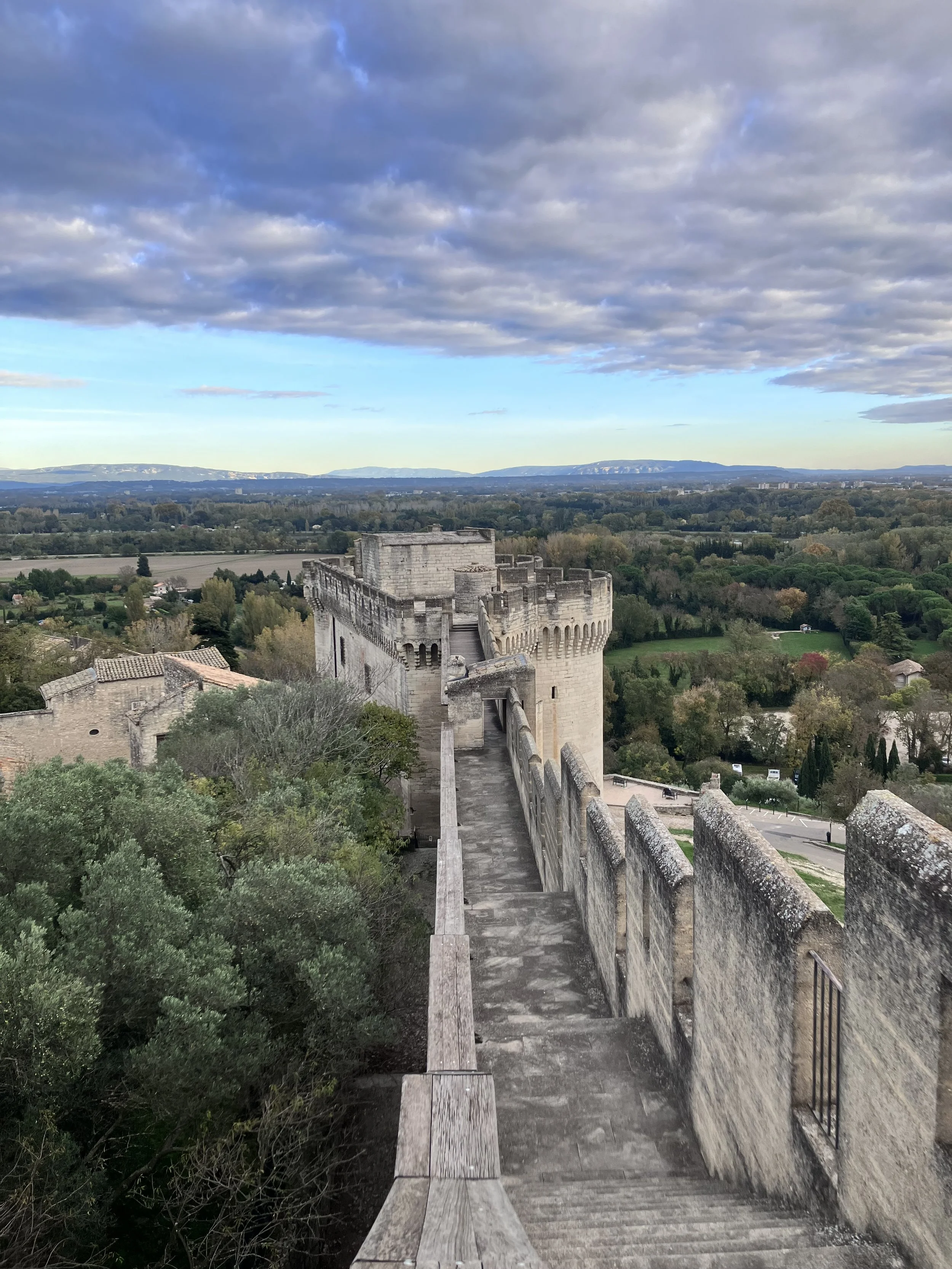
Walking the reinforced ramparts to the curtained wall twin towers that oversee the Abbey and the Palais des Papes. © pitchhawk, 2026. All rights reserved.
Curtain walls, towers, and clear lines of sight to the Palais des Papes turned the site into a counter-fortress, a visible assertion of French authority across the Rhône.
During the turbulence of the Hundred Years’ War, Saint-André served as both watchtower and deterrent.
A trebuchet and cannon on the rear side of the fortress meant it could strike first if necessary, making it more than a passive observer.
Its position allowed the French crown to monitor, deter, and if required, act decisively against threats from the Papal city.
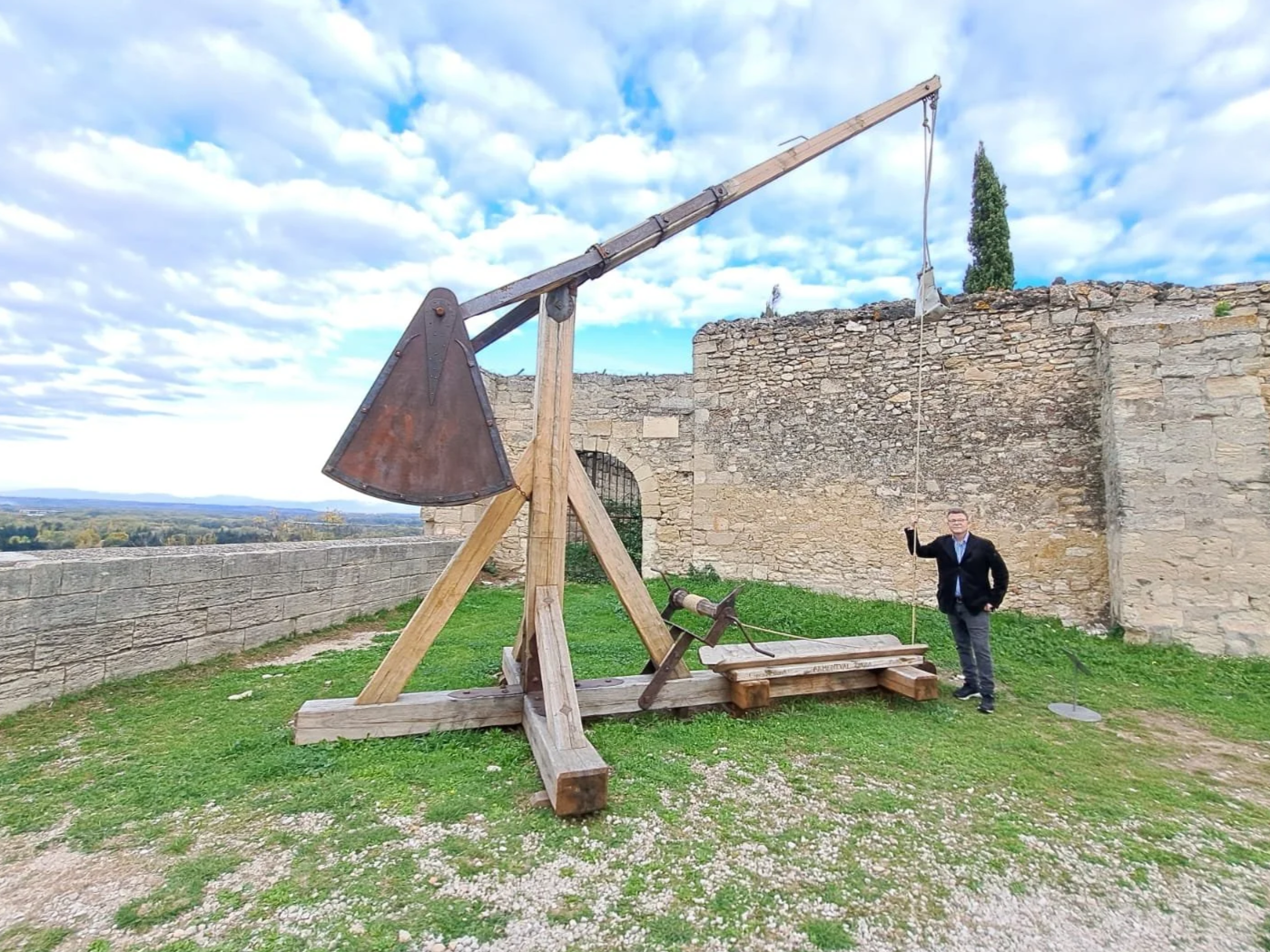
Offensive capability. © pitchhawk, 2026. All rights reserved.
Founder insight: Strategic positioning is critical. A well-placed monitoring system protects the core business and gives you the option to act pre-emptively.
A counter-fortress in action
Fort Saint-André’s design reflects its dual role:
Observation. Uninterrupted views across the Rhône, Mont Ventoux, and the Ampilles.
Deterrence. Its very presence projected French power. Rivals knew they were watched.
Proactive defence. Trebuchet and cannon allowed first strikes, not just passive surveillance.
Symbolic authority. The fortress marked the crown’s presence on the western bank and reinforced control over the border region.
Modern analogy: Think CrowdStrike in a digital context. The platform monitors threats, detects anomalies, and protects the core system in real-time. It doesn’t produce the core product; it watches, warns, and acts, just like Saint-André did for Avignon, and Pfalz did for Gutenfels, on the Middle Rhine.
Founder insight: Your monitoring system must be able to alert, deter, and, if necessary, intervene—intelligence is only valuable if it can influence outcomes.
Decline and historical closure: 15th century

Can see for miles. © pitchhawk, 2026. All rights reserved.
The fort’s strategic role diminished after 1481, when Provence became part of France and the Rhône no longer divided rival territories. Saint-André lost its border function but retained symbolic and administrative value.
Today, the fortress remains a heritage site, a reminder of vigilance, foresight, and the interplay between centralised authority and peripheral oversight.
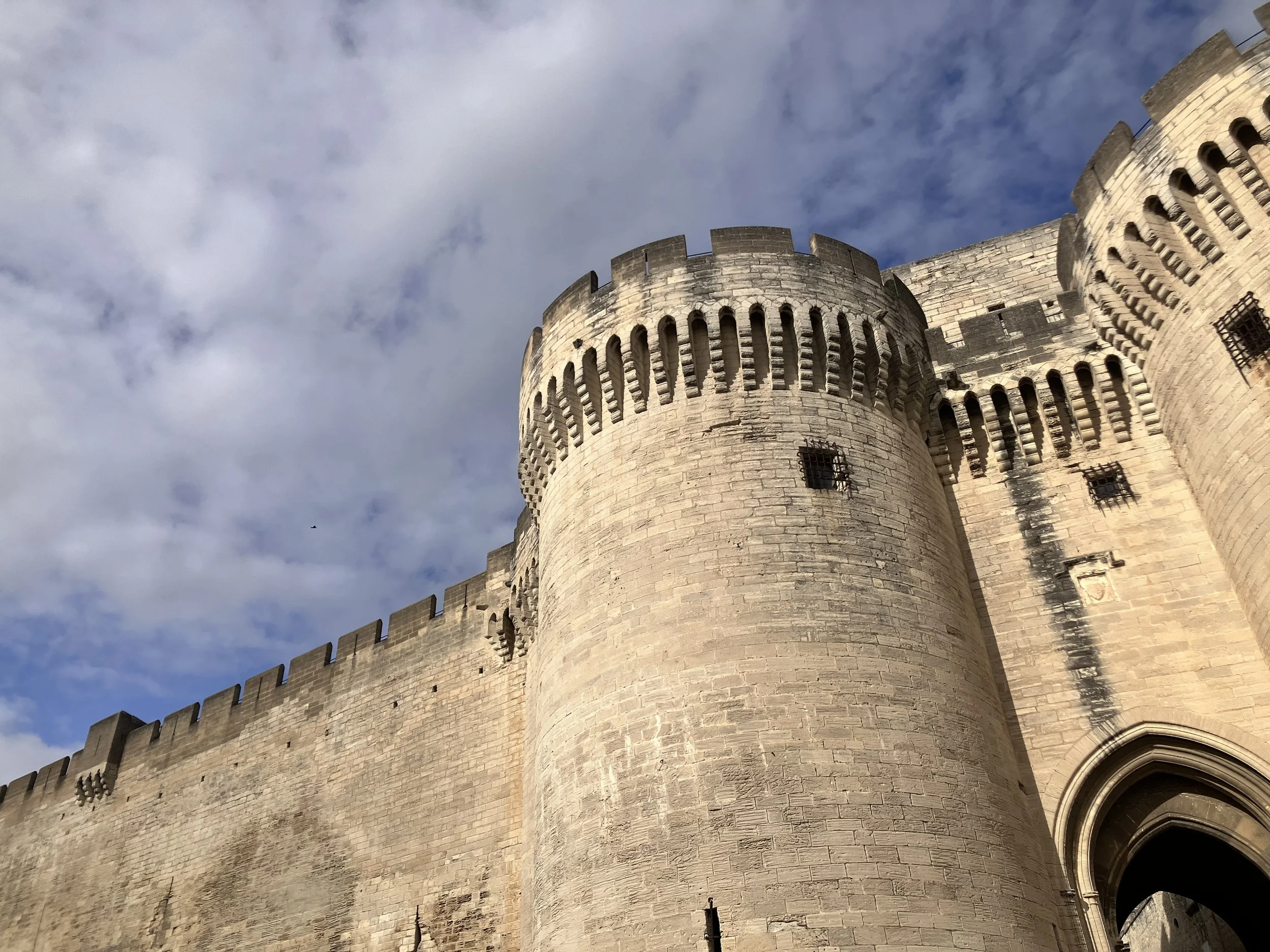
Enduring. © pitchhawk, 2026. All rights reserved.
Founder insight: Even when circumstances change, the principles of monitoring, early warning, and proactive defence remain timeless.
Founder lessons
Vantage matters: Position yourself to see potential threats and opportunities before they arrive.
Deterrence through visibility: A capable monitoring system influences behaviour even without acting.
Early-warning systems: Observing market signals, operational anomalies, or competitor moves enables proactive decisions.
Proactive response: Systems should not only detect but have mechanisms to respond decisively.
Complementary strategy: Central authority (Palais des Papes) and peripheral oversight (Fort Saint-André) together maintain resilience and control.
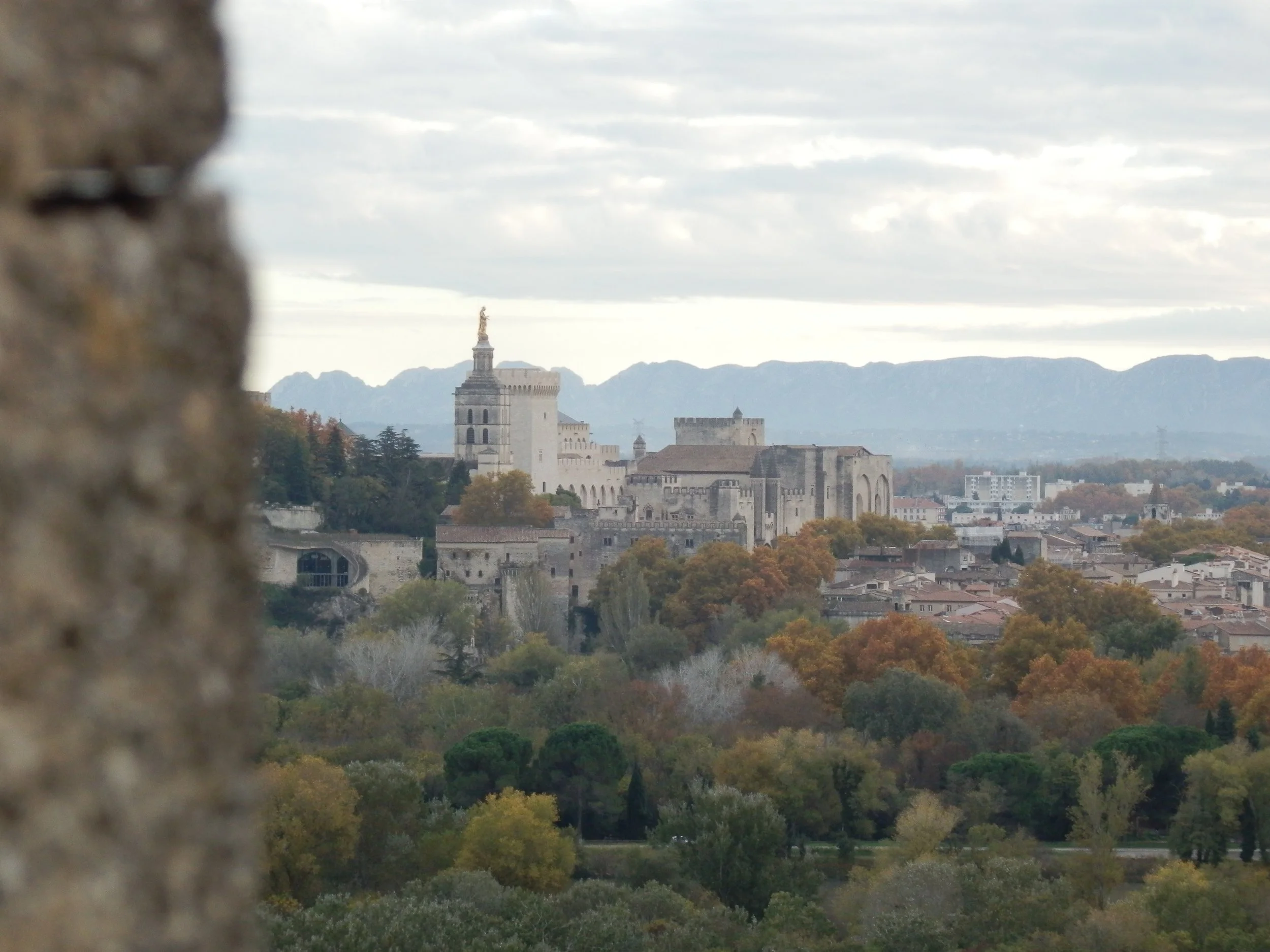
Purpose: early warning guardian for the Palais des Papes, Avignon. © pitchhawk, 2026. All rights reserved.
Fort Saint-André teaches us that the strongest fortress is not always the one that commands directly, but the one that watches, warns, and acts to protect what matters most.
And that’s why CrowdStrike comes to mind.
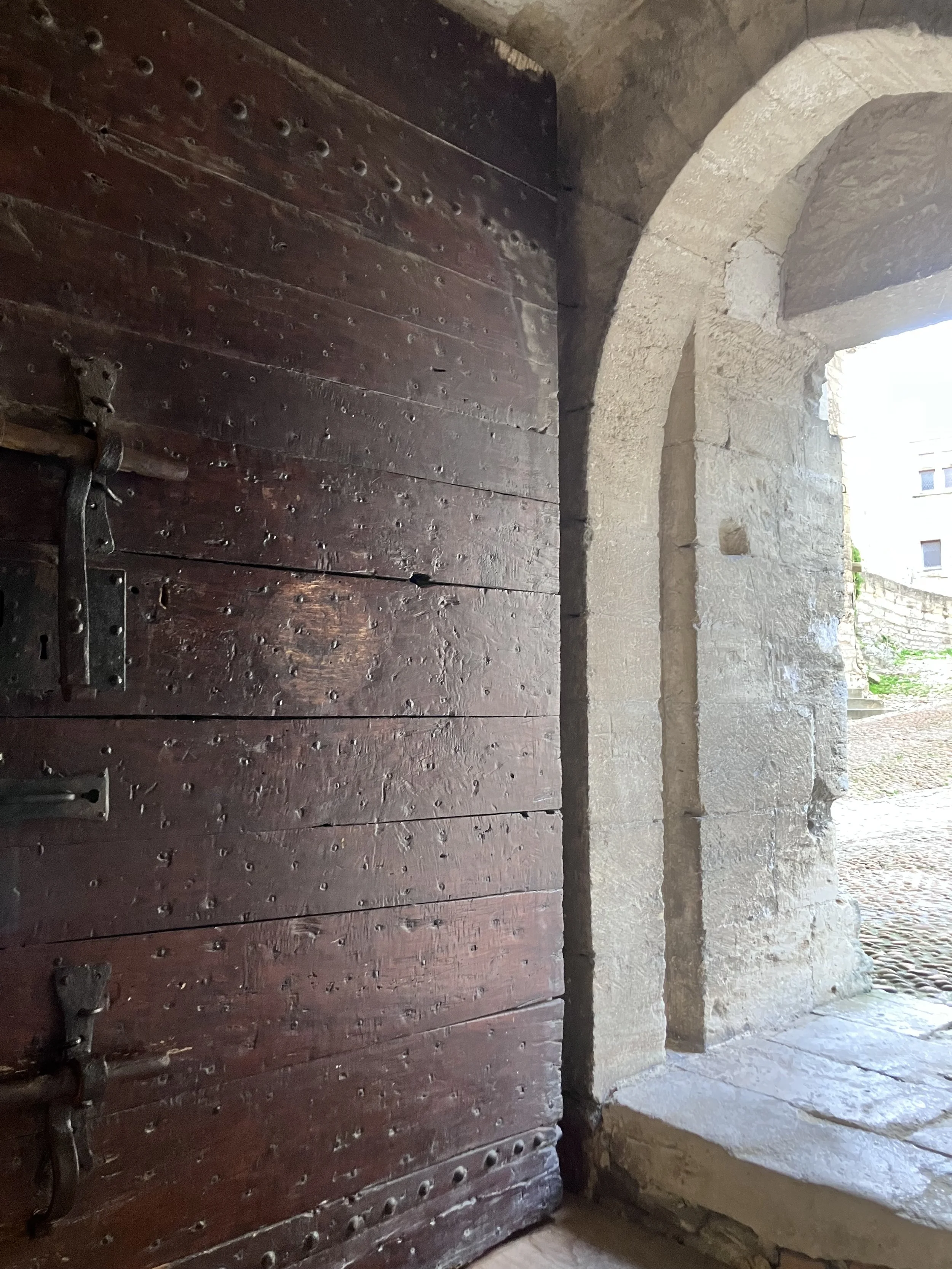
Anyone home? © pitchhawk, 2026. All rights reserved.
A tease for next week
While the Fort occupied high ground, there’s an even higher fortress in Provence’s Luberon Valley.
It was built by French Lords to control the hilltop and surrounding agricultural territory.
And that’s where we’ll visit in Part 9, next week.
🖐 In the meantime, bonne chance!
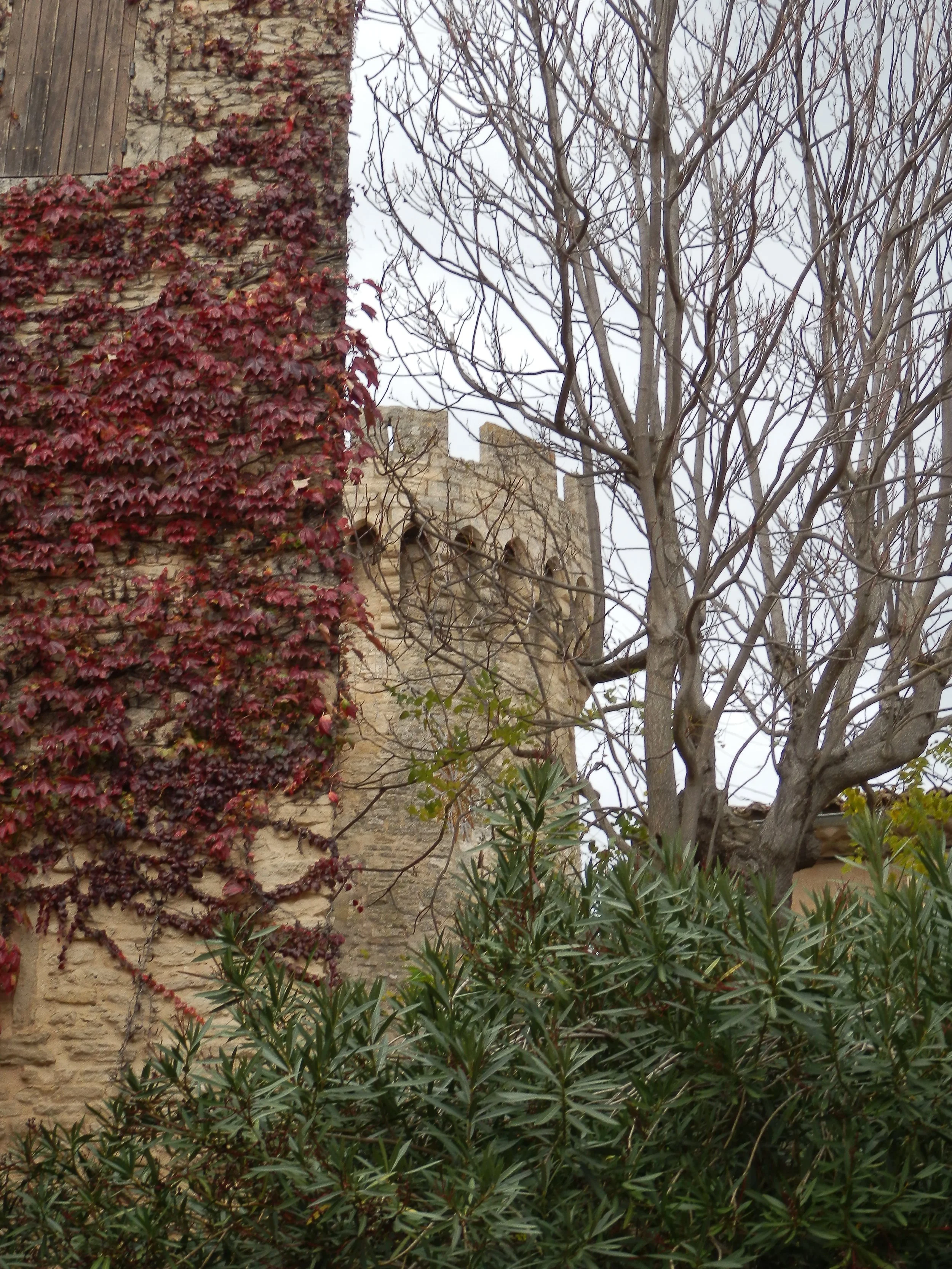
© pitchhawk, 2026. All rights reserved.