
Lessons from the great fortresses of Europe—Part 7—Palais des Papes, Avignon a masterclass in command, control, and legitimacy

Evening on the Rhône, Arles to Avignon, France. Copyright, pitchhawk, 2025. All rights reserved.
A papal palace guards the southern Rhône
In the evening, the sun sets on the southern Rhône in an unmistakable display of lavender, violet and tangerine.
Sailing south from Arles, it’s not long before you reach Avignon. A city suspended in time, with its narrow streets winding between medieval walls, the hum of history lingering in every stone, and the air thick with the echoes of power.
Rising above it all, the Palais des Papes dominates the skyline. Yet it’s not perched on a cliff, nor does it rely on a river bend or steep escarpment for defence.
Nonetheless, its presence is unassailable because its authority radiates from within—a fortress not of height, but of legitimacy and command.
In its day, this was not merely a fortified palace. It was the fortified seat of centralised power, governance, and legitimacy. A place where the standing Vicar of Christ could project influence across Europe, without the need for armies at every gate.
For founders and innovators, its lessons are clear. Durable scale begins with command and control, not expansion or flashy features in a glossy deck.
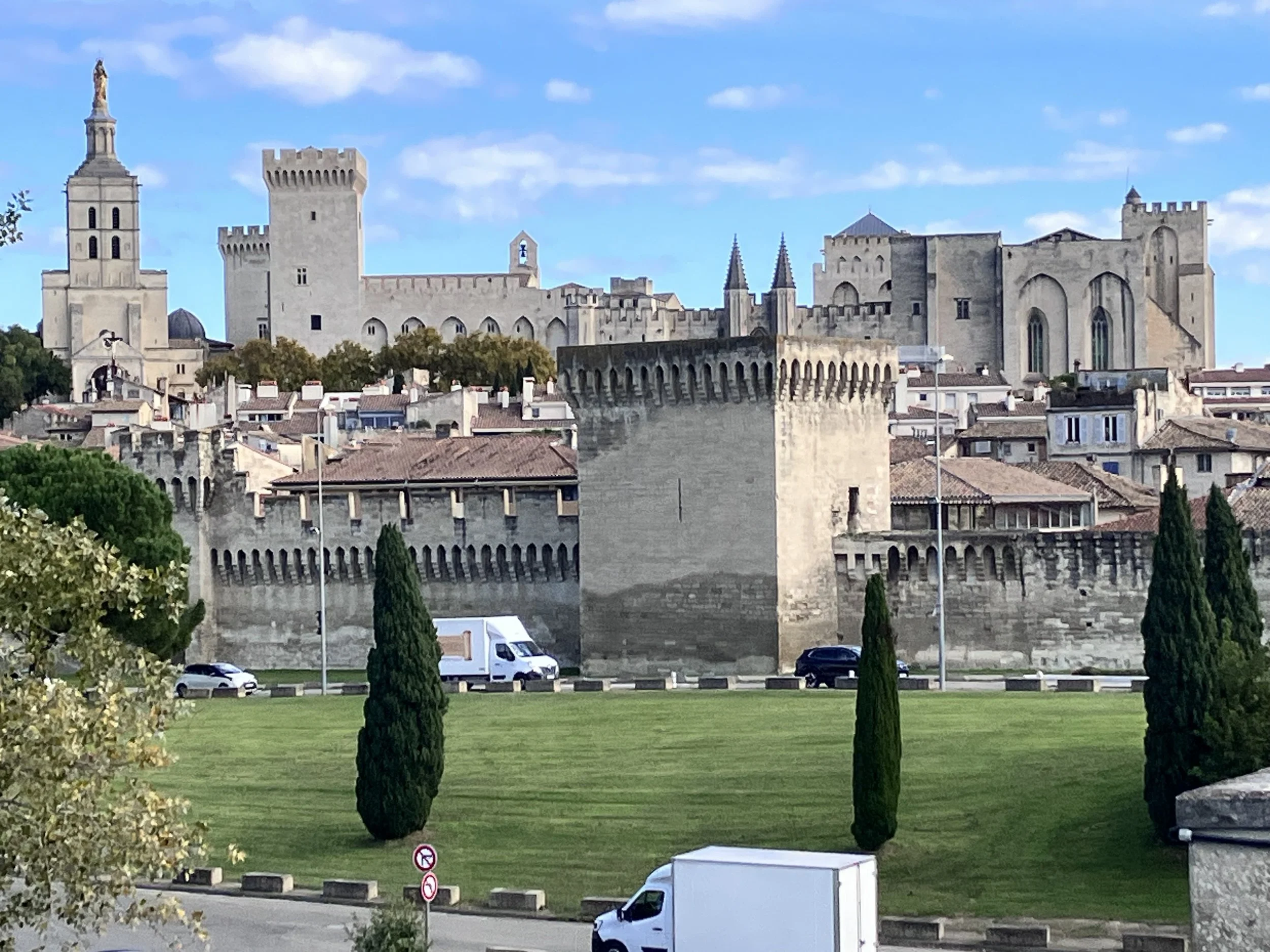
Palais des Papes, Avignon, France. Copyright, pitchhawk, 2025. All rights reserved.
Owning the ground before building the walls
The story begins with Joanna I, Countess of Provence and Queen of Naples. In 1348, she sold the city of Avignon to the papacy, transferring sovereignty, not just tenancy. This transaction was not merely a real estate move. It was the establishment of legitimacy and uncontested authority.
Ownership and authority first. Walls and fortifications second.
Construction of the Palais des Papes continued, spanning 1335 to 1364 under successive popes, including Benedict XII and Clement VI. By the time the palace was complete, it was a vast Gothic fortress blending ceremonial grandeur with administrative precision. Thick walls, imposing towers, chapels, private apartments, and administrative suites all served a single purpose of centralising governance and projecting legitimacy.
Unlike the castles along the Rhine, where height and terrain defined defence, the Palais des Papes relied on institutional strength. Its power was baked into its structure and its systems.
Founder insight: Before scaling, ensure you control the “terrain” of your business—ownership, authority, and legitimacy come before expansion.
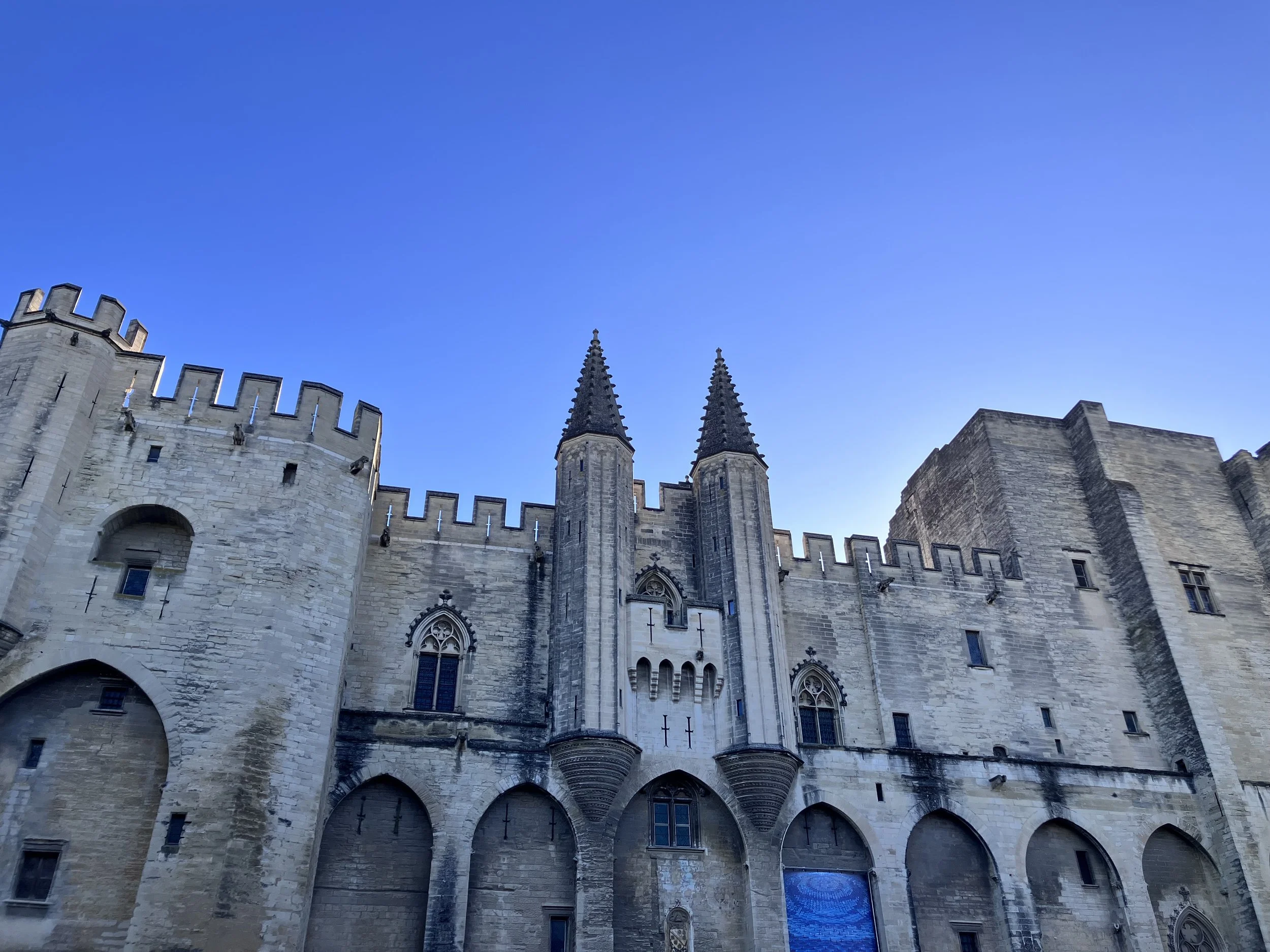
Fortified legitimacy Palais des Papes, Avignon, France. Copyright, pitchhawk, 2025. All rights reserved.
Mystique and power in exile
The Avignon Papacy itself was born of political necessity. The pope had been thrown out of Rome, swept aside by factional violence and political chaos.
Relocating to Avignon, often referred to as the “Babylonian Captivity of the Church,” provided the papacy a safer stage to rebuild authority from scratch.
This was more than architecture. It was a statement: power can survive displacement if authority is formalised and centralised.
Founder insight: Your business can weather disruption, market chaos, or competitive pressure—if its core governance, legitimacy, and operational command structure are unassailable.
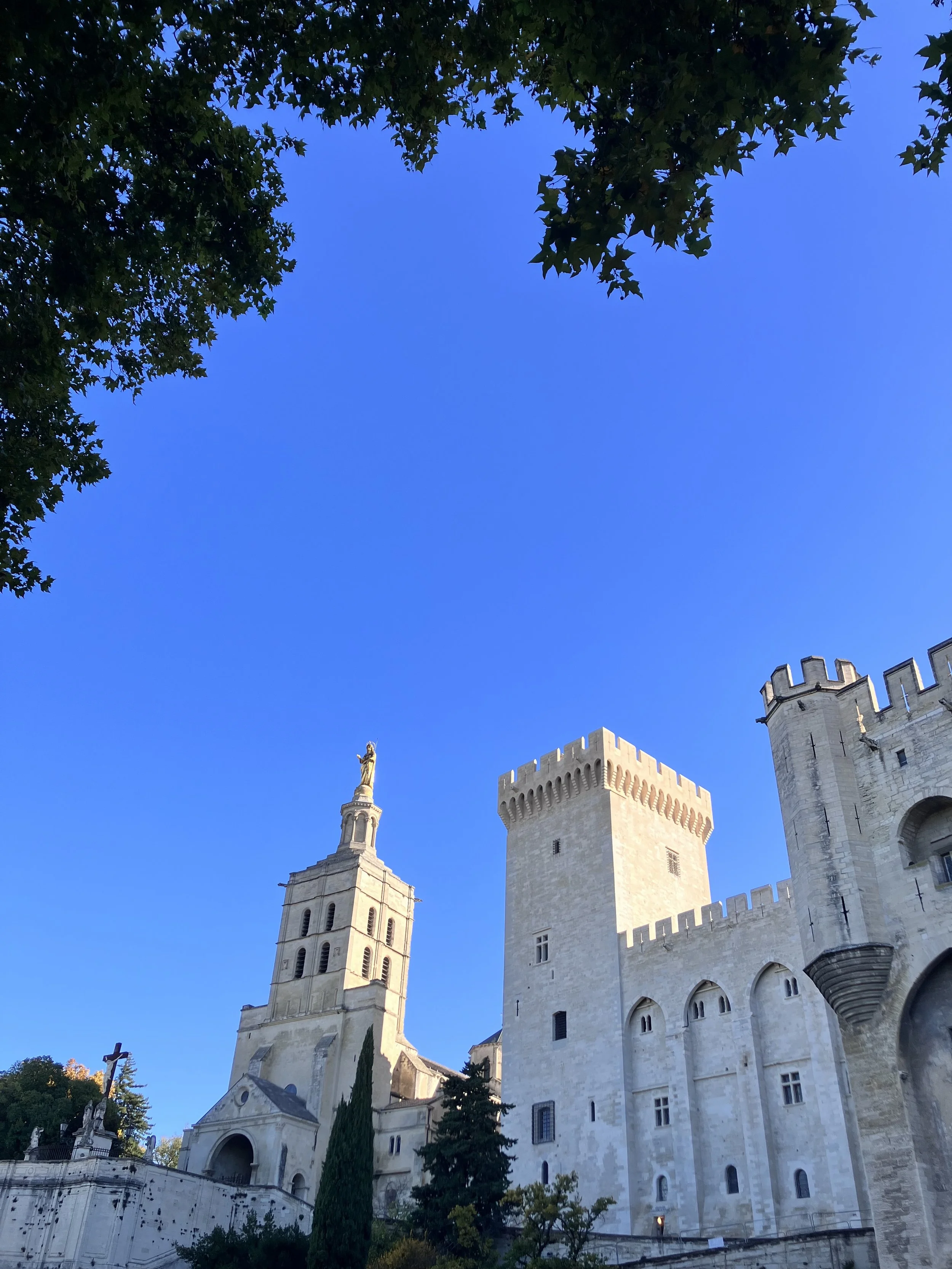
Church, state, religion, governance. Copyright, pitchhawk, 2025. All rights reserved.
The layers of command and control
The Palais des Papes was more than walls and towers. It was a multi-layered system of power, each layer reinforcing the other:
Administrative layer: Clerks, notaries, and papal advisors processed correspondence, taxes, and decrees. Every decision passed through the palace, ensuring consistency and authority.
Judicial layer: Papal courts settled disputes both secular and spiritual, reinforcing the perception of ultimate authority.
Ceremonial layer: Audiences, rituals, and public events projected legitimacy and influence to all who approached.
For modern businesses, think of these layers as operational processes, compliance structures, and cultural norms that enforce standards while enabling growth.
Founder insight: Layers of authority and process are your operational moat; they make your business durable and scalable.
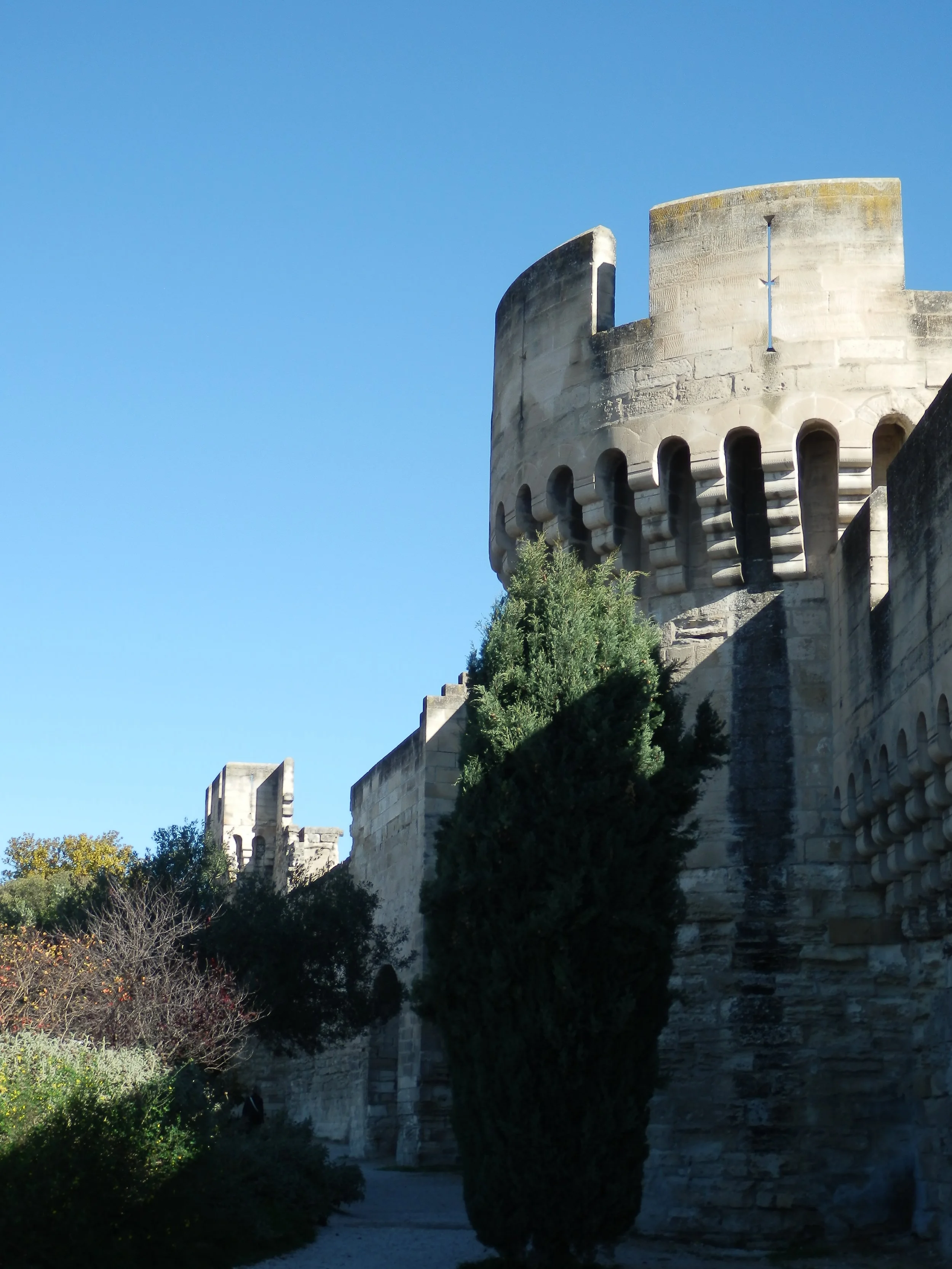
Fortified city walls, Palais des Papes, Avignon, France. Copyright, pitchhawk, 2025. All rights reserved.
Intelligence at the edges
While the palace itself sat on flat terrain, it was not blind to the world beyond its walls. Nearby fortifications acted as early warning outposts, ensuring the palace could respond before threats arrived.
Centralised command resided at the palace.
Verticality and surveillance were delegated to the edges.
Decisions were executed at the centre with precision, informed by intelligence from the periphery.
Founder takeaway: A business can centralise authority but still needs signals from the edges—customer feedback, operational metrics, market intelligence—to act decisively and scale confidently.
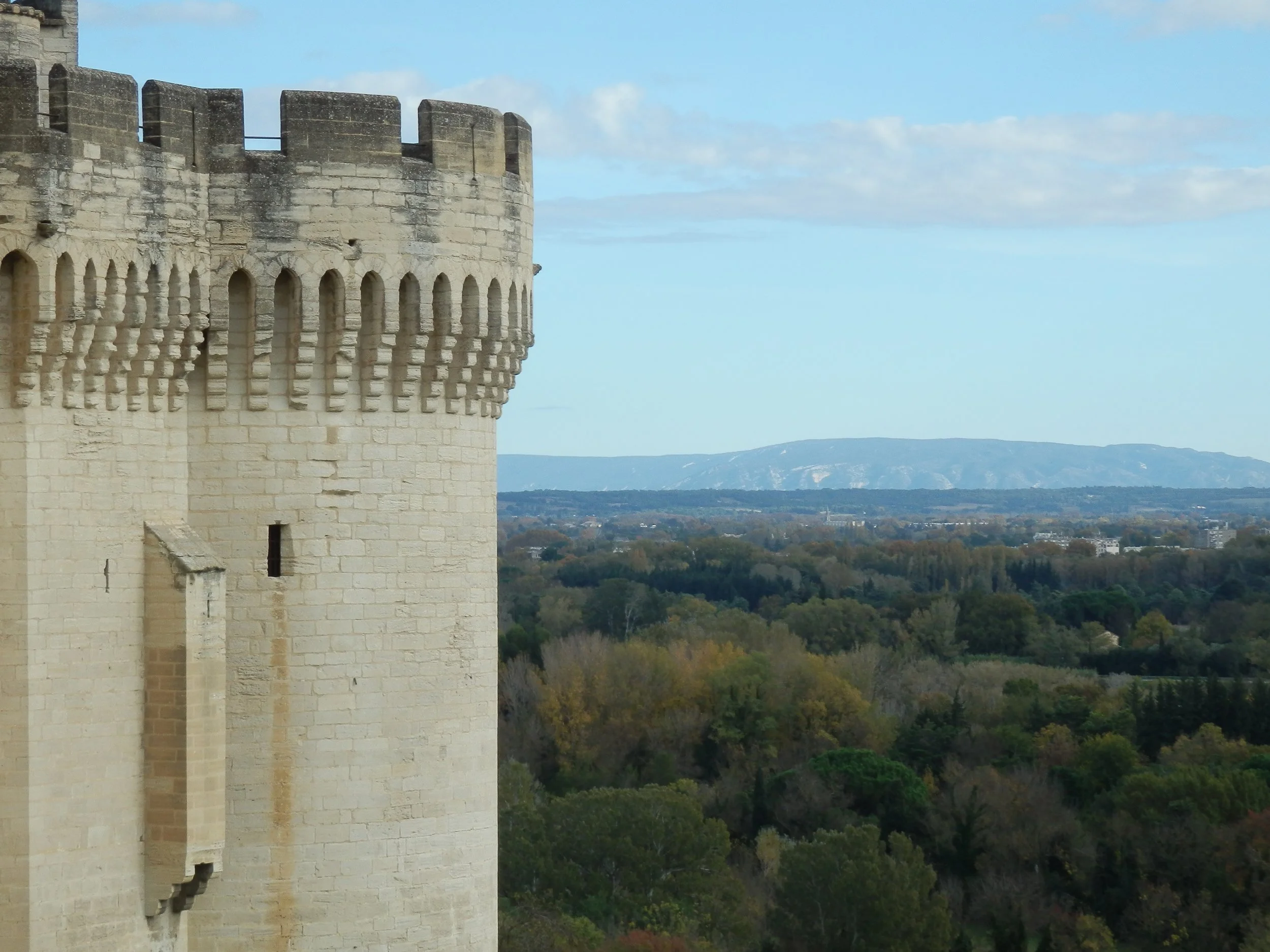
Early warning Fort Saint-André, Villeneuve-lez Avignon on the right bank of the Rhône, France. Copyright, pitchhawk, 2025. All rights reserved.
Legitimacy as the true moat
The Palais des Papes did not rely on walls alone to protect its influence. Authority itself was the defence:
Obedience preceded enforcement; rivals rarely challenged the palace openly.
The perception of legitimacy ensured that compliance flowed naturally.
Power radiated not from intimidation, but from acceptance and recognition.
Investors recognise this principle intuitively, which is that businesses with clear governance, operational authority, and market legitimacy are far more resilient and attractive than those built solely on features or capacity.
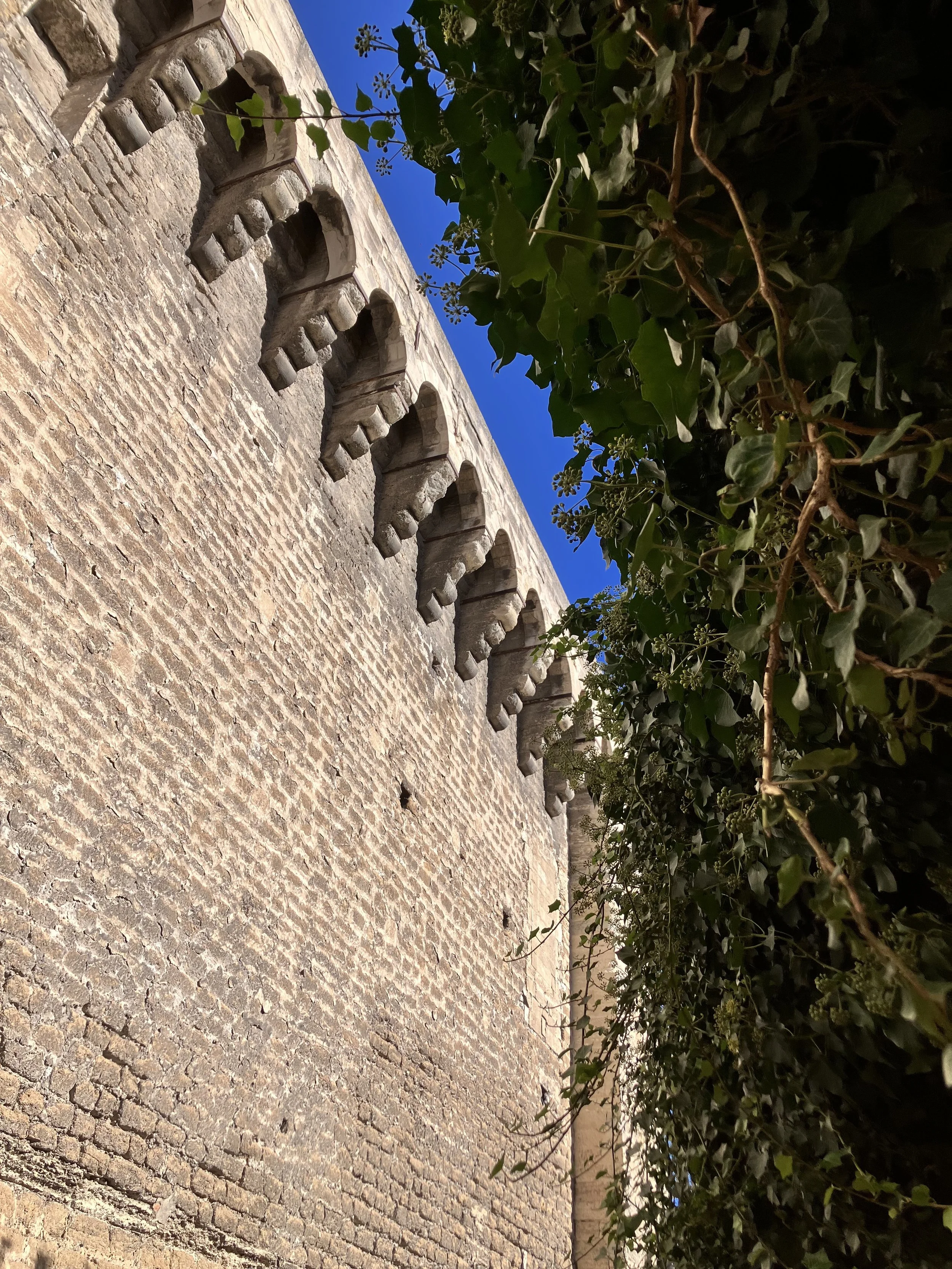
Disincentives. Palais des Papes, Avignon, France. Copyright, pitchhawk, 2025. All rights reserved.
Scalable influence without physical expansion
From the palace, influence extended far beyond the city walls:
Papal edicts, letters, and emissaries enabled control of distant territories without physical presence.
Command radiated outward; conquest was not required to expand authority.
Founder insight: You don’t need to own every market or geography to dominate. Build systems and legitimacy that scale influence efficiently.
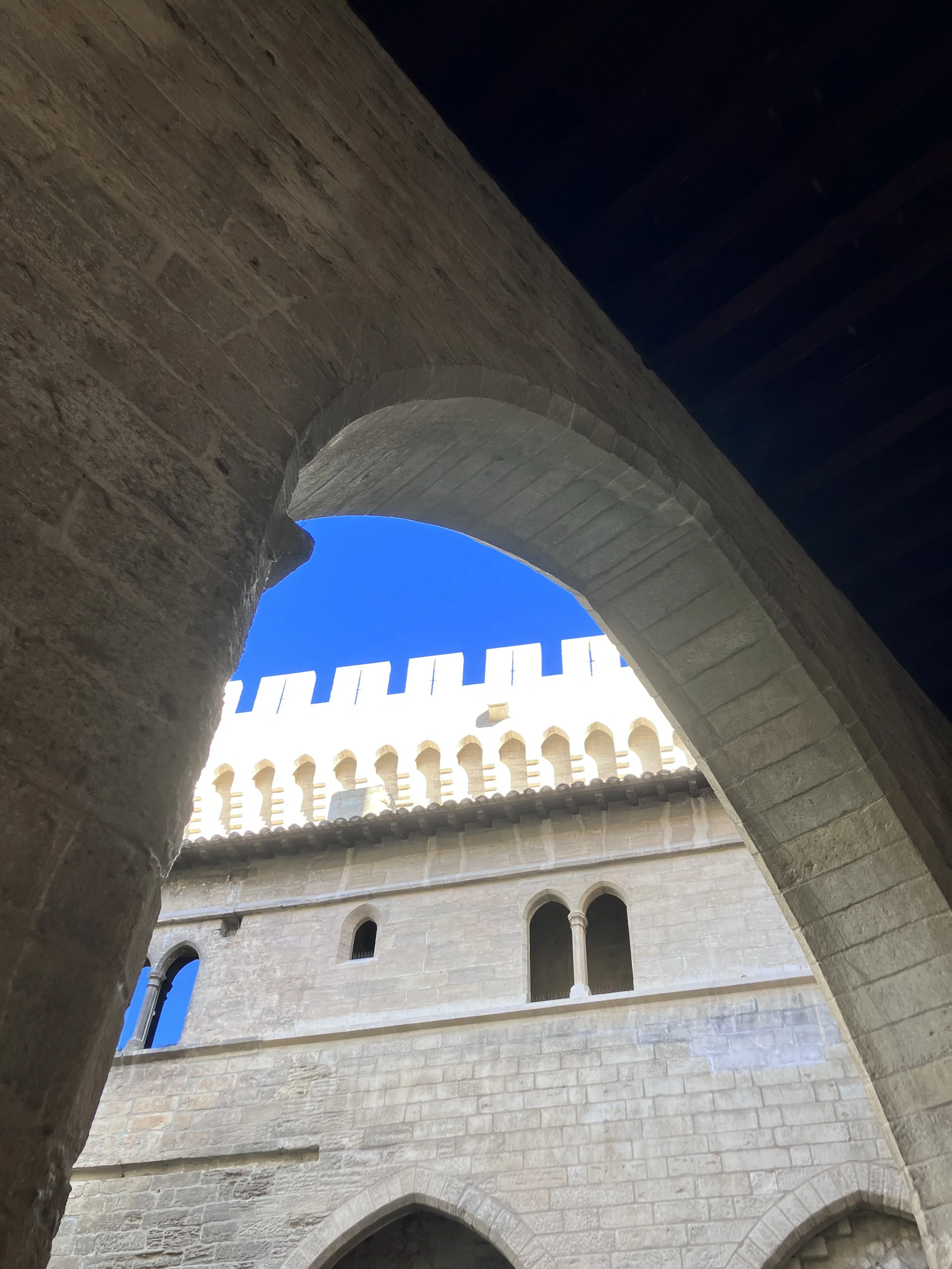
Durable infrastructure scales. Palais des Papes, Avignon, France. Copyright, pitchhawk, 2025. All rights reserved.
Redundancy and continuity
Even in times of threat, the palace’s command structure was resilient:
Advisors could step in if one node failed.
Clerks managed continuity of administration.
Ceremonial and administrative redundancy ensured operations continued uninterrupted.
Founder takeaway: Build resilient processes and backup structures so that your business can scale without being vulnerable to single points of failure.
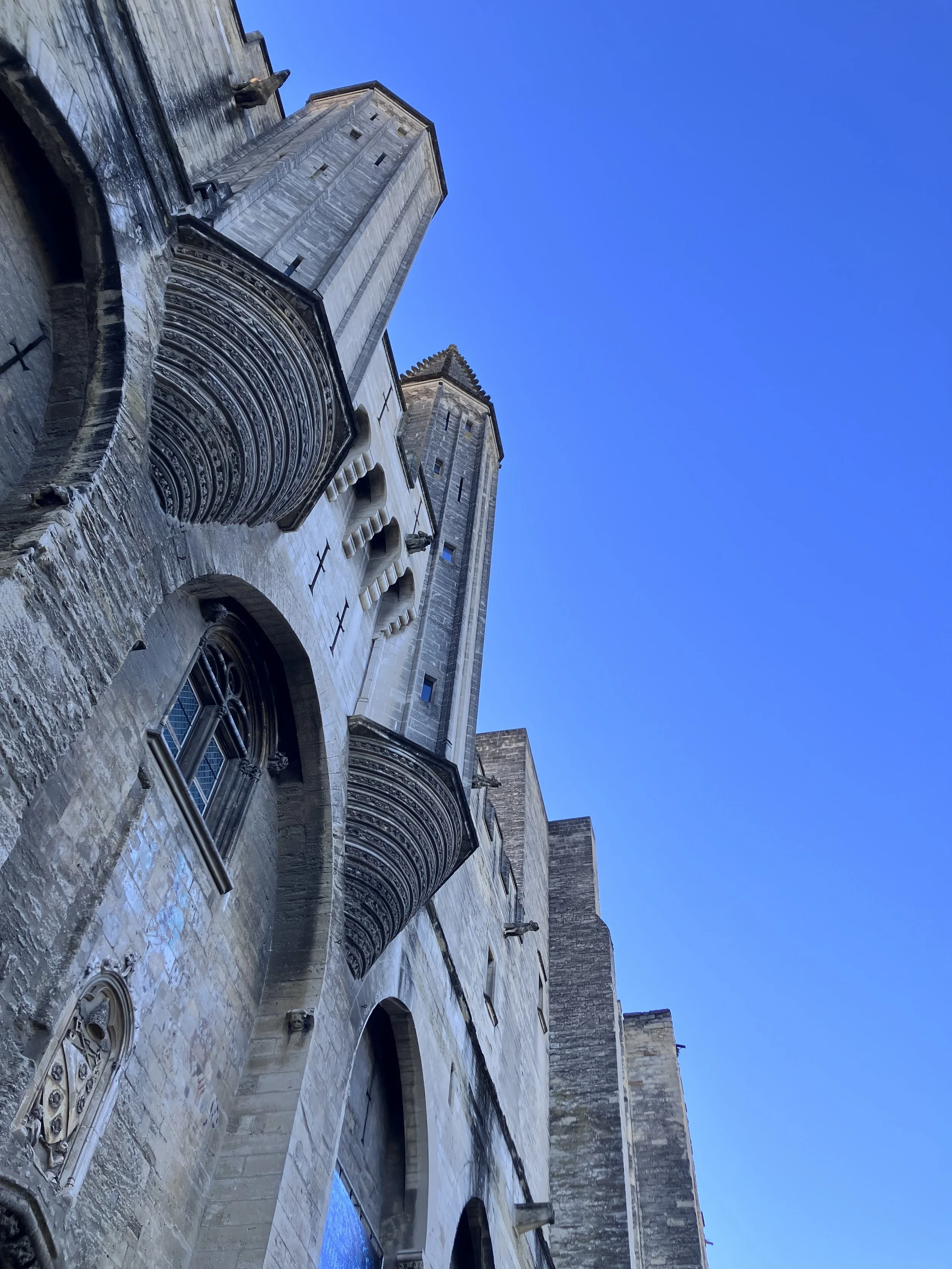
Resilience. Palais des Papes, Avignon, France. Copyright, pitchhawk, 2025. All rights reserved.
Command, control, and the palais’ unique strength
For now, the Palais des Papes reminds us that in some industries and markets, true fortress strength comes from command, control, and legitimacy, not stone or elevation like the Rhine sentinels we explored in Parts 1–6.
It is a fortress built for governance, influence, and operational authority. A structure designed to make decisions, enforce standards, and project legitimacy, not just defend territory.
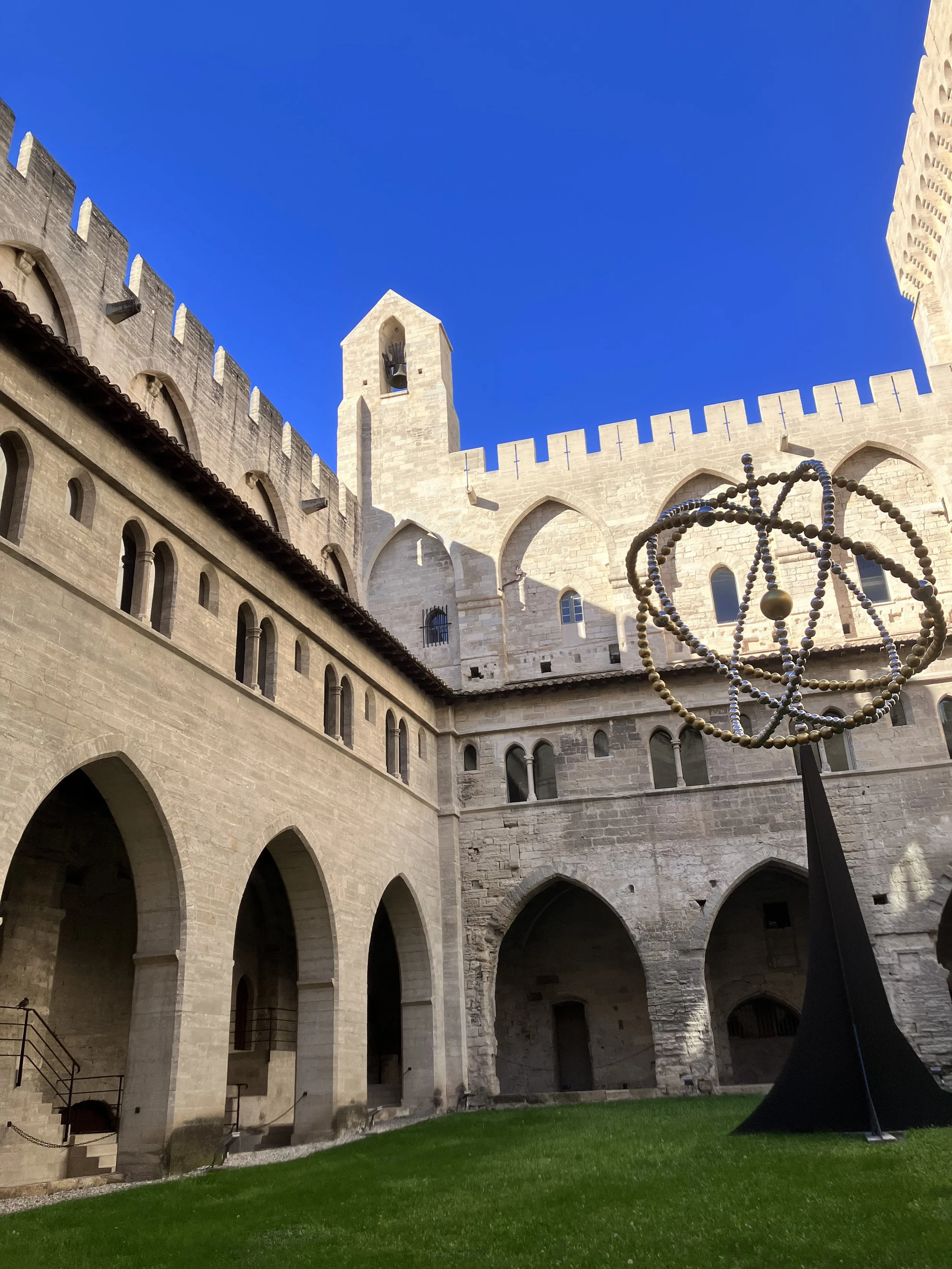
Proclamation to the Realm. Palais des Papes, Avignon, France. Copyright, pitchhawk, 2025. All rights reserved.
A tease for next week
While the palace relied on authority rather than height, it did benefit from external oversight.
Fort Saint-André, rising on a nearby hill, acted as an early-warning sentinel, monitoring approaching threats before they reached the palace.
Next week in Part 8, we’ll explore its lessons on surveillance, risk detection, and verticality.
🖐 In the meantime, bonne chance!
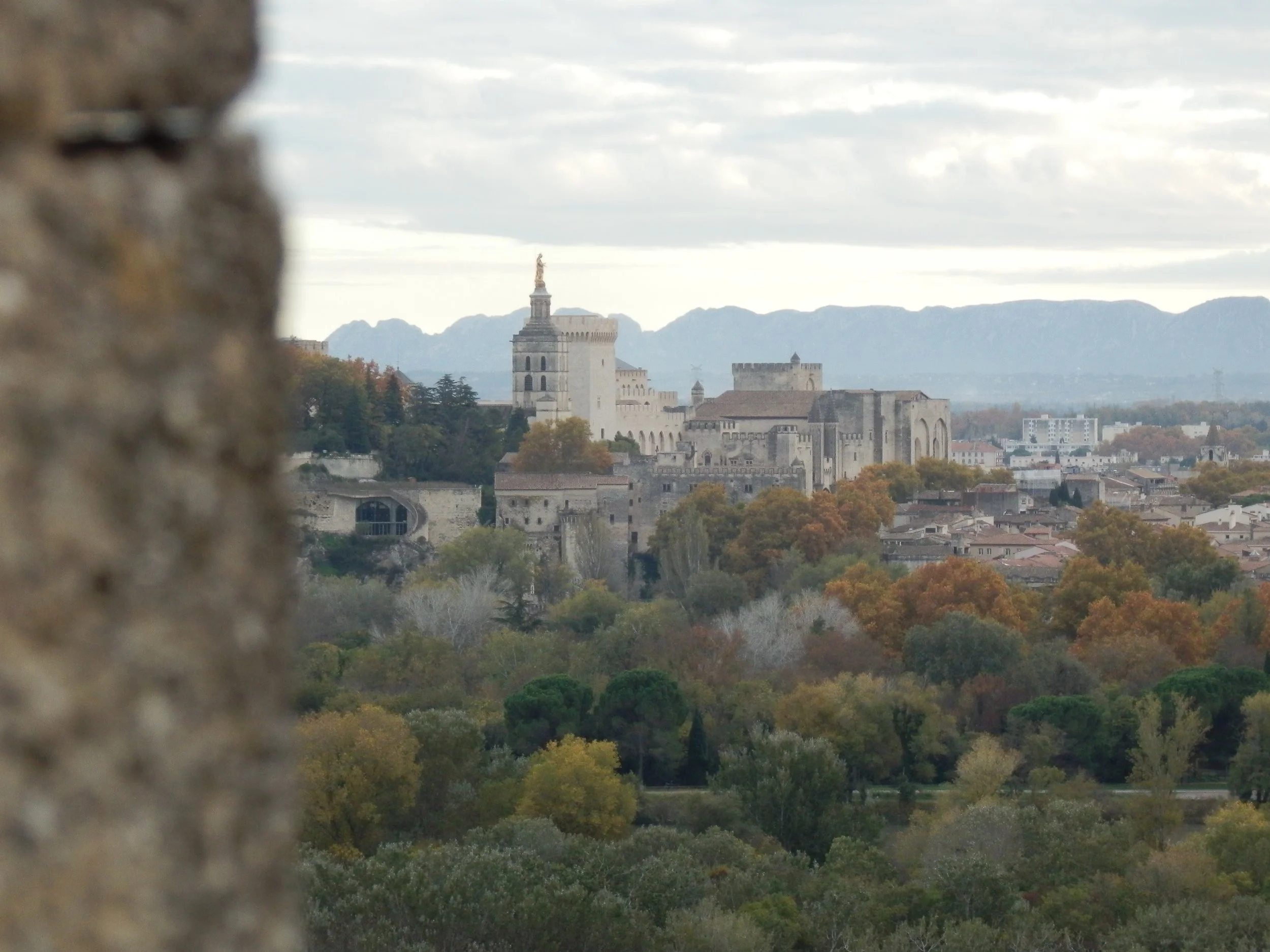
Zoom in from the right bank of the Rhône. Palais des Papes, Avignon, France. Copyright, pitchhawk, 2025. All rights reserved.